The Story
Why it exists.
The beginning
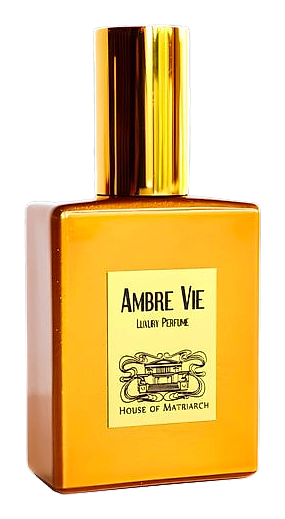
Christi Meshell built Ambre Vie on a provocation: what if amber didn't perform, it accumulated? The name itself carries weight. "Ambre Vie" translates to "Amber Life", a life measured in warmth, in resin, in something that doesn't announce itself but refuses to leave. Meshell designed this from her Seattle studio with over a hundred natural ingredients, a composition that treats time as a feature, not a limitation. The 2012 launch was deliberate, arriving in a niche market that loved amber but expected it to behave.
The reverse dry-down is the structural gamble. Most fragrances peak in the first hour and spend the rest fading. Ambre Vie starts modest and builds, pulling from that over-a-hundred natural ingredients list, each one calibrated to arrive at its own pace. Davana opens with its strange, bitter-green clarity. Frankincense waits its turn. Ambergris and tobacco arrive late, then stay. It's a composition that rewards the wearer who puts in time with the bottle, not just the first spray.
The evolution
The opening is almost deferential. Davana and mimosa petals arrive quiet, a bright, herbal shimmer that feels like it's testing the air before committing. Twenty minutes pass. Then the frankincense rises. Smoke and sweetness, settling into the skin's warmth like a room that's been lit for an hour. The base notes don't wait their turn so much as arrive simultaneously, ambergris lending its cool mineral weight, sandalwood going creamy, dragon's blood bringing a dark resin that deepens everything, tobacco cutting dry at the edges. By hour three, the sillage has turned intimate. Close. A warmth that lives against the skin rather than announcing itself across a room. The drydown stretches past eight hours in most reports, the ambergris settling into something almost skin-like, the final stage of a fragrance that never stopped building.
Cultural impact
Ambre Vie has earned its place as a reference amber in the niche community, not the loud, assertive amber of some Middle Eastern houses, but a quieter, more complex natural amber that rewards patience. The reverse dry-down remains its most discussed quality: a fragrance that gets more interesting the longer you wear it, rather than less. Launched in 2012, it predates the current wave of natural-perfumery brands that now populate the niche market, positioning it as an early statement that botanical integrity and olfactory sophistication aren't mutually exclusive. Collectors who own it tend to reach for it in cooler months, not because the season demands it, but because the patience the fragrance asks for feels right when the world slows down.