
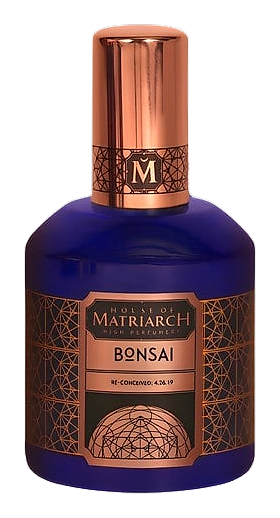
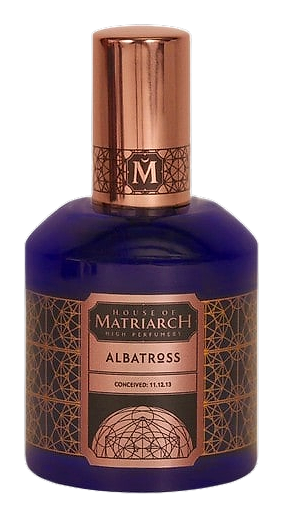
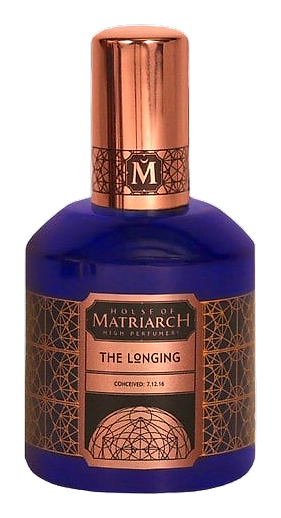
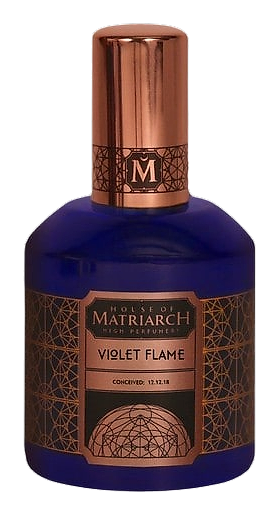






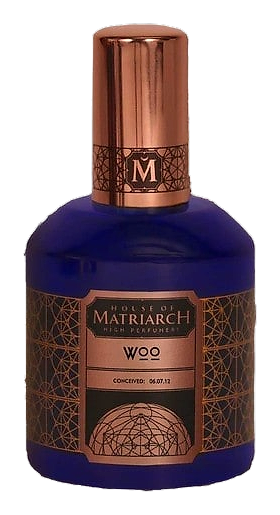
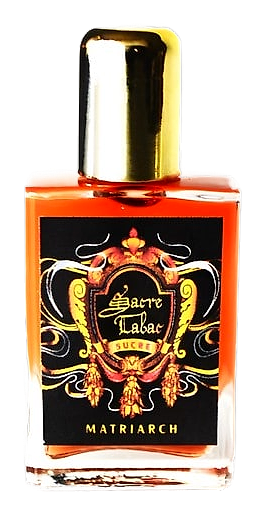
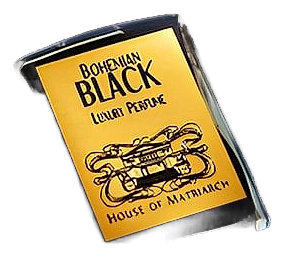
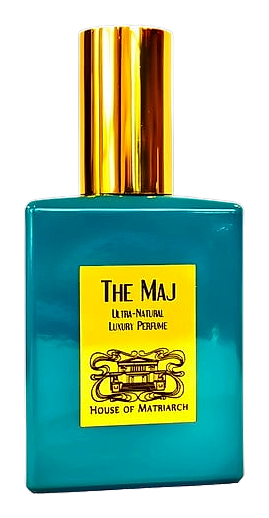

The Heritage
The Story of House of Matriarch
House of Matriarch crafts natural high‑perfume from Seattle, Washington. Artisan perfumer Christi Meshell designs each scent as a small‑batch vignette that draws on the mist‑laden forests of the Pacific Northwest. The line serves both women and men, offering compositions that balance botanical purity with a narrative edge. Since its 2009 launch, the house has built a niche of collectors who value rarity and story‑driven fragrance.
Heritage
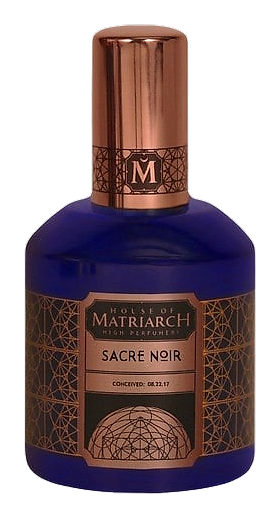
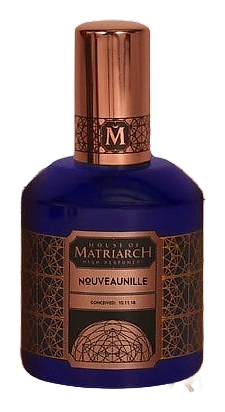
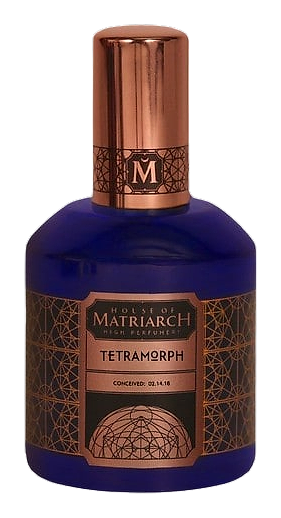
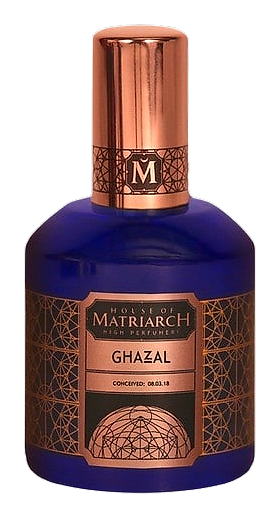
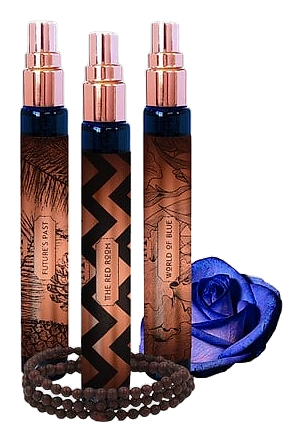
Christi Meshell founded House of Matriarch in 2009 after years of experimenting with botanical extracts in a Seattle studio. She positioned the brand as a high‑perfumery that honors the region’s “enchanted forest” aesthetic, a theme that appears on early marketing and continues to shape new releases. The first public edition appeared in 2011, marking the brand’s entry into the niche fragrance community. In 2015 the house introduced Bittersweet Symphony, a composition that blended dark woods with bright citrus, signaling a willingness to explore contrast. A prolific 2017 saw four launches—Siren, Sacre Noir, A World Of Blue, and Future's Past—each referencing mythic or futuristic concepts while staying rooted in natural ingredients. The following year added Khephera, Nouveaunille, and Ghazal, expanding the palette to include rare resins and exotic florals. 2019 brought Tetramorph and Violet Flame, fragrances that highlighted the brand’s evolving alchemical storytelling. In 2020 House of Matriarch partnered with Nordstrom to open a dedicated high‑perfumery space, giving shoppers a tactile experience of the small‑batch bottles. The brand continued to release limited editions through 2024, with the newest edition noted on Fragrantica as the latest addition to its catalogue. Throughout its history, House of Matriarch has maintained a steady output of natural, hand‑crafted scents while cultivating a reputation for intimate, story‑rich perfume experiences.
Craftsmanship
Every House of Matriarch bottle begins with a hand‑selected batch of raw materials. Meshell works directly with small farms in the Pacific Northwest, the Himalayas, and the Mediterranean to secure oils that meet strict purity standards. Once delivered, the raw extracts undergo a cold‑press or steam‑distillation process that preserves volatile aromatics. Meshell then blends the ingredients in a temperature‑controlled lab, using a graduated scale to achieve precise ratios. The mixtures age in dark glass vessels for periods ranging from three months to two years, allowing the components to harmonize naturally. Quality control includes organoleptic testing by a panel of trained noses, who assess balance, projection, and longevity. Only batches that meet the house’s sensory criteria proceed to bottling. Bottles are hand‑filled in a low‑light environment to prevent premature oxidation. Caps are sealed with a natural cork or a brushed metal screw, depending on the edition, and each unit receives a hand‑written batch number. The final product is wrapped in recycled paper and shipped in biodegradable packaging, reflecting the brand’s commitment to environmental stewardship.
Design Language
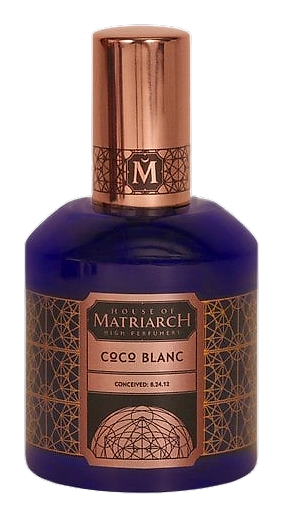
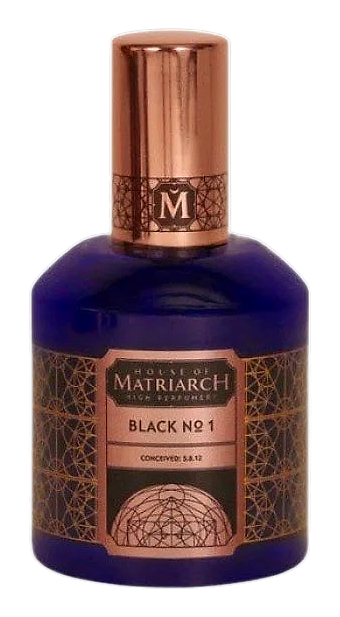
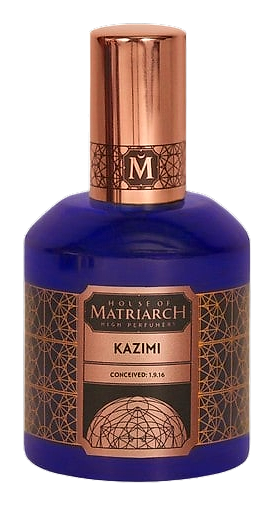
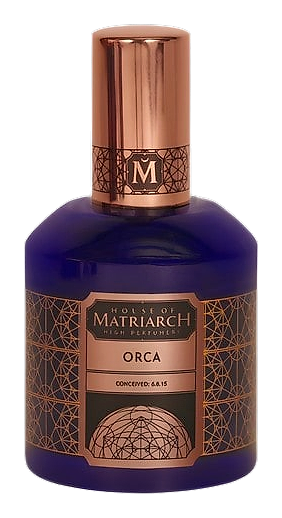
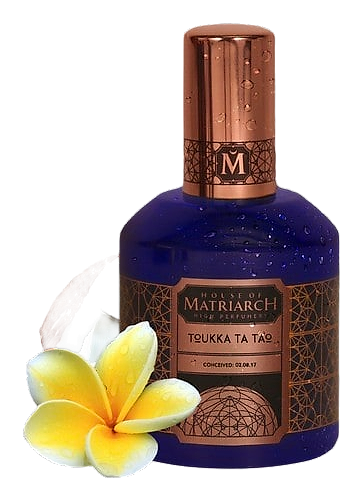
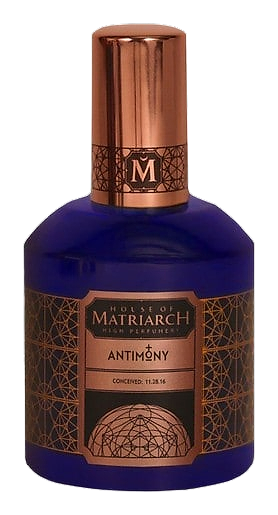
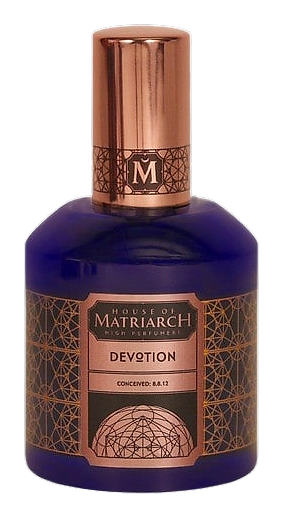
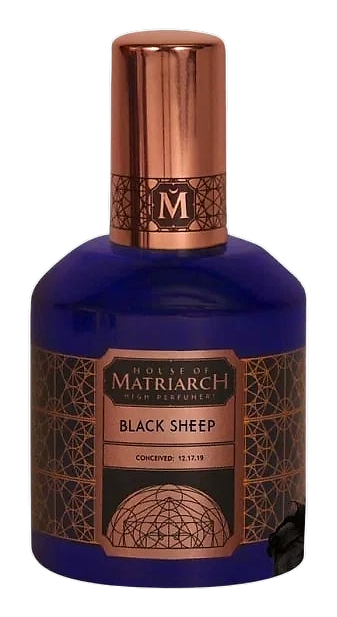
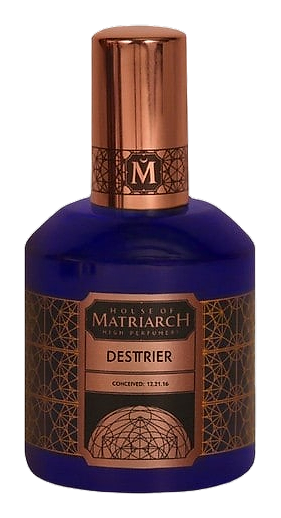
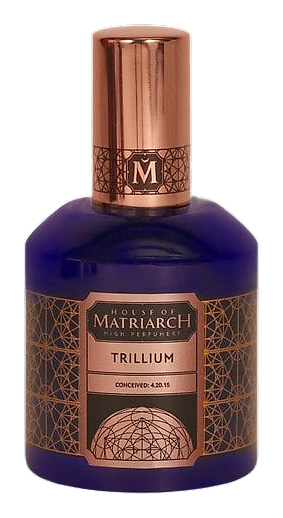
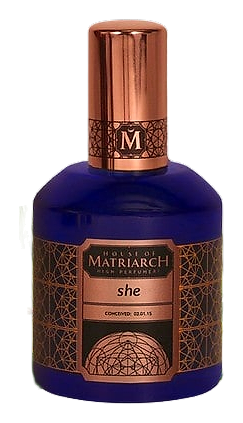
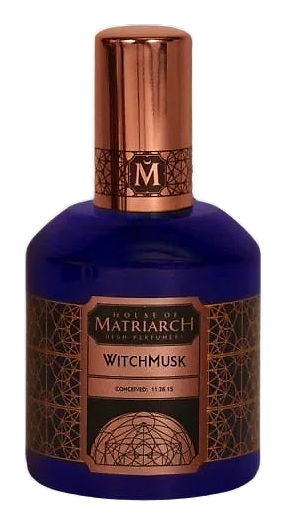
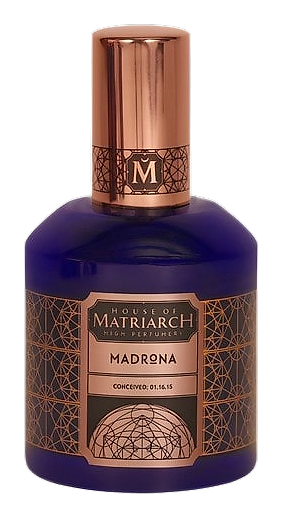
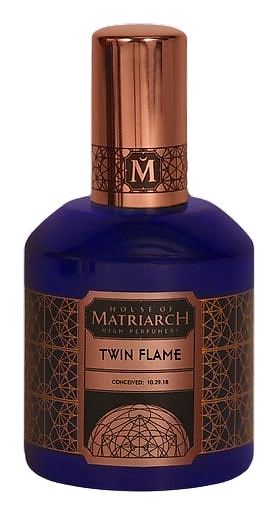
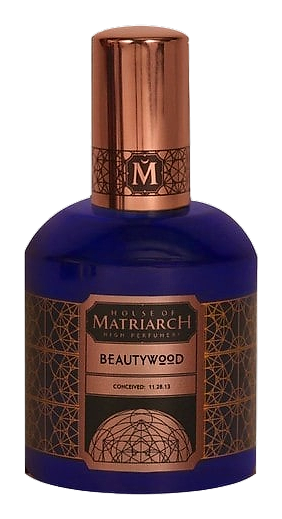
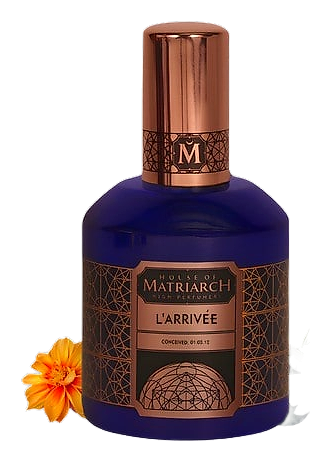
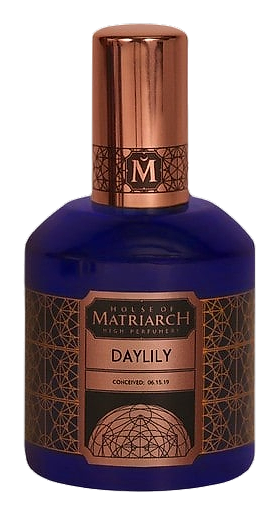
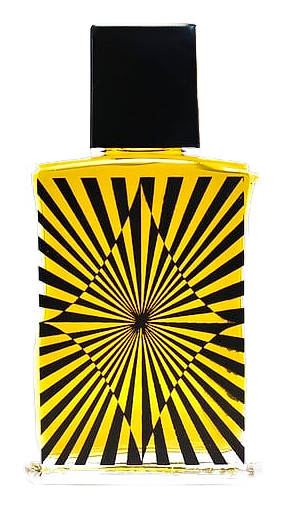
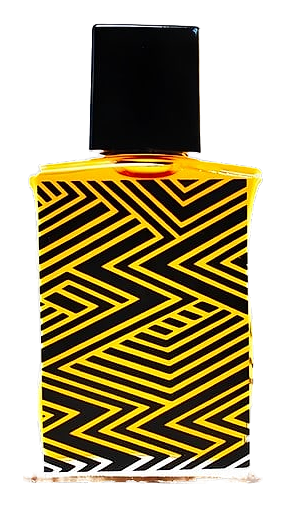
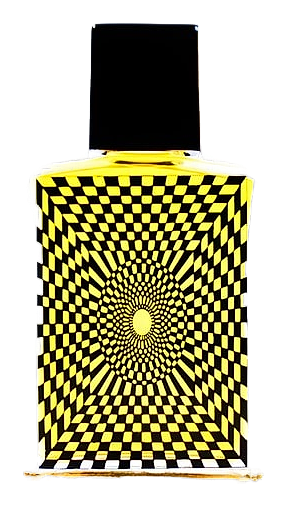
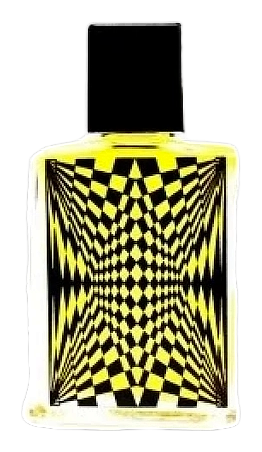
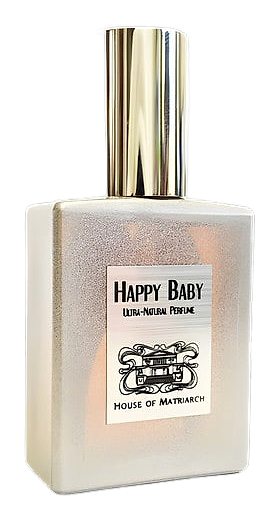
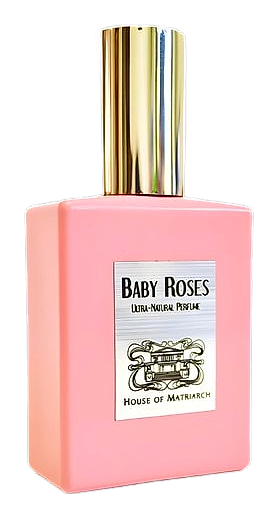
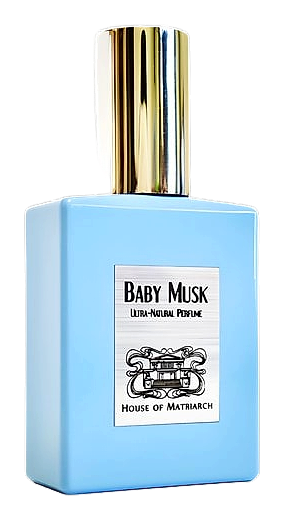
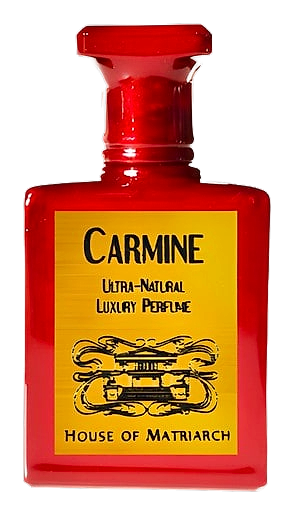
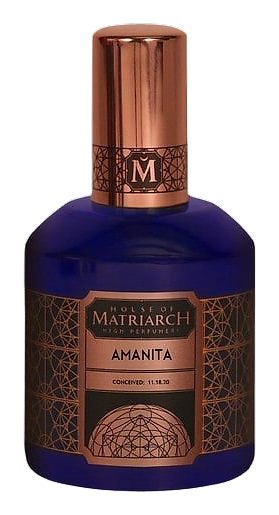
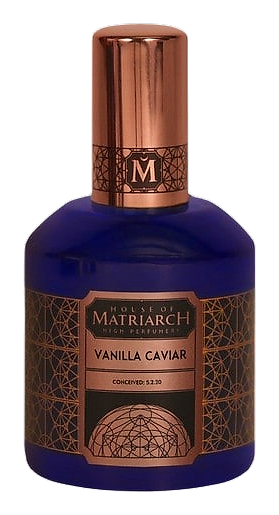
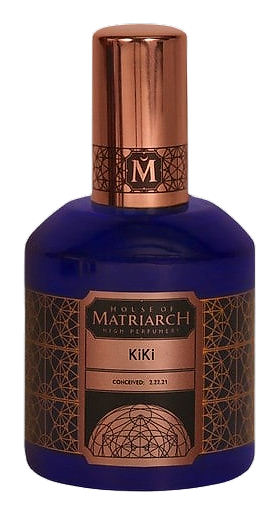
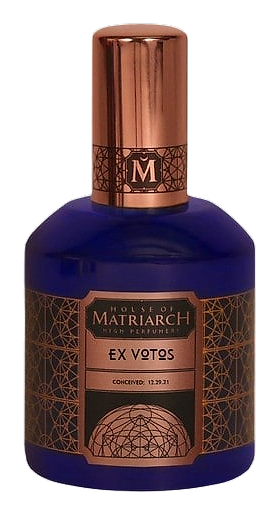
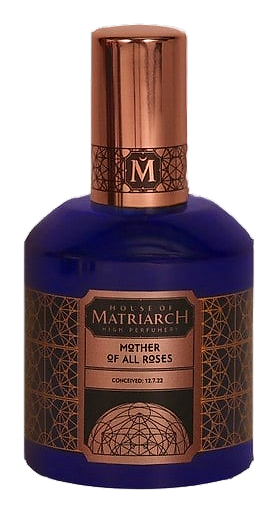
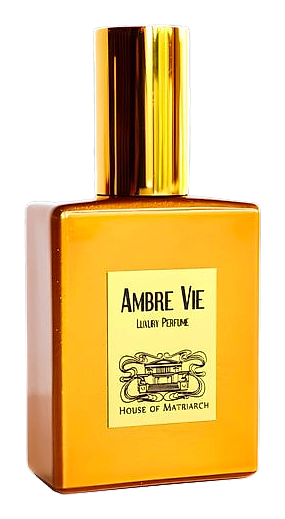
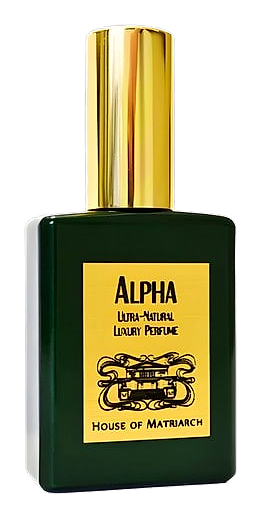
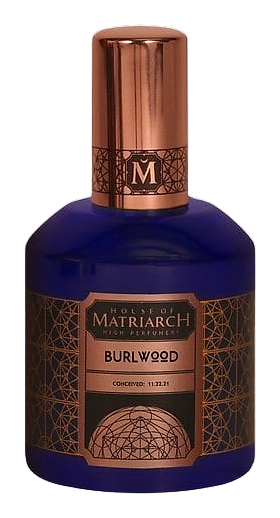
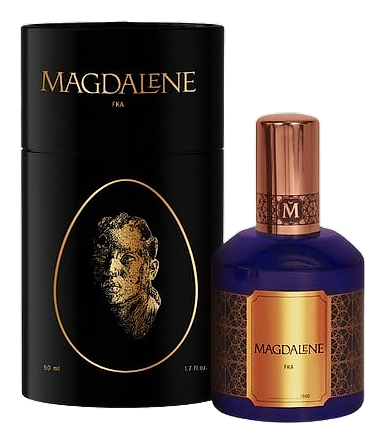
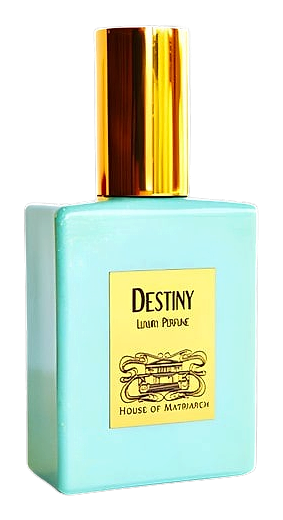
Visually, House of Matriarch embraces a minimalist yet mystical language. Bottles feature clean, cylindrical silhouettes that echo the trunks of ancient trees. Labels are printed on uncoated, recycled cardstock with hand‑drawn glyphs inspired by indigenous Pacific Northwest art. Color palettes draw from forest tones—deep moss green, muted amber, and soft slate—paired with occasional metallic accents that suggest alchemical vessels. The typography uses a simple serif font, reinforcing the brand’s editorial tone while remaining legible on small surfaces. In retail displays, the brand positions bottles on reclaimed wood planks, surrounded by dried foliage and soft amber lighting, creating an immersive forest‑like atmosphere. The website mirrors this aesthetic with a muted background, high‑resolution photography that captures the texture of each bottle, and concise copy that invites the visitor to explore the story behind each scent.
Philosophy
The house treats perfume as a living narrative. Meshell describes each creation as a chapter in a larger myth that begins in the Pacific Northwest’s rain‑soaked canopy. Natural ingredients form the core of every formula; synthetic accords appear only when they can amplify a story without compromising botanical integrity. The brand values transparency, so ingredient lists are published alongside each launch, allowing collectors to trace the origin of each note. Sustainability guides sourcing decisions: woods are harvested from certified forests, and essential oils come from growers who practice regenerative agriculture. House of Matriarch also embraces the ritual of scent, encouraging wearers to pause, inhale, and imagine the scene the perfume evokes. This approach positions fragrance not merely as adornment but as a portal to memory and imagination.
Key Milestones
2009
Christi Meshell establishes House of Matriarch in Seattle, focusing on natural high‑perfume.
2011
First public edition released, marking the brand’s entry into the niche fragrance market.
2015
Launch of Bittersweet Symphony, a contrast‑driven composition that expands the house’s olfactory range.
2017
Four new fragrances debut—Siren, Sacre Noir, A World Of Blue, Future's Past—showcasing thematic diversity.
2018
Release of Khephera, Nouveaunille, and Ghazal, introducing rare resins and exotic florals.
2019
Tetramorph and Violet Flame launch, emphasizing alchemical storytelling.
At a Glance
Brand profile snapshot
Origin
USA
Founded
2009
Heritage
17
Years active
Collection
3
Fragrances released
Avg Rating
3.4
Community sentiment
Release Rhythm


