
The Story
Why it exists.
The beginning
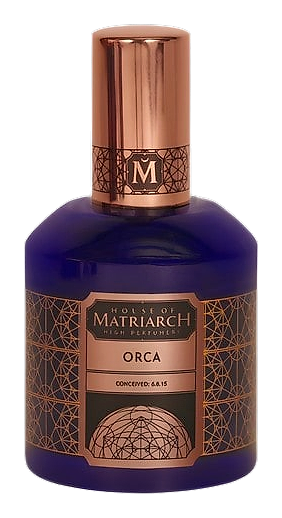
Orca. The killer whale. Apex predator of the Pacific. The name carries weight, presence without announcement, intelligence beneath stillness. Meshell reached for something rare here: Choya Loban, a resin drawn from heated clams, paired with genuine ambergris. These two ocean materials come together in a way that feels both ancient and elemental, the resin's warmth meeting the ambergris in a composition that earns its name.
Ambergris has a split reputation. On paper, it's animalic and erotic. In practice, it can read as too marine, too fecal, too much of something. The same goes for Choya Loban, exotic and resinous, but demanding. What Meshell does here is restraint. The ambergris doesn't roar. It breathes against the skin. The honey doesn't sweetness its way into generic territory. It anchors. These materials could fight. Instead, they settle into each other like two things that belong.
The evolution
The opening is all amber and spice, warm, resinous, immediate. Benzoin adds a flicker of sweetness that keeps the top from reading heavy. The honey arrives. Not syrupy. Liquid. It threads through the woody heart and suddenly the composition has dimension. Then the ambergris takes over. Salted skin. Animalic warmth. It doesn't dominate. It closes. The drydown is intimate and close, the kind you catch when you lift your wrist to your face without thinking.
Cultural impact
Orca centers on genuine ambergris and Choya Loban, two materials that bring animalic depth to the composition. The fragrance emphasizes natural ingredients and botanical purity, standing apart through its material choices rather than marketing. House of Matriarch built the scent around these rare, natural materials, creating something that prioritizes ingredient quality and composition integrity.