
The Story
Why it exists.
The beginning
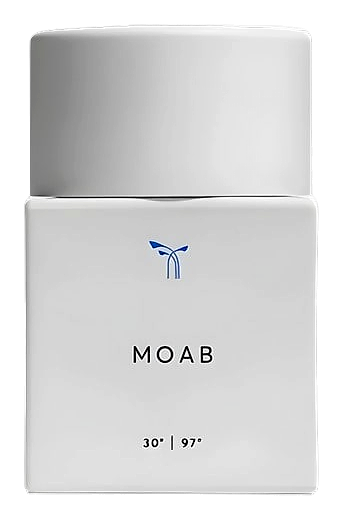
Moab arrived in 2016 from perfumer Ralf Schwieger. The name refers to the Utah canyon country, a landscape defined by vast open space that changes how you breathe. The fragrance translates that geography into scent, rendering the desert's sun, wind, and silence through notes of spice and wood. It is not a smell that merely reminds you of somewhere, but something that evokes the expansive character of canyon country itself. The warm mineral quality at its core captures something essential about that wide-open terrain, the kind of place where the air itself feels different against your skin.
What makes Moab structurally interesting is the mineral-sand accord running beneath the spice. The aldehydic lift at the opening creates a bright, clean quality that cuts through the warmer notes, giving the composition an unexpected clarity. Long pepper adds a distinctly aromatic heat that sets this apart from more conventional spicy fragrances. The mineral-sand element provides an earthy foundation that grounds the composition without heaviness. The result is spicy without being heavy, warmth that breathes rather than envelops.
The evolution
The opening hits first: aldehydic brightness cutting through clove and long pepper, jasmine threading faintly beneath. The sand note arrives, mineral and warm, providing a grounding quality that softens the initial spice. As the fragrance develops, the sand note and mineral accord remain present, with tonka bean arriving quietly to add a whisper of sweetness that balances without sweetening. The spice never fully disappears, but it recedes enough to let the mineral warmth come forward. The heart settles into a woody territory, with tonka bean continuing to soften the composition. The drydown features vanilla and tonka carrying the finish, warm and slightly sweet, close to the skin. What remains hours later is soft and intimate, a presence rather than a statement.
Cultural impact
Moab arrived in 2016 as a fragrance that captures geographic landscapes through scent rather than relying on traditional fragrance categories. The desert-mineral genre it belongs to draws from the stark beauty of canyon country in Utah, creating an alternative to conventional perfume traditions. This approach resonated with consumers seeking meaningful connections to place through fragrance. The scent itself embodies a sense of open space and dry warmth that evokes arid landscapes without literal interpretation.