The Story
Why it exists.
The beginning
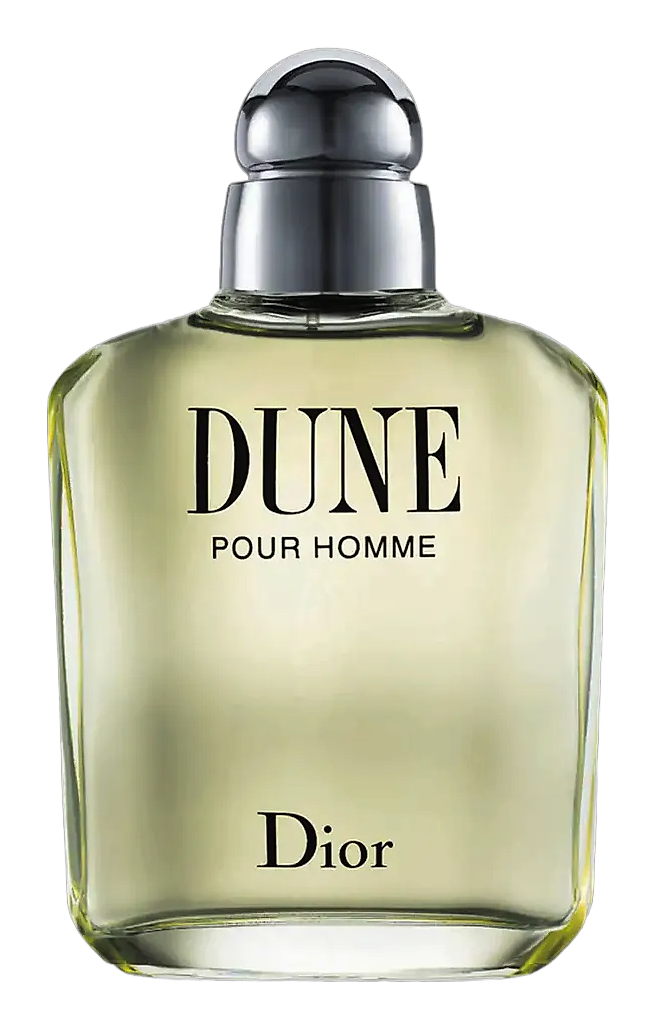
Dior released Dune pour Homme in 1997. Perfumer Olivier Cresp had other ideas. The name itself carries the promise of open space, dunes, horizon lines, the pull of distance. Cresp built the composition around fig, treating the entire plant, leaf, bark, wood, as a complete olfactory landscape rather than a single novelty note. The result was meant to feel like a departure, not an arrival. Each element of the fig tree contributes its own character, the leaf bringing its green, slightly bitter freshness, the bark offering dry, aromatic woodiness, and the wood itself anchoring the composition with something deeper and more resinous.
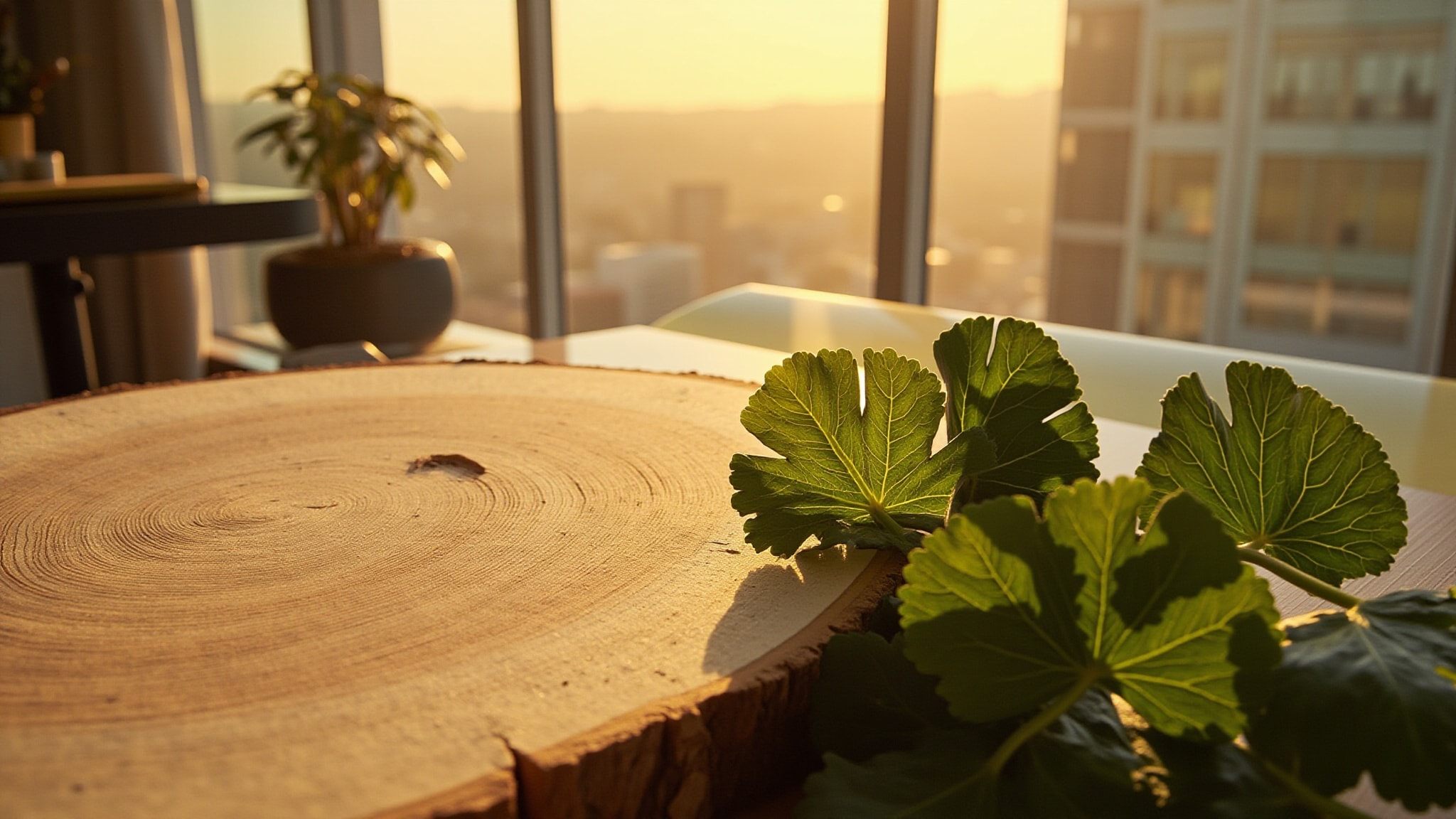
What makes Dune pour Homme structurally unusual is how it treats fig. The fragrance avoids the sweet, almost jammy fruit entirely. Instead, fig leaf opens the composition with a green, slightly bitter freshness, while fig tree bark in the heart adds a dry, almost resinous woodiness that reads as more aromatic than fruity. The rose note is restrained, present but not floral in a conventional sense, giving the heart an almost mineral quality beneath the sweetness of tonka. Reseda brings a delicate green-floral nuance that lends a certain softness in the middle registers.
The evolution
The opening arrives quickly, fig leaf and sage hit first with a cool, herbal brightness that feels like morning air. The fig leaf mellows against a quieter sage as the composition develops. The heart phase is where this fragrance earns its reputation. Fig tree bark emerges gradually, dry and woody, as the rose and reseda introduce a subtle floral warmth that most people describe as soft or creamy rather than sweet. This is the phase that defines Dune pour Homme, lingering for several hours on the skin, staying close, intimate, almost self-contained. The drydown shifts to cedar and sandalwood, with tonka bean adding a faint sweetness that lingers. By the end, you're left with a soft, warm woodiness that stays close to the skin. The fragrance evolves from bright herbal opening through a warm, floral heart to a soft woody finish, each stage blending seamlessly into the next.
Cultural impact
Dune pour Homme occupies an unusual position in the Dior masculine lineup, neither a blockbuster statement nor a niche experiment. Its fig-forward, green-aromatic profile offers something more substantial than a standard fresh fragrance, while the warm woody drydown provides genuine depth. The fragrance presents fig in a way that's softer and more romantic than bolder interpretations, with a restraint that feels distinctly Dior. It's the kind of scent that rewards attention, revealing new facets with each wearing.