
The Story
Why it exists.
The beginning
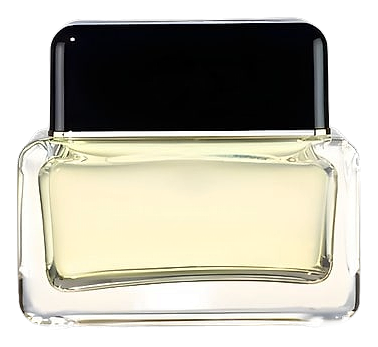
The men's version arrived as a natural extension of the line. Ralf Schwieger composed it, anchoring the composition with fig leaf and aquatic structure, then pushing the top register harder with more spice, more green. The result felt layered and intentional, the kind of fragrance that reveals different facets as it settles on skin. There's a botanical quality to the opening that feels both fresh and grounded, a deliberate contrast between the crispness of green elements and the deeper warmth building beneath them. The aquatic component adds a clean, almost misty dimension that keeps the overall feel light without ever becoming thin.
The fig leaf here takes center stage in a way that's different from most men's fragrances. It's not the fruit or the wood, it's the leaf itself, green and almost milky, like sap from a cut stem. The aquatic notes avoid the typical synthetic brine or sunscreen trap; instead they read as wet stone, a cool mineral quality that lifts the fig without competing. Cyclamen and rose add quiet floral elegance that softens the whole heart into something almost unexpected.
The evolution
Cedar arrives first in the drydown, its sharp aromatic presence cutting through the earlier phases. Patchouli follows quickly, earthy and deep, settling close to the skin where it holds for hours. Tonka bean softens the edges with a sweet, powdery warmth that tempers the woods without overwhelming them. Oakmoss lingers in the background, green and forest-floor, adding an organic depth that grounds the entire composition. As the hours pass, these elements continue to interact, the woods gradually becoming more prominent while the tonka keeps everything from becoming too heavy. The drydown unfolds gradually, each note finding its place in a composition that rewards patience.
Cultural impact
The recognition from the Fragrance Foundation brought broader attention to what the fragrance offered. It presented something distinct in the men's category, a green, aquatic quality with fig leaf at its heart that felt both fresh and grounded. The award validated the creative direction and positioned the fragrance as a reference point for how modern masculine fragrances could balance unexpected notes with wearability.
The House
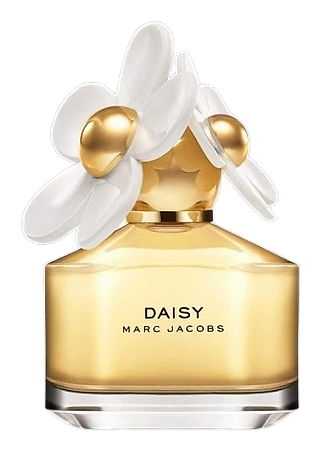
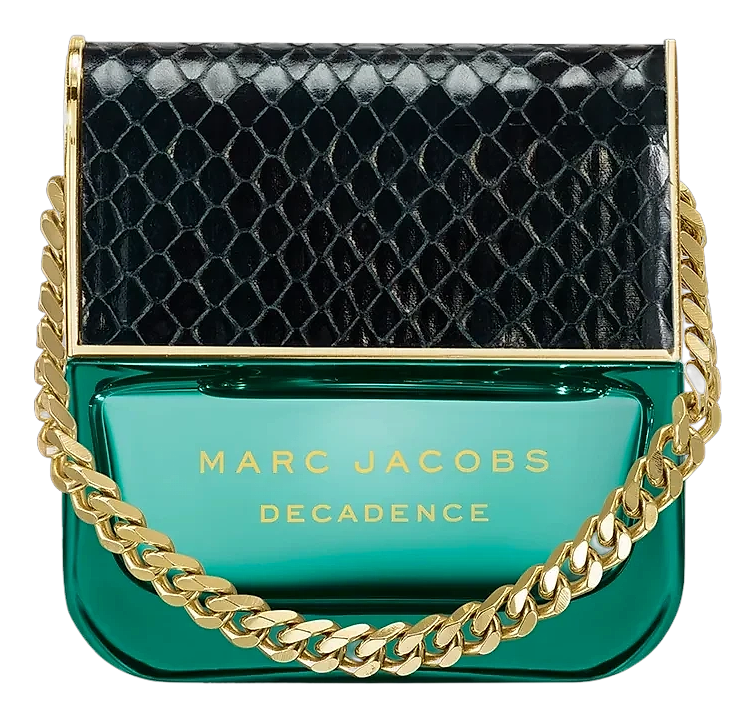
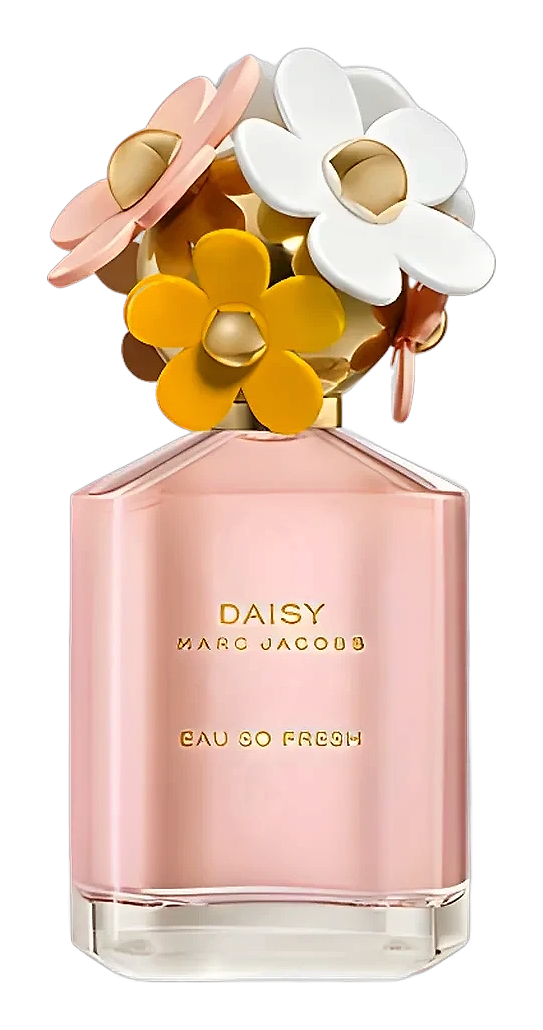
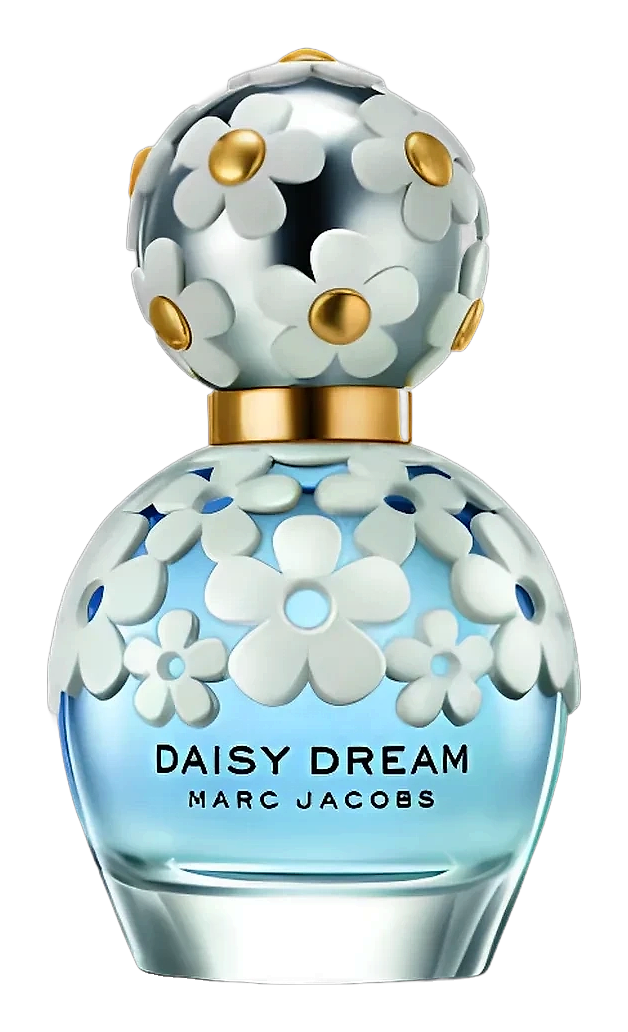
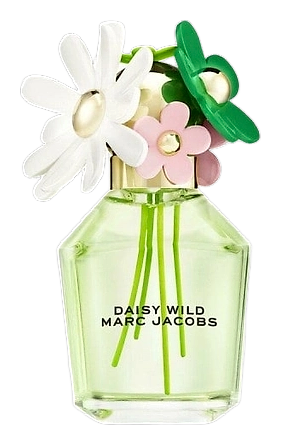
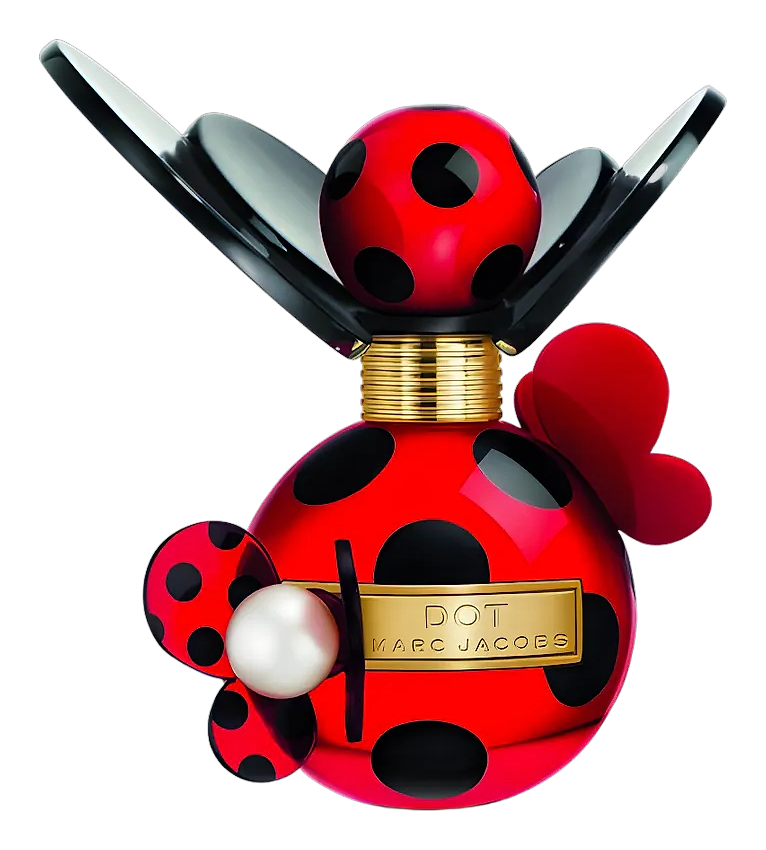
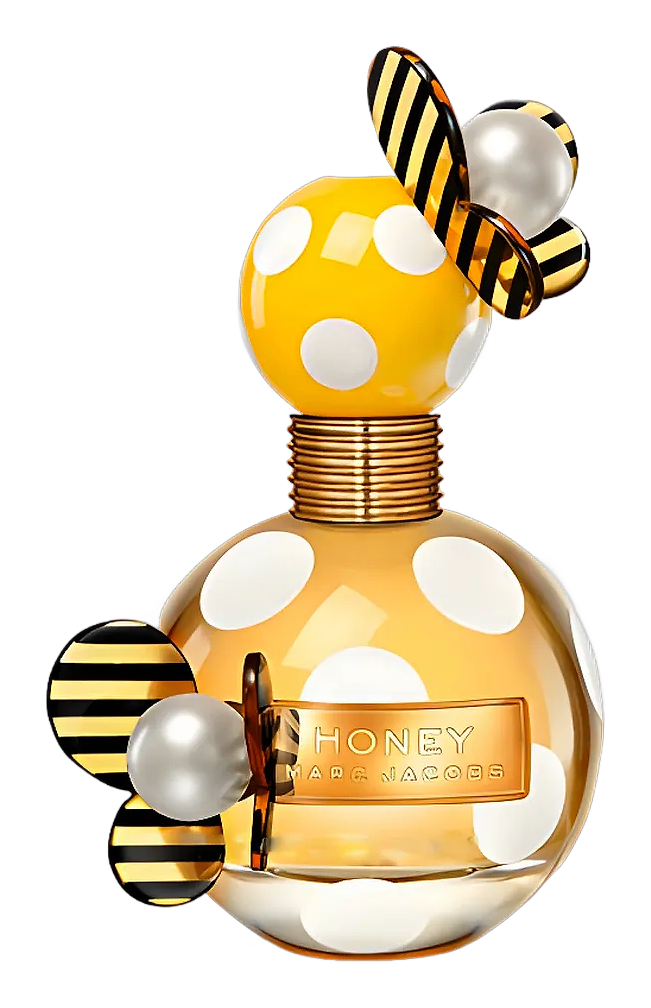
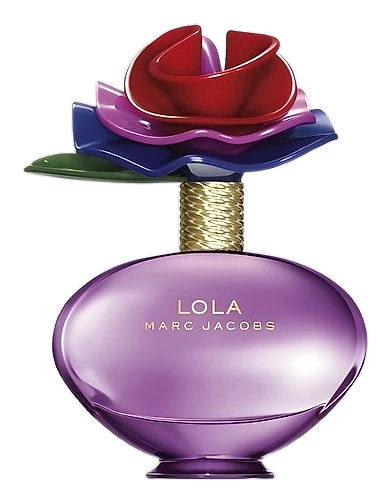
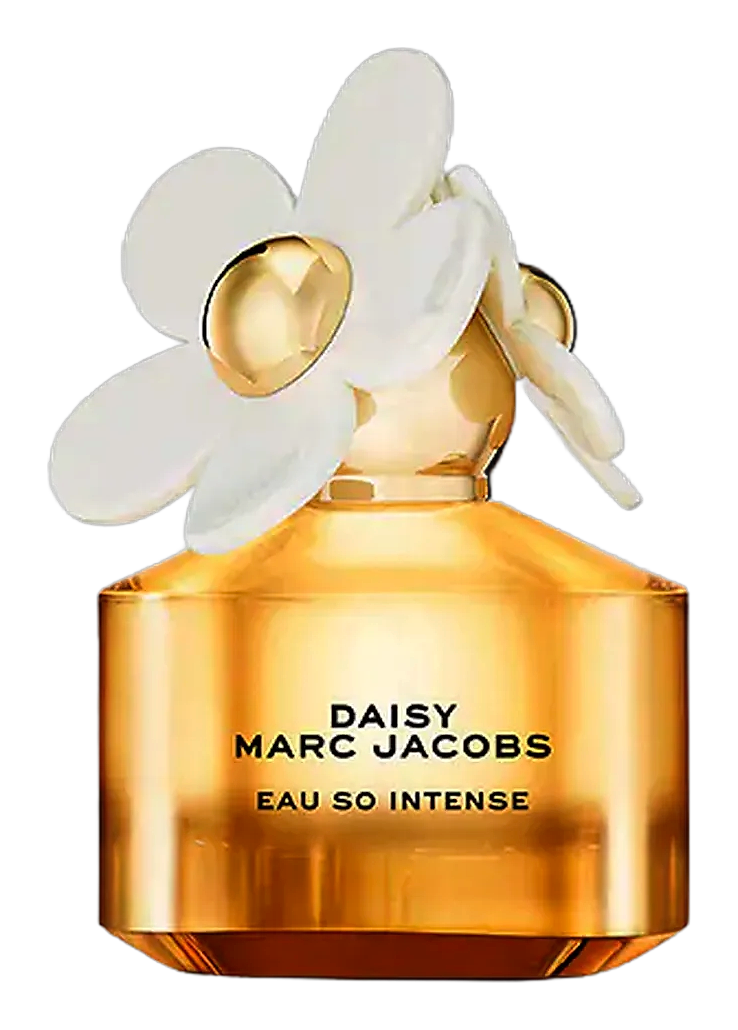
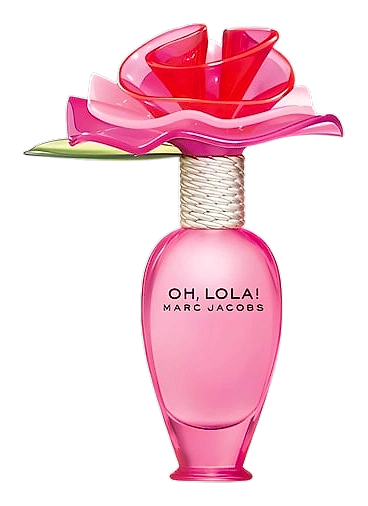
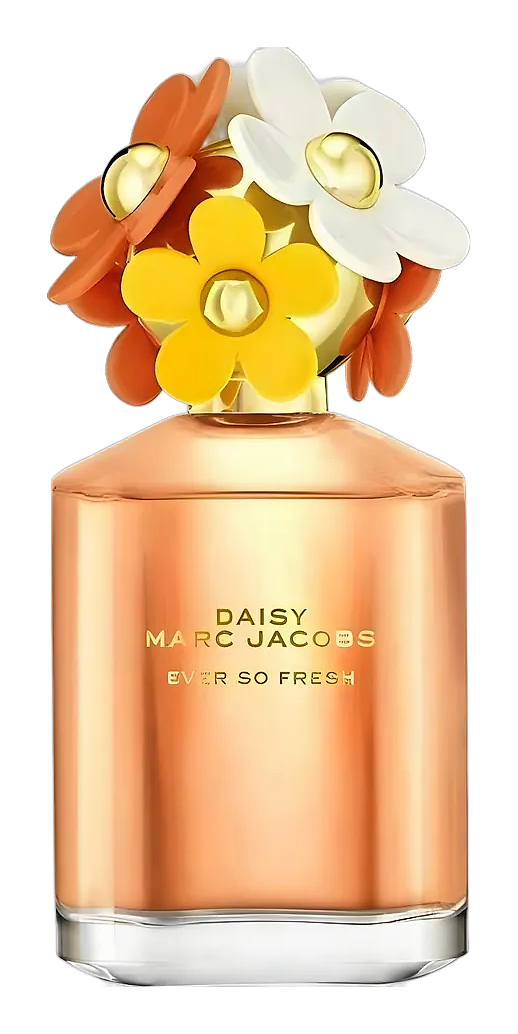
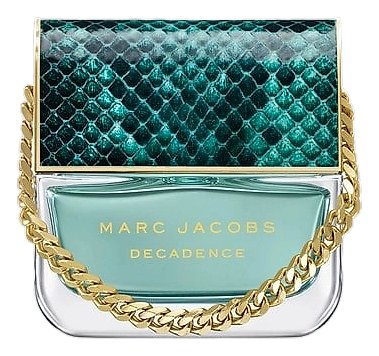
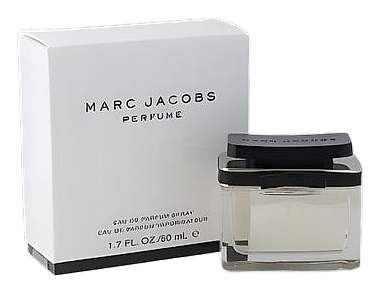
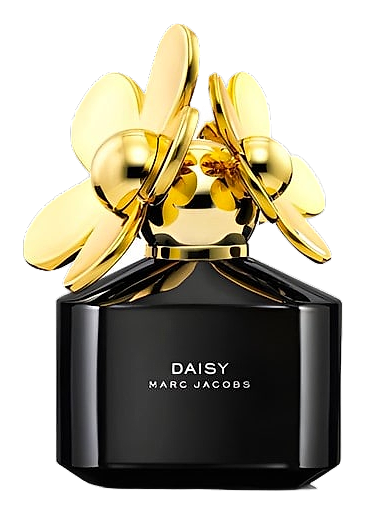
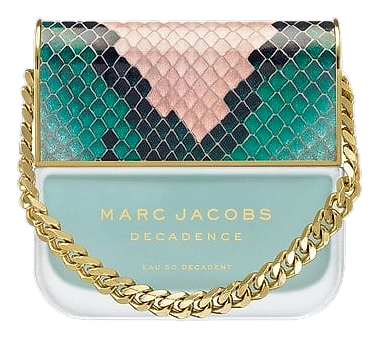
Marc JacobsMarc Jacobs fragrances, produced under license by Coty, launched in 2001 with Marc Jacobs for Women, followed by a companion men's scent in 2002. The brand has since built an extensive portfolio of fragrances anchored by signature lines including Daisy (2007), Lola (2009), Decadence (2015), and Perfect (2020). Daisy, named after Daisy Buchanan from F. Scott Fitzgerald's The Great Gatsby, quickly became a defining success for the brand, spawning numerous flankers and variations across multiple collections. The line's visual identity, with its oversized daisy cap atop a clean bottle, became one of the most recognizable silhouettes in contemporary perfumery. Decadence introduced a handbag-shaped bottle on a gold tasselled chain, a notably unconventional vessel for fragrance at the time of its launch. The brand has collaborated with a broad roster of perfumers over the years, including Annie Buzantian, Ann Gottlieb, Steve DeMercado, Loc Dong, Alberto Morillas, and Calice Becker, among many others. Marc Jacobs fragrances are available at major department stores worldwide and online.
The Creator
Ralf SchwiegerSchwieger's signature leans toward complexity with an airy, almost fragile quality. He gravitates toward violet-rose accords, aldehydic facets reminiscent of classic elegance, and animalic undertones that add depth without heaviness.