The Story
Why it exists.
The beginning
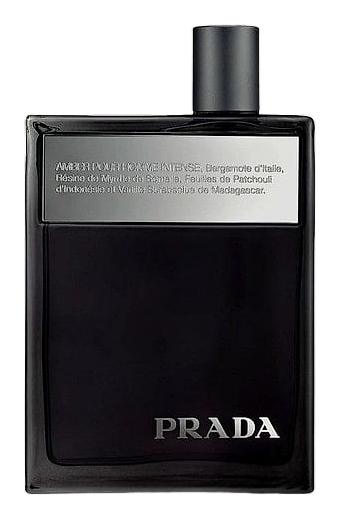
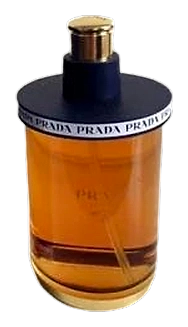
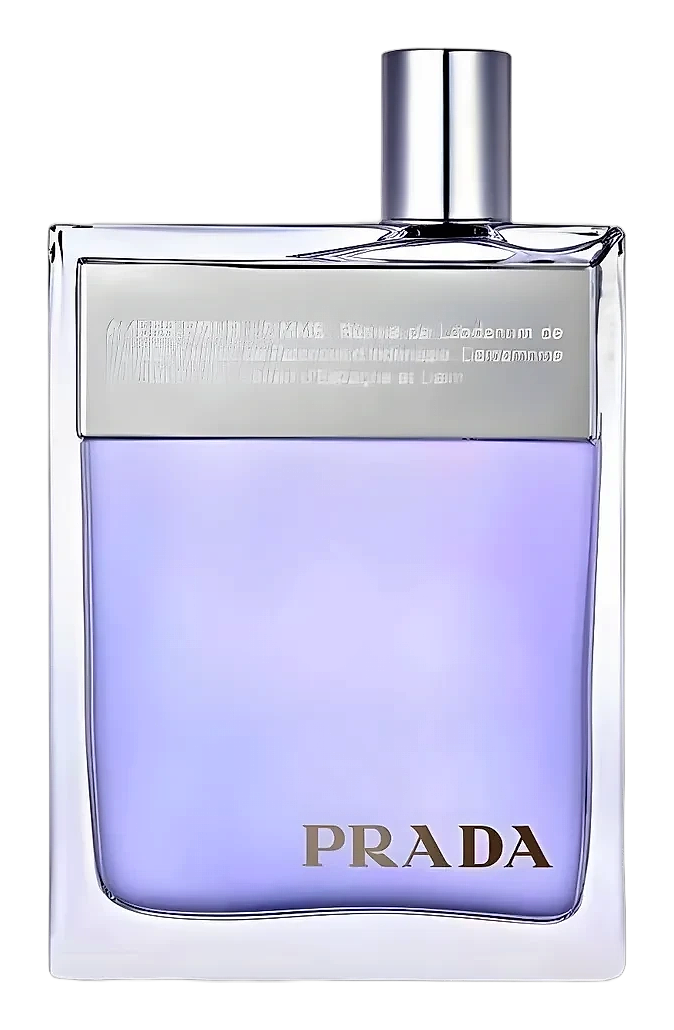
In 2006, Prada released its first men's fragrance, Amber Pour Homme, composed by Daniela Andrier, the nose behind much of the house's olfactory identity. Miuccia Prada, who had transformed her grandfather's leather goods company into a global fashion force, was personally involved in the brief. Her direction was deceptively simple: imagine what would appeal if she were a man. The result wasn't an aggressive statement or a power scent. It was something more interesting, a masculine fragrance built on restraint, intelligence, and unexpected warmth.
The structure Andrier chose is built around four interlocking accords. An Oriental base, amber, vanilla, labdanum, tonka, and patchouli, provides the warmth and depth. A Fougere accord, with geranium, vetiver, orange blossom, and myrrh, brings the aromatic, almost soapy quality that defines classic masculine fragrance architecture. A Cologne accord of bergamot, mandarin, neroli, and cardamom delivers the bright opening. And a Leather accord, leather, saffron, and sandalwood, grounds everything with something unexpected. The interplay between these accords is where the magic lives: the fougere feels different against the oriental warmth, the leather grounds what could be abstract into something real.
The evolution
The opening is all citrus and florals, bergamot, mandarin, neroli, with a cardamom warmth underneath. Clean, intentional. Within 15-30 minutes, the heart arrives: orange blossom becomes more visible, geranium adds an herbal complexity, myrrh introduces a slight medicinal quality, and vetiver brings an aromatic depth that anchors the whole thing. This is where the soapy fougere character asserts itself, it's the phase that defines the fragrance for most of its wear. Then, around the 2-hour mark, the base takes over. Saffron and leather announce themselves immediately, but it's the sandalwood, labdanum, tonka bean, and vanilla that give the drydown its warmth. Powdery, soft, intimate. The performance holds for 8-10 hours on most skin.
Cultural impact
Amber Pour Homme occupies an unusual position in the designer fragrance landscape: a men's fragrance from a fashion house with no celebrity endorsement, no aggressive marketing campaign, just a 2006 launch and a composition that rewards attention. The response has been steady and loyal, men who found something different here than in typical designer offerings, who appreciate the way it balances warmth with restraint, classic structure with modern sensibility. It's the kind of fragrance that builds a following not through hype but through the accumulated experience of wearers who recognize what Prada was going for and agree they got there.