The Story
Why it exists.
The beginning
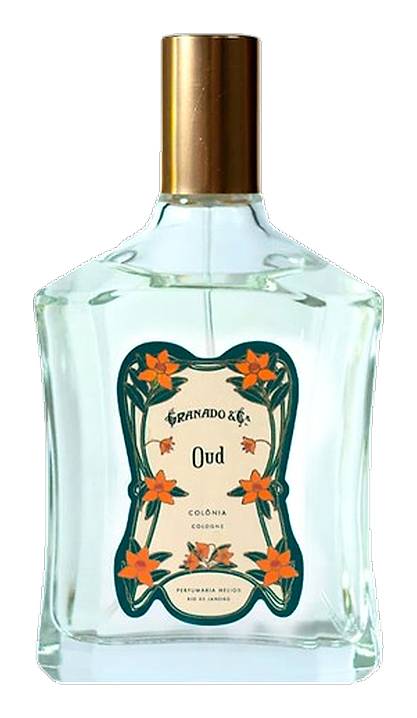
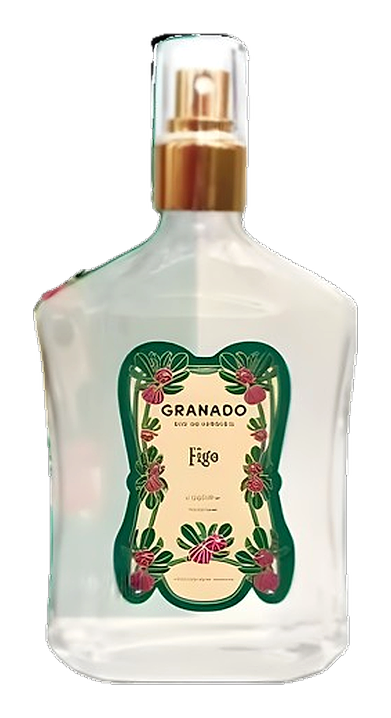
Granado, founded in Rio de Janeiro in 1870 as an apothecary, has spent over a century refining a natural, transparent approach to fragrance. Florian Gallo received a simple brief: challenge the fig genre entirely. Instead of pursuing the sweet, jammy fig pulp that dominates the category, Gallo asked what a fig fragrance could smell like if it honored the tree itself. The result is a scent that prioritizes the green, watery scent of broken stems and leaves over any fruit accord. This philosophical stance aligns with Granado's apothecary roots, where botanical accuracy often proved more compelling than abstraction.
The note choices reflect a deliberate philosophy: represent fig as a living plant rather than a consumed fruit. Cardamom and black pepper in the opening suggest the spice quality of the tree's environment. Cedarwood and guaiac wood evoke the sturdy trunk and branches. Sandalwood and amber mirror the warmth of sunlit bark. Violet adds an unexpected softness that prevents the composition from becoming too austere. Together, these materials paint a complete picture of the fig tree from root to leaf, offering something genuinely distinctive in a crowded fragrance category.
The evolution
Figo begins with a brief but striking aromatic chapter. Cardamom and black pepper provide warmth and spice while orange lifts the composition with bright citrus. Within fifteen minutes, the fig leaf emerges, and the entire character of the fragrance shifts from warm spice to cool green. Cedarwood supports the fig leaf with its dry, woody presence while violet whispers softly in the background. The transition to the drydown takes another hour or so, gradually softening the green edges as sandalwood and amber introduce warmth and creaminess. Guaiac wood arrives last, adding a smoky, resinous quality that rounds the fragrance into something deeply satisfying on the skin.
Cultural impact
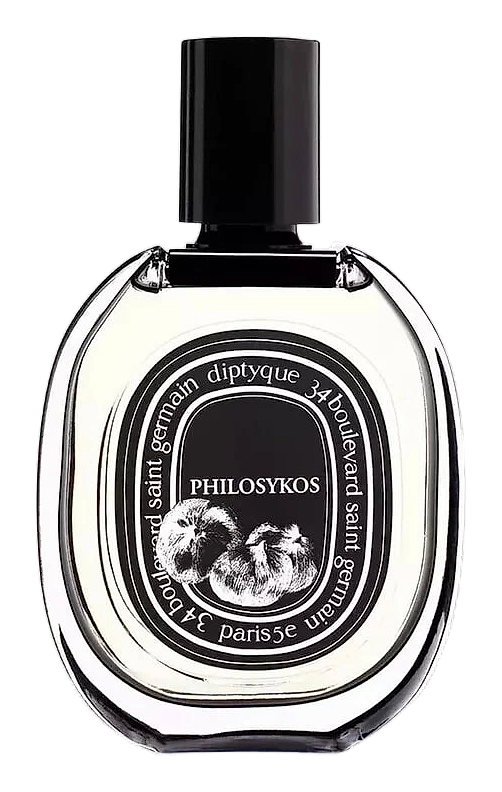
Granado occupies an interesting position in contemporary perfumery: a heritage house from Brazil that most international fragrance audiences haven't encountered yet. Founded in 1870 as a pharmacy, the brand built its reputation on natural remedies before moving into scent, and that apothecary DNA still shows in how they present their compositions, transparently, with sourcing stories attached to each bottle. Figo arrived in 2023 during a period of renewed interest in fig fragrances and Brazilian botanical ingredients, and it stands apart by leaning into fig leaf instead of fig fruit, a choice that separates it from the better-known Dioricon Philosykos and Diptyque Philosophie.