The Story
Why it exists.
The beginning
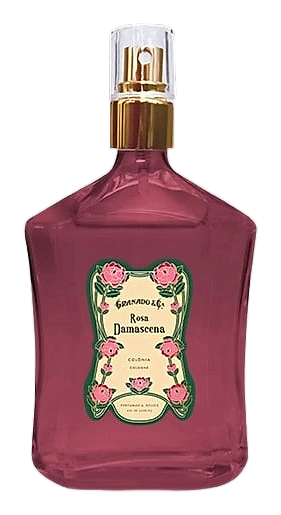
Rosa Damascena is one of perfumery's most celebrated materials. The damask rose has been used in fine fragrance for centuries, its oil prized for its complex character. But the note carries weight. Expectations are high. It demands attention and respect. The fragrance builds carefully around freshness and clarity, with a feminine elegance that speaks quietly rather than loudly. The rose takes center stage without excess, surrounded by supporting elements that enhance its natural beauty without overwhelming it. There's a precision to the composition that lets each layer breathe. The name says it all. Rosa Damascena. Not a metaphor, not a story about a moment or a memory. Just the flower, named the way a pharmacist would name it.
What makes this composition distinctive is its refusal to pile on. Rose as a note is frequently burdened, overextended, overblown, made to carry accords it can't support. Here it sits inside a structure that protects it. The citrus top is the shield: bright, clean, almost medicinal in the best Granado tradition. It clears the air before the rose arrives. The heart pairs rose with peony and jasmine, a classic feminine trio, but the proportions matter. This isn't a peony fragrance with a rose nod. It's a rose fragrance that uses peony for texture and jasmine for depth. The result feels layered without being heavy, floral without being sweet.
The evolution
The first thirty seconds belong to citrus, and they are not gentle about it. Grapefruit bites. Mandarin follows. Bergamot arrives to smooth the edges but doesn't erase the bite. Some wearers describe this opening as harsh or sour, the astringent quality is real, a consequence of using actual citrus oils rather than accord approximations. By minute five, the florals push through. The rose isn't waiting. It arrives while the citrus is still audible, a soft counterweight to the sharpness. Peony adds dewiness. Jasmine steadies everything. This is where the fragrance earns its name, not through force, but through presence. A damask rose in an apothecary garden, not a perfume counter. As time passes, the citrus gradually fades from prominence. The floral heart holds, but it's deepening now.
Cultural impact
Rosa Damascena draws on Mediterranean tradition where damask rose has been prized for its delicate scent. In Brazil, Granado's apothecary heritage, dating to 1870, brought this rose tradition into a South American context. The Brazilian interpretation emphasizes the fresh, natural quality of rose water rather than heavier rose extracts. Damask rose has long been associated with luxury and refinement in perfumery. Its cultivation requires specific conditions, and the labor-intensive process of extracting its essence has made it a treasured ingredient.