
The Story
Why it exists.
The beginning
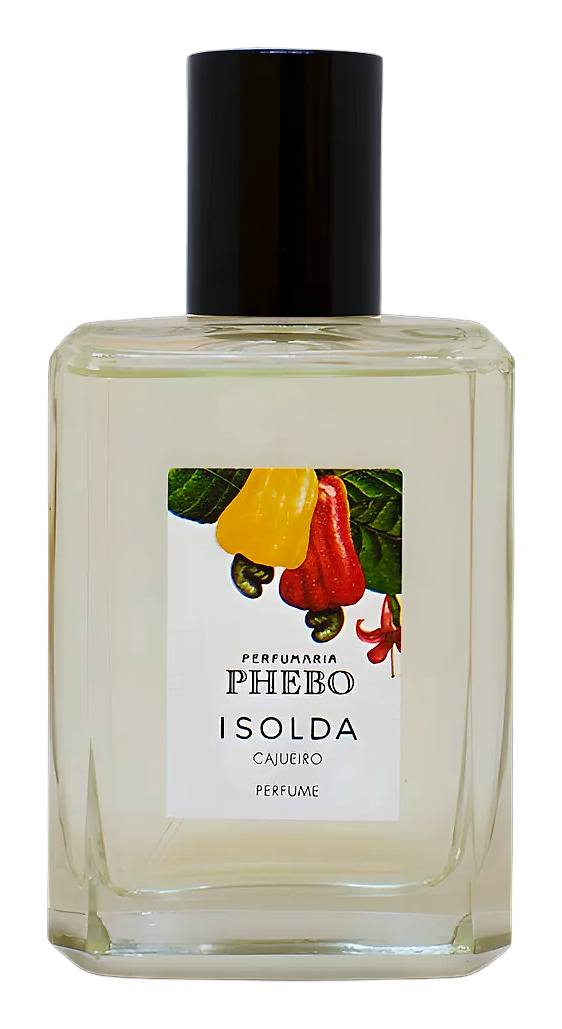
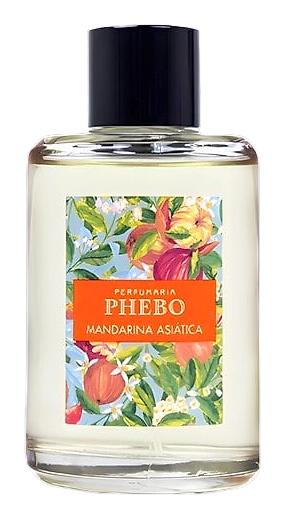
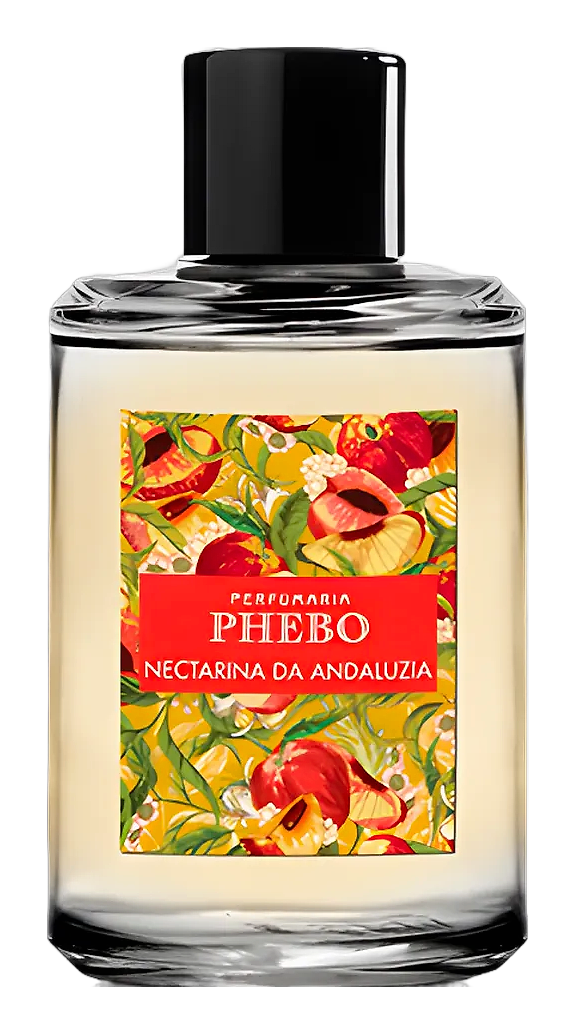
Phebo, the Brazilian fragrance house founded in 1930 by Portuguese cousins Antonio and Mario Santiago in Belem, built its identity around Amazonian botanicals. Nectarina da Andaluzia represents a departure, an homage to the Andalusian nectarine and the sun-drenched fruit character of southern Spain. The name crosses continents while the craft remains distinctly Brazilian. The fragrance uses a stone fruit central to the concept, building outward with citrus and florals to capture the ripeness and warmth of that sun-drenched region.
The note selection prioritizes naturalism over abstraction. Peach is the anchor, and the surrounding notes support that realistic stone fruit character rather than pushing toward candy or synthetics. Bergamot and lemon provide brightness without overwhelming the peach. Honeysuckle and jasmine offer softness. White tea adds refinement. Musk, oakmoss, and white amber form a base that feels grounded and familiar, echoing classic perfumery while keeping the composition contemporary.
The evolution
The fragrance begins with bergamot and lemon cutting through the air, immediately bright and energizing. Peach follows, its fleshy sweetness grounding the citrus and preventing sharpness. As the opening settles, honeysuckle climbs forward, followed closely by jasmine. White tea appears as a supporting element, adding a clean, slightly bitter edge that balances the florals. The drydown shifts toward musk, which brings intimacy and warmth. Oakmoss introduces a quiet earthiness, and white amber creates a lingering, creamy trail that persists for hours. This arc moves from bright and juicy through soft florals to a grounded, sensual finish.
Cultural impact
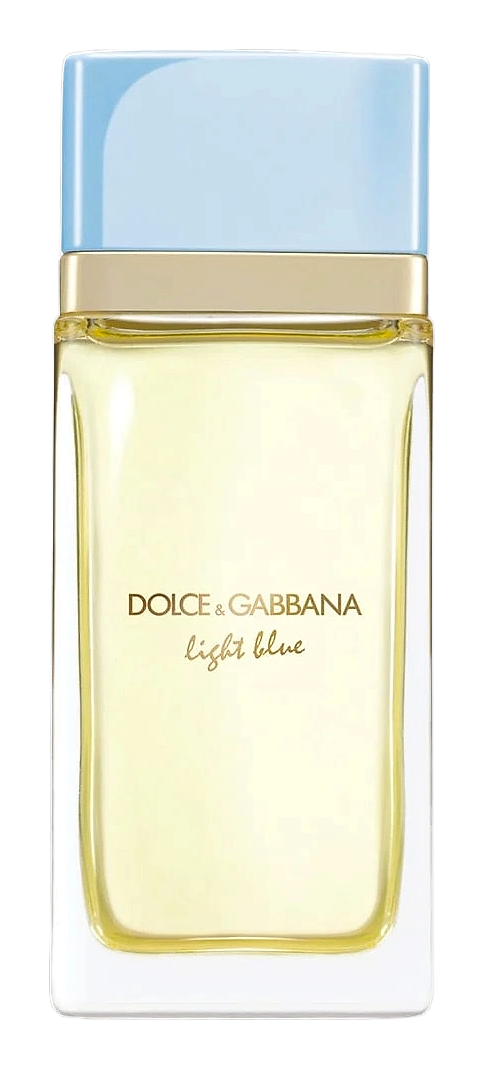
Available since 2018, Nectarina da Andaluzia taps into the perennial appeal of fruity-floral freshness within a house that has historically favored Amazon botanicals over mainstream citrus. Enthusiasts consistently gravitate toward it in daytime contexts, establishing it as a daily, approachable wear rather than an evening statement. Those drawn to it often arrive via comparisons to CK One (1994) and Dolce & Gabbana Light Blue (2001), positioning it as an accessible alternative for those wanting a similar citrus-fresh template with its own quiet character.