
The Story
Why it exists.
The beginning
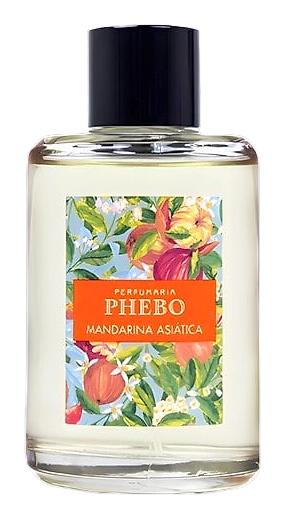
Phebo, founded in 1930 in Belém at the mouth of the Amazon by Portuguese cousins Antonio and Mario Santiago, established its identity translating Brazilian jungle botanicals into European-style compositions. The house pursued a unique mission: South American flora meeting French structure. Mandarina Asiática, launched in 2020 under this lineage, continues that founding vision while exploring a more global citrus vocabulary. The fragrance honors both the Brazilian botanical heritage and a geographic inspiration drawn from Asian citrus traditions.
The note selection reflects Phebo's philosophy of sourcing Brazilian botanicals while drawing thematic inspiration from global citric traditions. Mandarina Asiática pairs mate, a quintessential South American ingredient with its earthy, slightly bitter character, with ginger, grapefruit, and mandarin orange that reference Southeast Asian and East Asian citrus cuisine. Cardamom bridges these worlds with its aromatic complexity found across both Indian and Latin American traditions.
The evolution
The fragrance opens with ginger as its boldest statement, a rhizome that carries warmth and spice rather than the typical cool fresh citrus expected in an Asian-citrus themed scent. Grapefruit and mandarin orange follow, their combined tart-sweet brightness creating immediate sensory appeal. As the fragrance evolves, cardamom emerges in the heart, introducing aromatic complexity that feels simultaneously exotic and grounding. Lemongrass contributes a grassy, Thai-kitchen authenticity that distinguishes the composition from standard citrusanias, while petitgrain bitter-leafy nuance prevents over-sweetness. The drydown brings amber's warm resin, mate's earthy South American botanica, and musk's clean finish, achieving a trajectory that moves from vivid citrus brightness through aromatic complexity to contemplative warmth.
Cultural impact
Mandarina Asiática emerged at a time when Brazilian perfume houses were seeking to blend local botanical heritage with global citrus trends, positioning the scent as a cultural bridge. Its mandarin orange and grapefruit top notes echo the tropical fruit markets of São Paulo, while the ginger and mate heart reference Brazil’s spice trade routes. Launched in 2020, the fragrance arrived amid a resurgence of interest in South American perfumery, inviting consumers to experience a scent that feels both familiar and exotic.