The Story
Why it exists.
The beginning
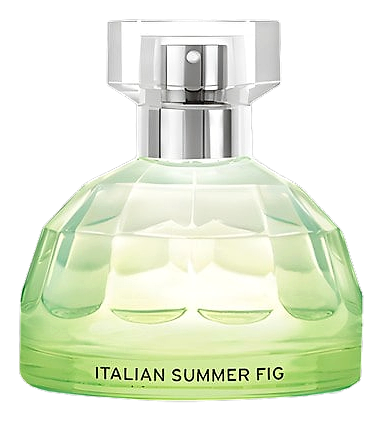
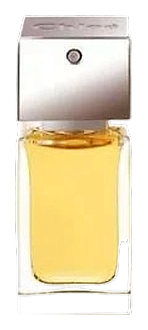
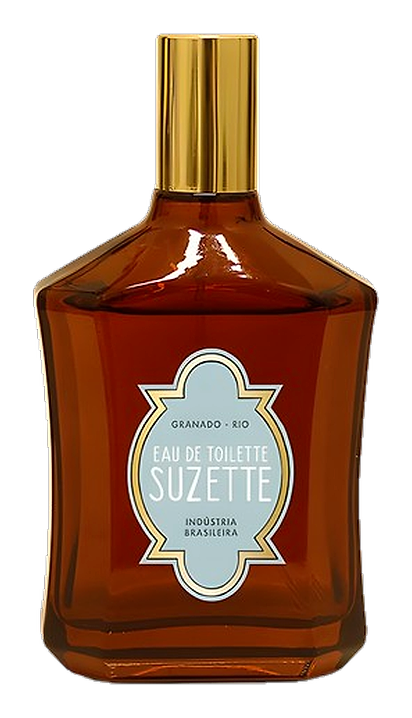
Granado named this one Suzette, a name that sounds like a person who knows exactly who she is. The brief was simple: take fig in a new direction. Not the creamy fig of so many fragrances, but the green, slightly bitter freshness of the fig blossom itself. Green apple and violet leaf amplify that crispness, while florals like magnolia, freesia, and lily of the valley keep it grounded in something warm. The overall effect is bright and confident, a fragrance that opens with a clear statement and settles into something quietly inviting.
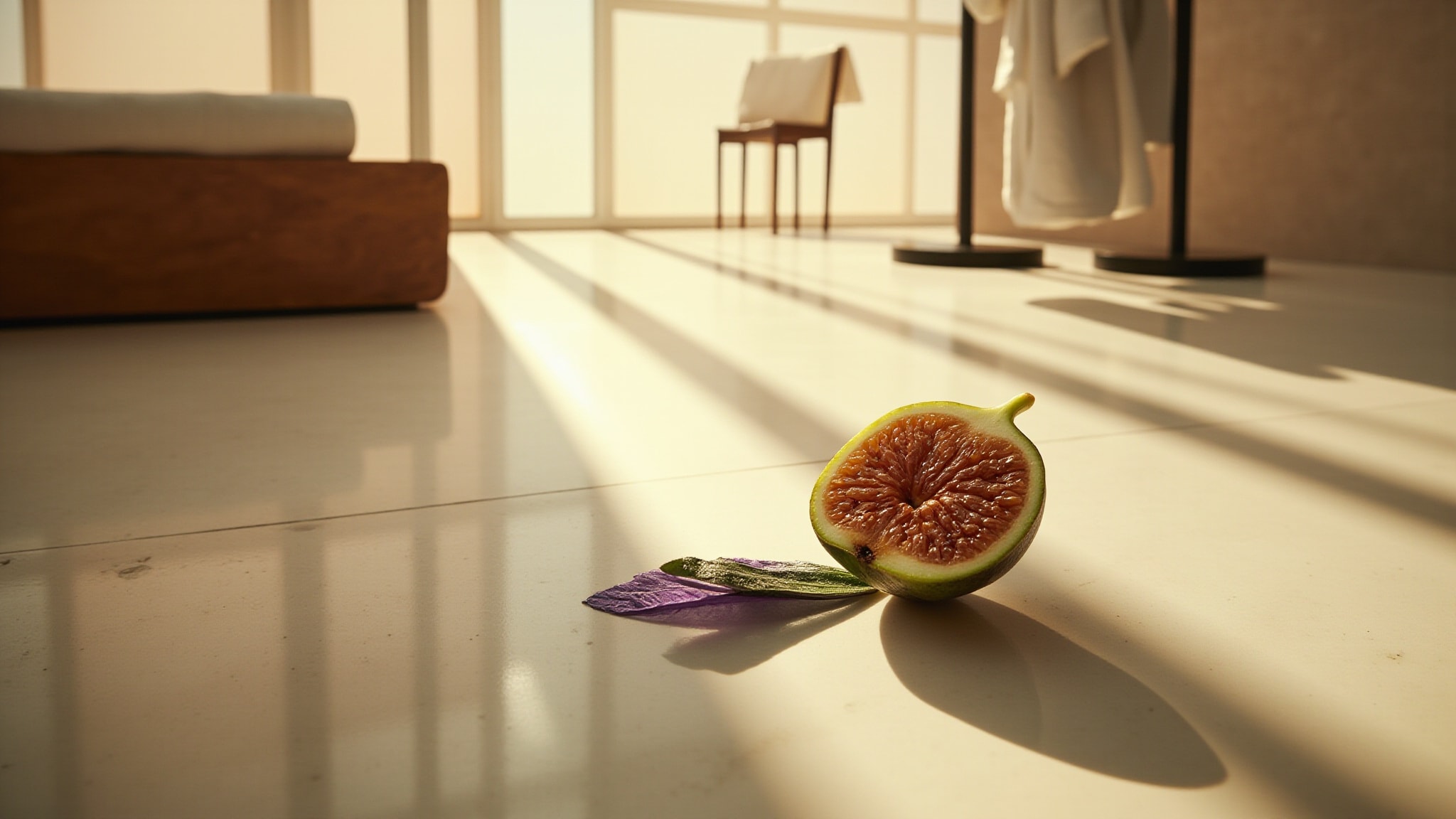
What makes Suzette interesting is that fig note. In perfumery, fig usually means either the ripe fruit (sweet, almost coconut-like) or the leaves (green, slightly bitter). Granado went for the blossom, the moment before the fruit forms, when the flower is still holding its shape. That gives Suzette a freshness that doesn't ripen into sweetness. The green apple reinforces that: sharp, clean, almost orchard-morning.
The evolution
The opening unfolds with green apple and fig blossom doing a quick, bright dance before the florals arrive. Magnolia appears first, then freesia, and lily of the valley joins quietly. The transition is not dramatic. It is more like a conversation turning to a softer topic. The sandalwood and amber base arrives to provide warmth and skin-like comfort, while the musk keeps the drydown from disappearing entirely. This is a fragrance that leaves quietly, a gentle presence that lingers without ever needing to demand attention.
Cultural impact
Suzette sits comfortably in the space between daytime wear and something you would reach for on a warm evening. The high proportion of natural origin ingredients resonates with those who read labels carefully, and the moderate sillage makes it approachable for anyone who prefers presence without projection. It is a fragrance that feels right for someone who values subtlety and wants a scent that feels personal rather than performative. The overall effect invites discovery without announcing itself.