
The Story
Why it exists.
The beginning
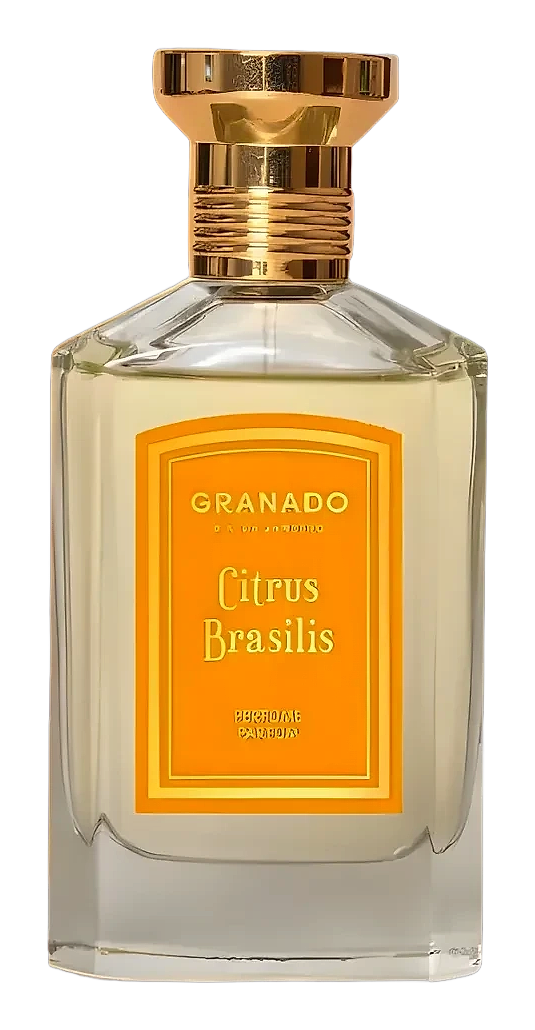
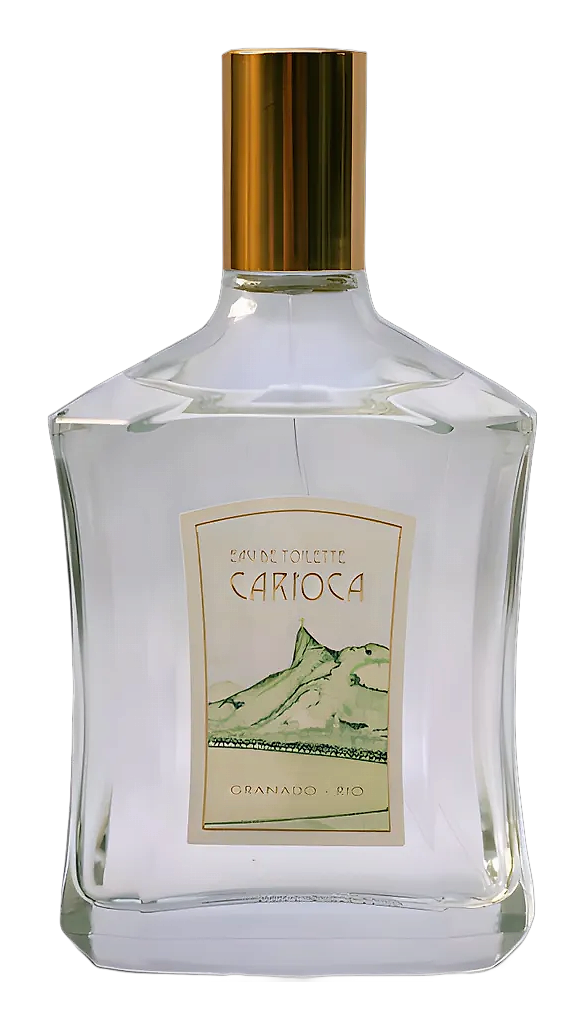
Granado has occupied the same apothecary space in Rio de Janeiro since 1870, making it Brazil's oldest continuously operating pharmacy. The brand draws its identity from that heritage, presenting fragrances through a lens of botanical precision and old-world craft. Carioca arrived in 2015, named for the district synonymous with Rio's cultural pulse and energy. The fragrance was built to translate that spirit into a wearable citrus-floral composition, rooted in the brand's history of blending European perfumery technique with Brazilian raw materials.
The note selection in Carioca reflects a deliberate choice to keep the fragrance bright and approachable rather than opulent. Granado favors florals that breathe, pairing them with citrus elements that feel natural rather than synthetic. The drydown is kept deliberately soft, with Musk and Sandalwood chosen for their skin-close quality rather than dramatic projection. The result is a fragrance that reads as effortlessly composed, suitable for daily wear but with enough nuance to reward close attention.
The evolution
The scent journey of Carioca is designed to mirror the rhythm of a Rio neighborhood. It opens with an immediate citrus spark from Bergamot and Lime, a nod to Brazil's abundance of tropical citrus. Freesia settles in quickly, tempering the zest with a clean floral note that signals the transition to come. The heart of Violet, Lily of the Valley, and Jasmine unfolds like a garden in the afternoon, each blossom layering into a soft, powdery bouquet that feels both intimate and open. The drydown of Musk, Tonka Bean, and Sandalwood brings the composition back to earth, wrapping the wearer in a warmth that feels grounded and sustained, the kind that lingers pleasantly for hours without announcing itself.
Cultural impact
Carioca occupies a specific space in the Brazilian fragrance landscape, accessible enough for daily wear, with a powdery floral character that offers freshness without relying on the aquatic or marine trends that have dominated the category. It performs consistently across seasons, particularly well suited for spring and summer. The scent resonates with wearers who want something distinctive, capturing a sense of place without falling back on tropical fruit clichés.