Green Apple
The scent of biting into a perfectly crisp Granny Smith, captured through chemistry. Green apple is a signature synthetic note in modern perfumery, prized for its fresh, tart vitality that lifts everything it touches.
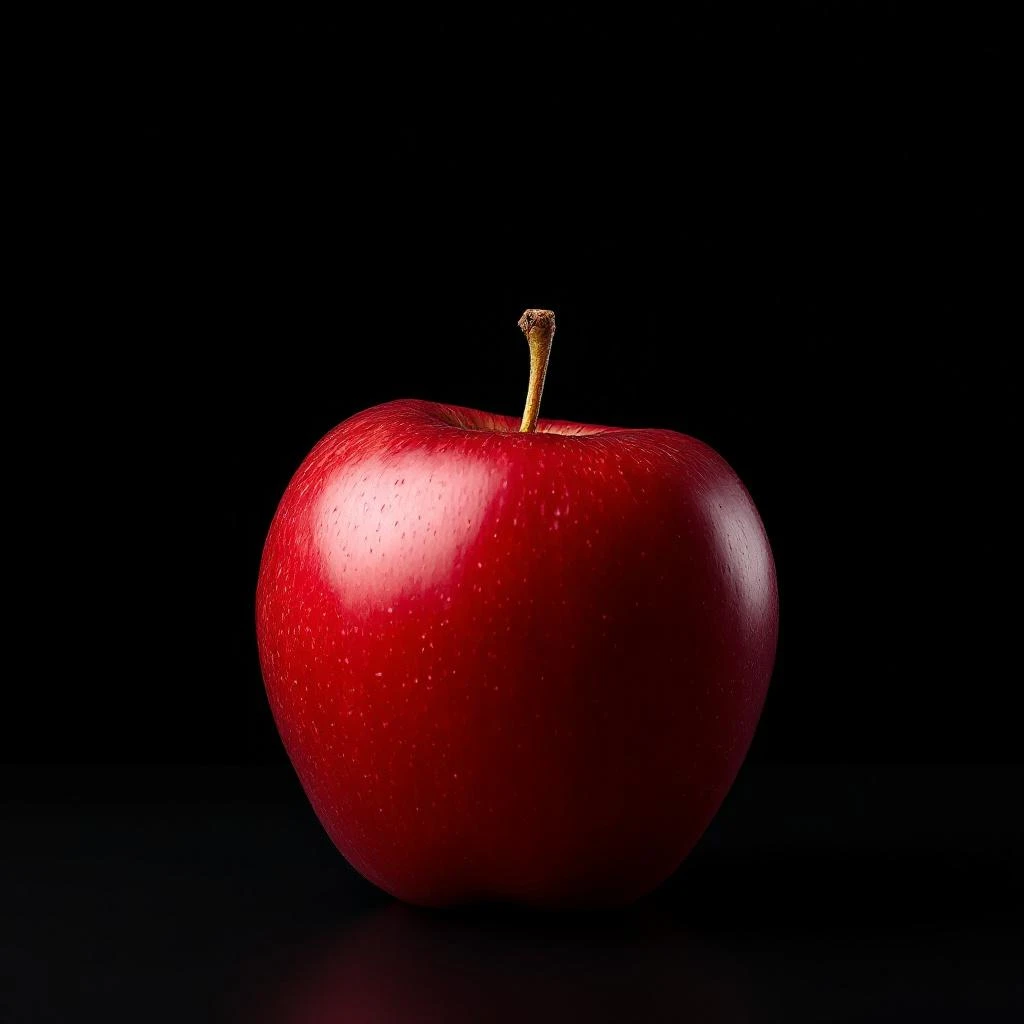
Character
How it smells
Fresh-cut apple skin, captured in a bottle.
The characteristic green apple scent comes from compounds like cis-3-hexenyl acetate, a molecule so potent that only trace amounts are needed to create the effect.









Origin
France
Apple trees originated in Central Asia, where wild Malus species first grew in the mountain forests of Kazakhstan and Kyrgyzstan. Humans carried apple seeds along the Silk Road, spreading the fruit across Europe and eventually worldwide.
However, extracting usable fragrance from apple fruit proved impossible due to vanishingly low aromatic compound concentrations. When synthetic fragrance chemistry emerged in Paris between 1889 and 1921, perfumers gained access to laboratory-created aroma molecules that nature could not provide.
The green apple accord developed over the following decades, becoming a cornerstone of fresh, aquatic, and fruity fragrance families. Today, green apple appears in countless fragrances from designer houses to indie perfumers, valued for its ability to inject vitality and immediacy into compositions without the instability of natural materials.
Wears it best
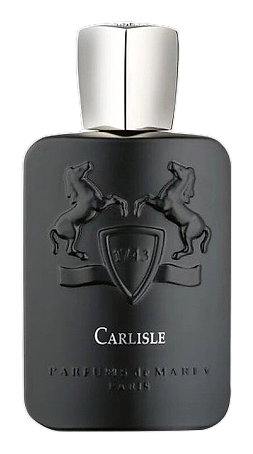
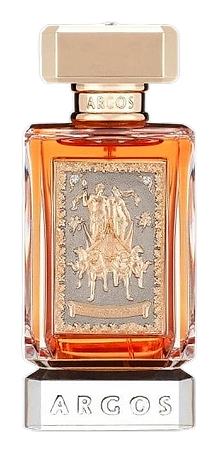
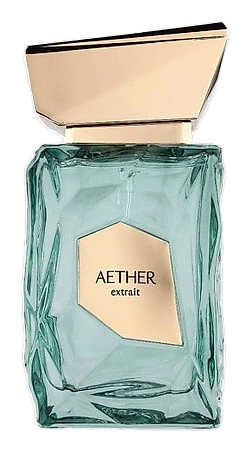
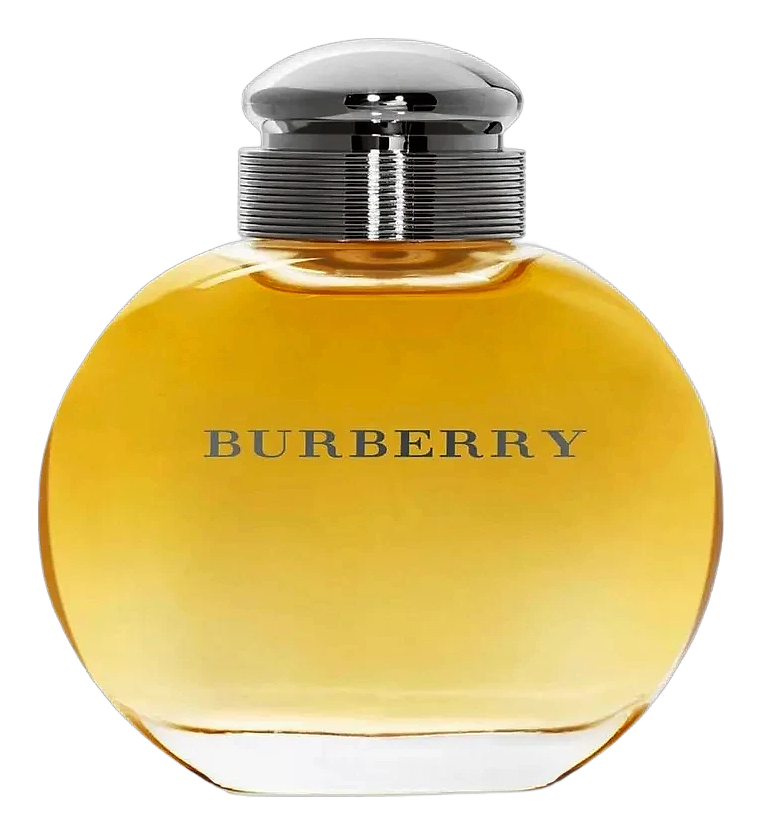
Fragrances featuring Green Apple
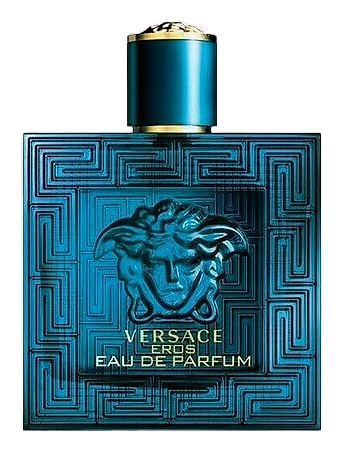
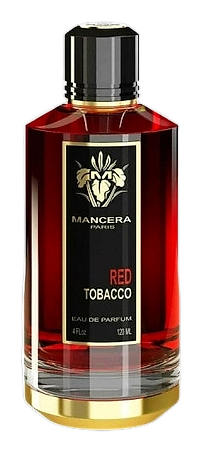
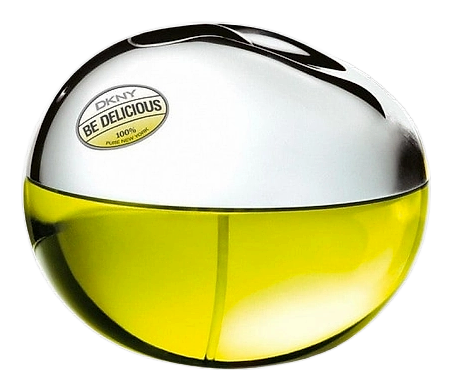
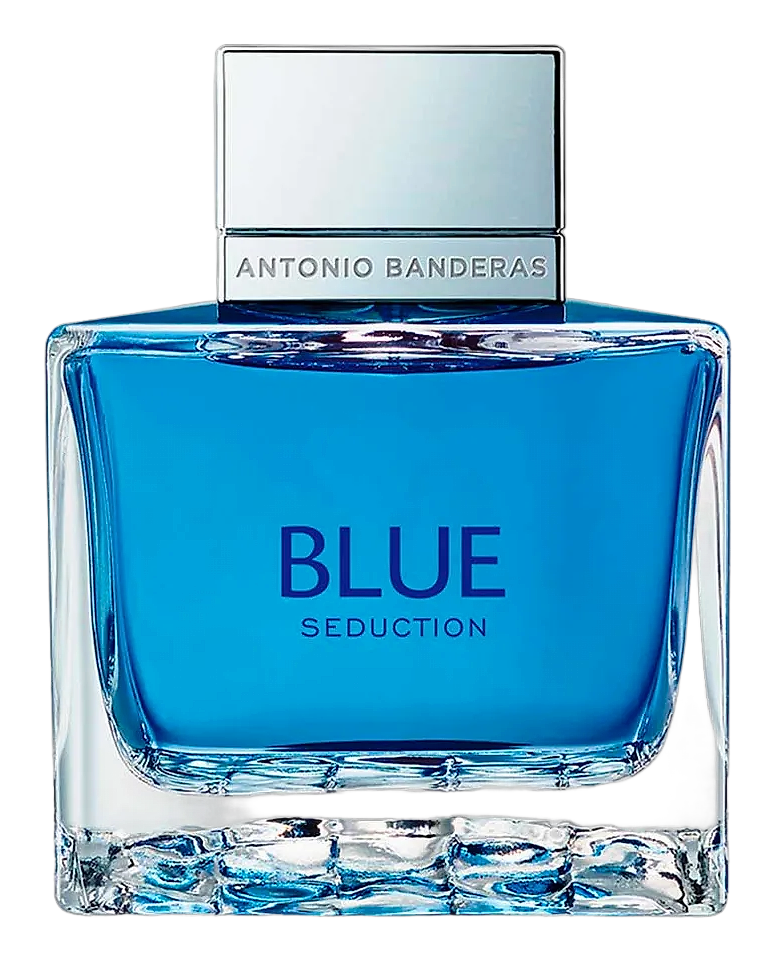

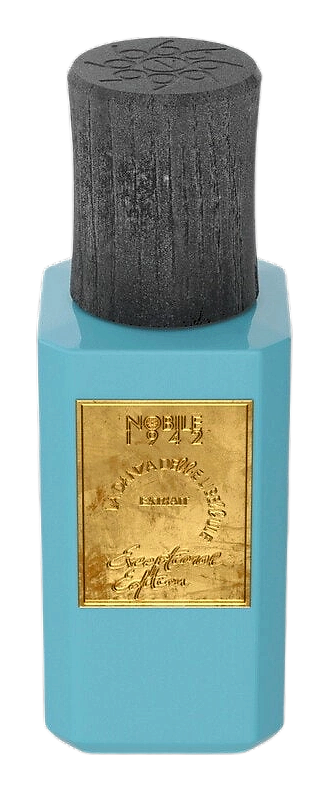
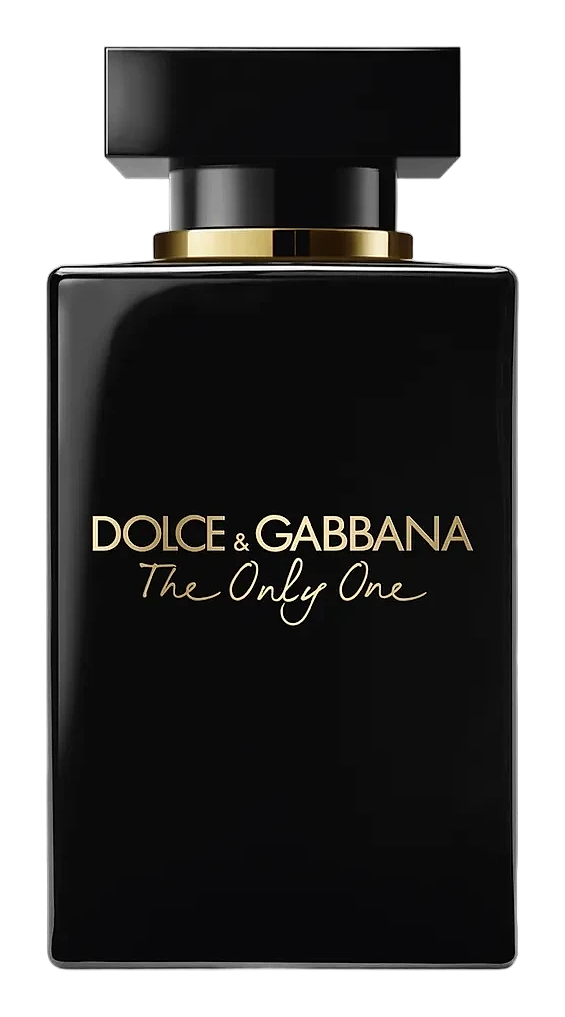
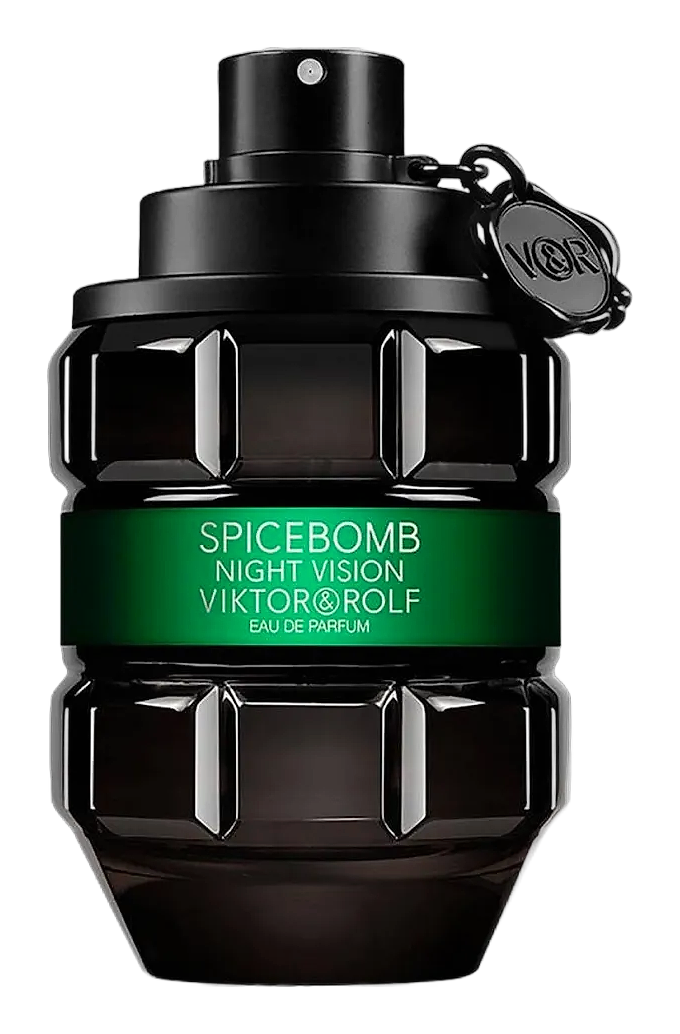
Brands
Brands known for Green Apple
Good to know
Questions, answered
The essentials on Green Apple in perfumery: how it smells, where it comes from, and how it behaves on skin.
Is green apple a natural or synthetic ingredient?
Green apple is almost exclusively synthetic in perfumery. Natural extraction from apple fruit is not commercially viable due to the low concentration of aromatic compounds in Malus domestica.
What chemical compounds create green apple scent?
The primary compound is cis-3-hexenyl acetate, which provides the characteristic fresh-cut apple skin aroma. Supporting materials like hexyl acetate add fruity sweetness and 2-methylbutyl acetate contributes tartness.
What does green apple smell like?
Green apple smells like biting into a crisp, slightly tart apple. It combines fresh green freshness with juicy fruit character, dominated by the sensation of crisp apple skin rather than sweet apple flesh.
What fragrance families use green apple?
Green apple appears frequently in fresh, aquatic, fruity, and green fragrance families. It works particularly well in top notes, where its crisp character creates an immediate, inviting opening.
How long has green apple been used in perfumery?
Green apple accords became possible after synthetic chemistry emerged in Paris between 1889 and 1921. The note became increasingly popular through the 20th century and remains a modern staple.
Is green apple safe to use in perfumes?
When properly formulated by IFRA standards, green apple materials are safe for cosmetic and perfume use. Modern fragrance formulations using these synthetics undergo rigorous safety assessment.
What other notes pair well with green apple?
Green apple combines naturally with citrus, mint, aquatic notes, and light florals like lily of the valley. It also complements other fruity notes like pear, peach, and melon.
Why do perfumers use synthetic green apple instead of natural alternatives?
No viable natural alternative exists. Synthetic green apple materials offer consistency, longevity, and precision that natural extracts cannot provide, allowing perfumers to control exactly how the note behaves in a formula.