








The Heritage
The Story of Phebo
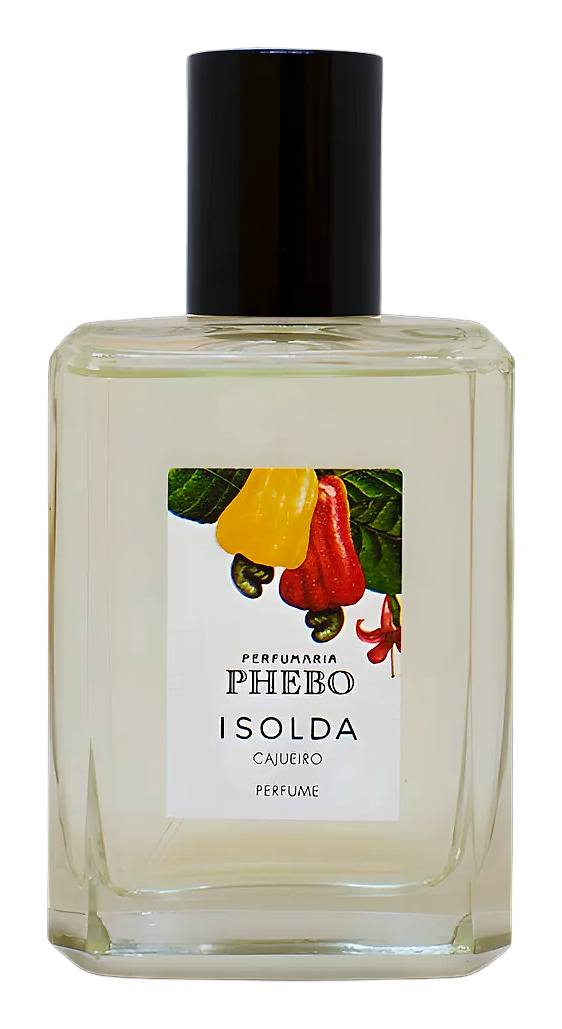
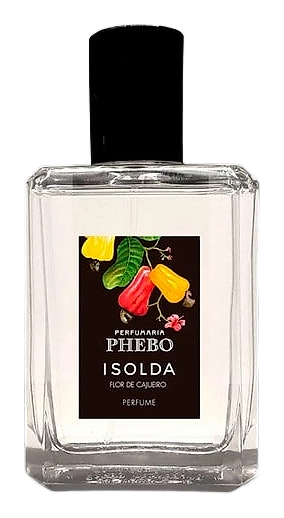
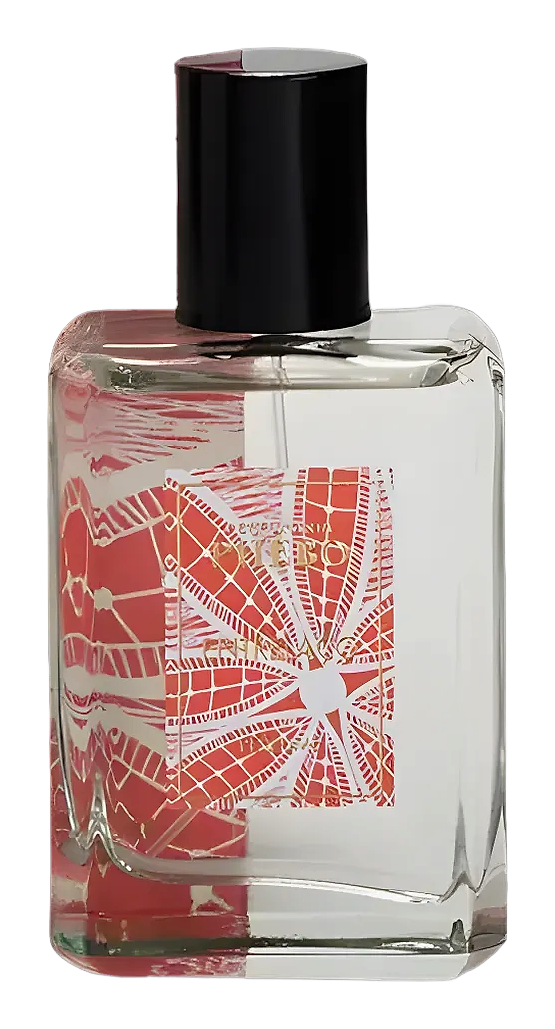
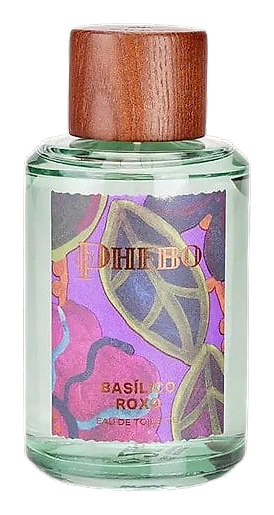
Phebo is a Brazilian perfume house rooted in the Amazon city of Belém. Founded in 1930 by Portuguese cousins Antonio and Mario Santiago, the brand has built a catalogue that draws on the region’s rich botanical heritage. Its scents—such as Basílico Roxo (2026), Entrelaço (2025) and Isolda Cajueiro (2018)—mix native ingredients with classic French‑style structure, offering a bridge between South American flora and global perfumery trends. Today Phebo operates under the umbrella of Granado Pharmácias, preserving the original ethos while reaching a new generation of scent explorers.
Heritage
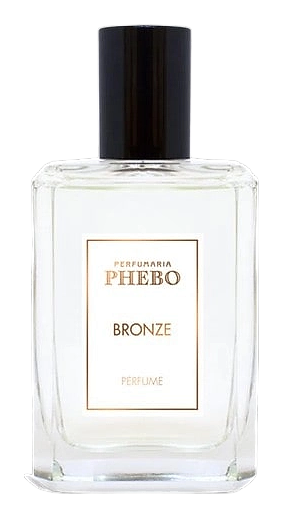
The story of Phebo begins in 1930 when Antonio and Mario Santiago, recent arrivals from Portugal, opened a small perfumery in Belém, the gateway to the Amazon rainforest. Their aim was to translate the vivid aromas of the jungle into bottled form, a vision that resonated with a Brazil eager for locally produced luxury goods. By the late 1930s the house had introduced a line of eau de toilettes that featured extracts of Brazil nut, rosewood and tropical citrus, positioning Phebo as one of the nation’s earliest fragrance producers. In the post‑war era the brand expanded its distribution to Rio de Janeiro and São Paulo, while maintaining a modest workshop in Belém where artisans blended each batch by hand. A 2004 profile in The Perfume Society highlighted Phebo as Brazil’s first luxury perfumery and noted that Granado Pharmácias, a historic pharmacy founded in 1870, acquired the brand to safeguard its heritage. The acquisition sparked a revival of archival formulas and prompted the launch of new collections that reference Amazonian ecosystems, such as the 2018 Isolda Cajueiro, a tribute to the Brazil nut tree. Recent years have seen a steady stream of releases—Folhas de Menta (2022), Bronze Intenso (2021) and a series of 2026 eau de toilettes—each reinforcing the house’s commitment to botanical authenticity while embracing contemporary olfactory trends. Phebo’s centennial journey reflects a balance between tradition and renewal, anchored in a region whose scents have inspired generations of perfumers.
Craftsmanship
Production at Phebo combines artisanal hand‑blending with modern quality controls. Raw botanical extracts are sourced from certified farms in the Amazon basin, where growers follow agro‑forestry practices that preserve biodiversity. The house works directly with cooperatives that harvest Brazil nut, copaiba, and açaí, ensuring traceability from forest to flask. Once the ingredients arrive in the Belém workshop, master blenders weigh each component on precision scales, then stir the mixture in temperature‑controlled vats for several hours to achieve equilibrium. After maceration, the perfume is filtered through stainless‑steel meshes to remove particulates, then aged in oak barrels for a period that varies by formula. Quality assurance includes gas‑chromatography analysis to verify the concentration of key aroma molecules, as well as sensory panels that evaluate consistency across batches. Bottling occurs on site, with each bottle sealed under nitrogen to protect volatile notes. The entire process reflects a commitment to preserving the integrity of natural ingredients while meeting the rigorous standards expected of a historic perfume house.
Design Language
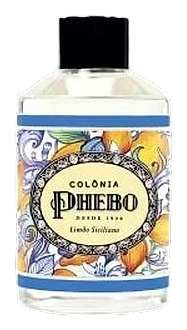
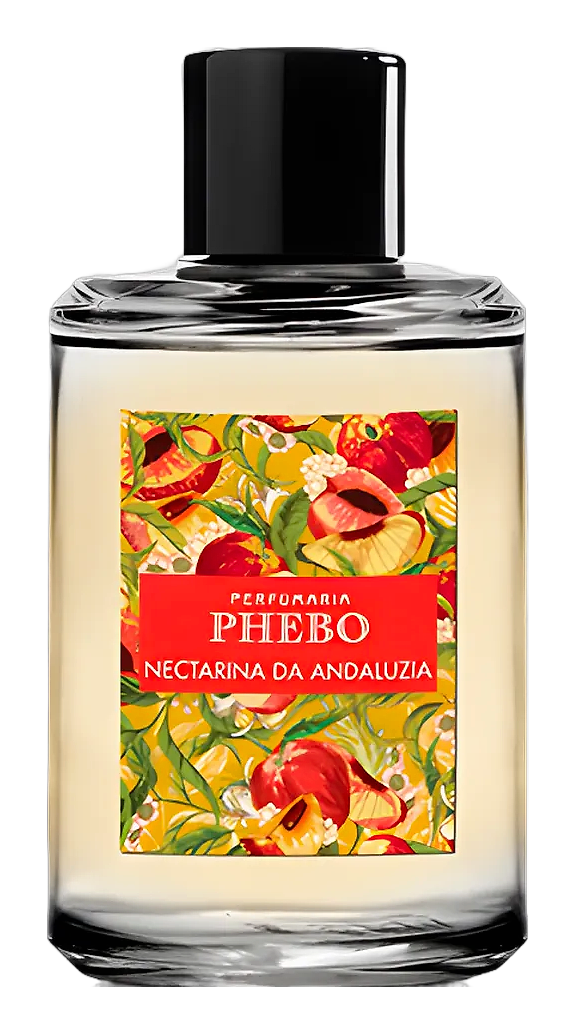
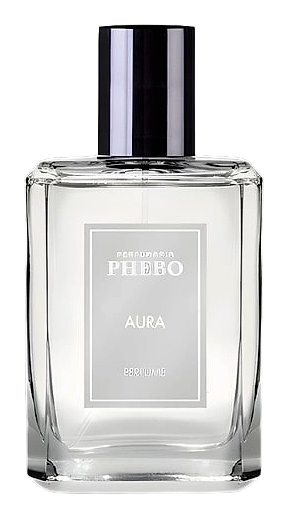
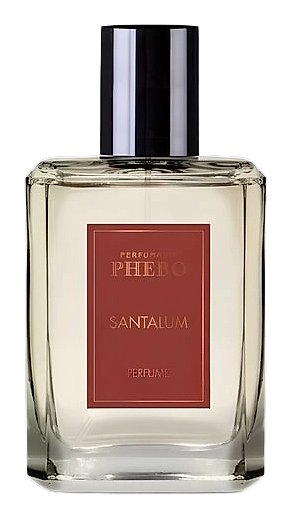
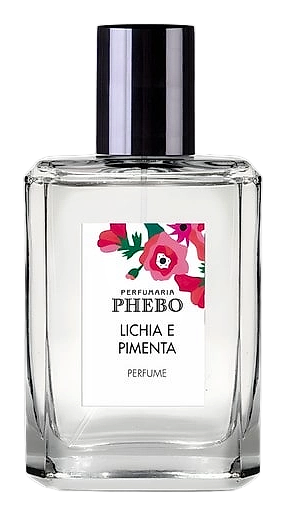
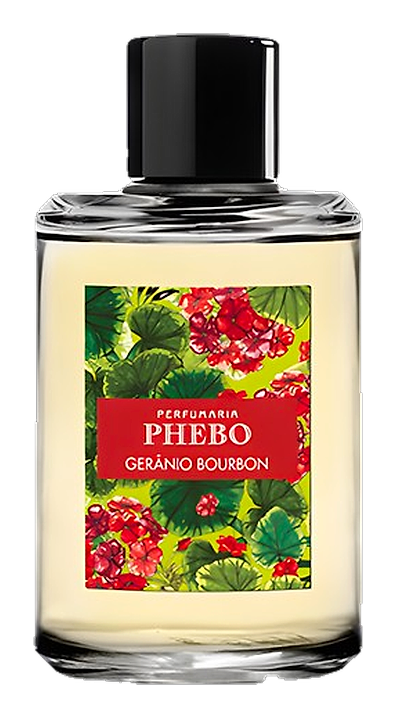
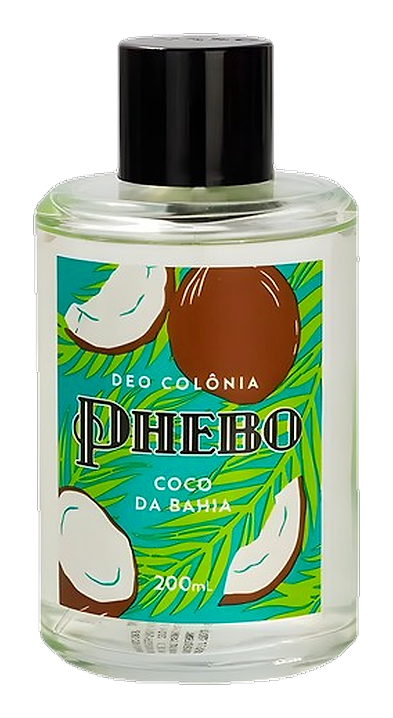
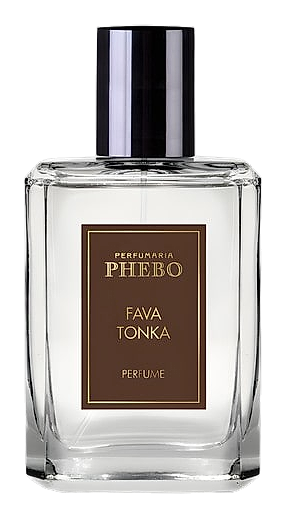
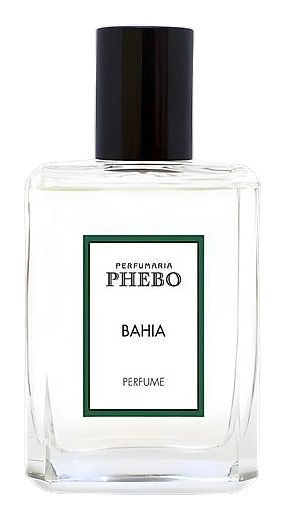
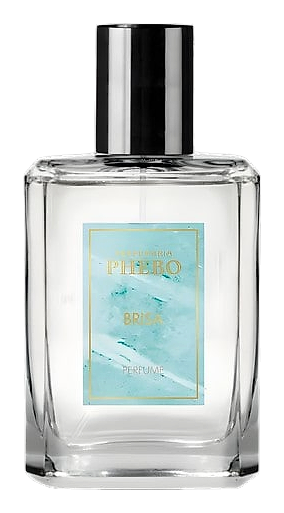
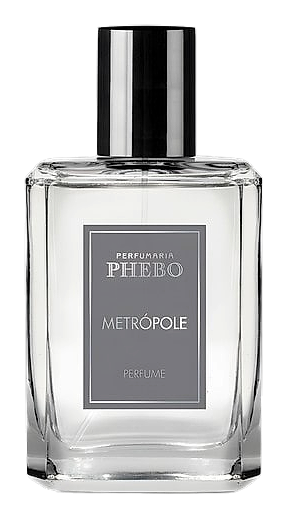
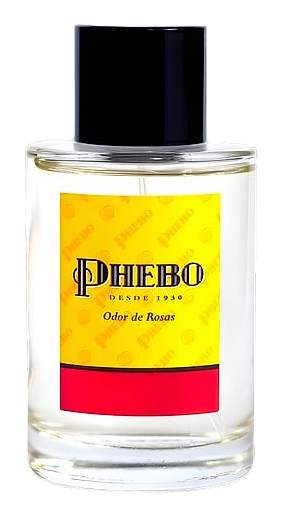
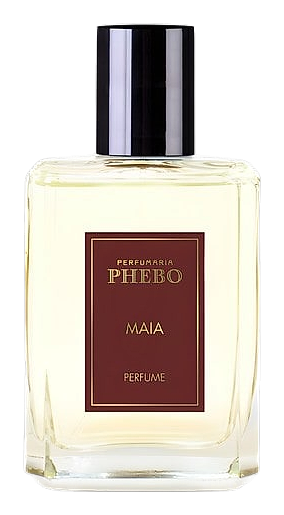
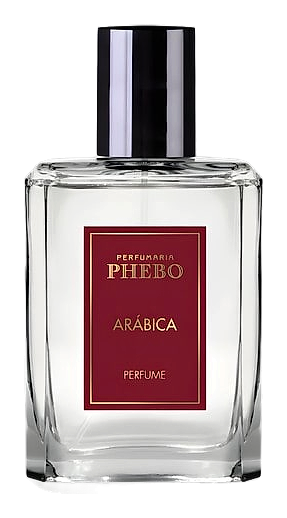
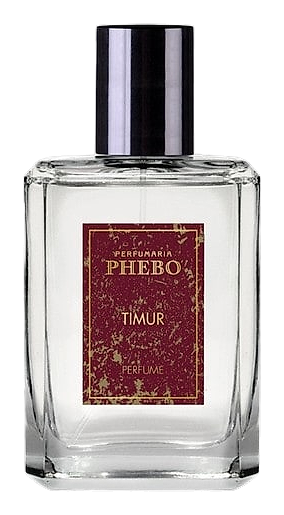
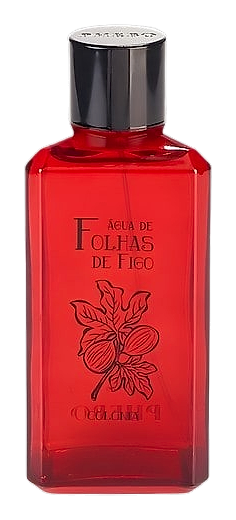
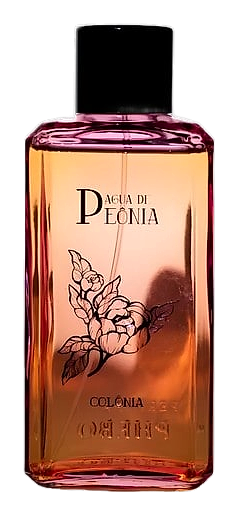
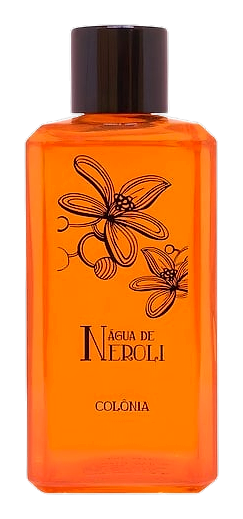
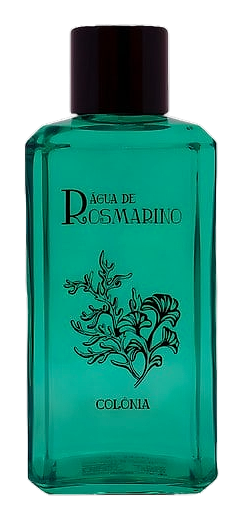
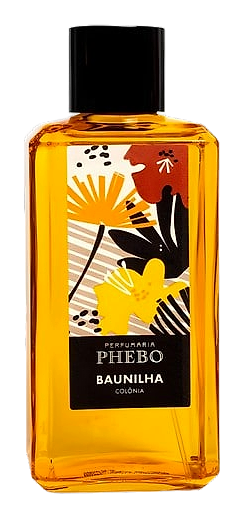
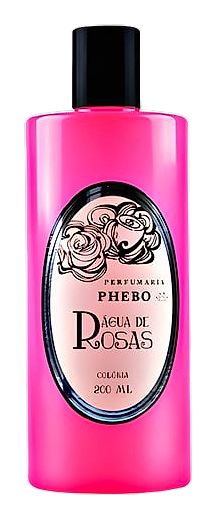
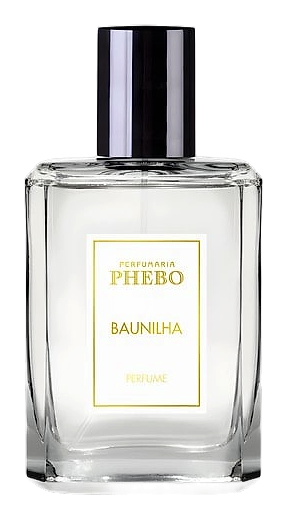
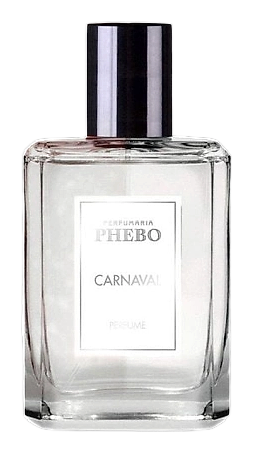
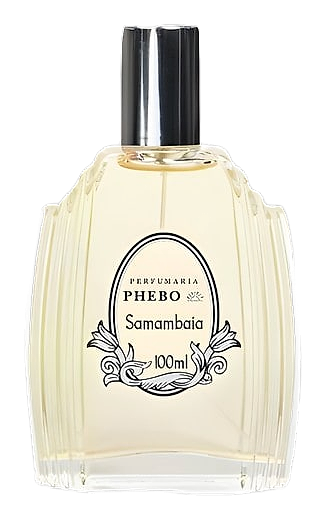
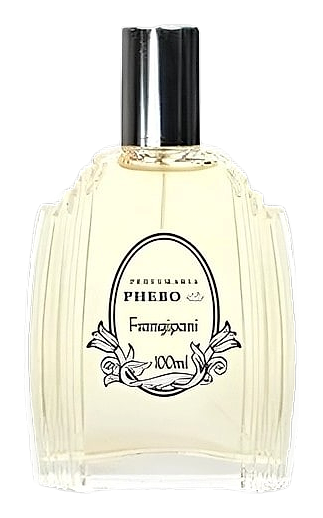
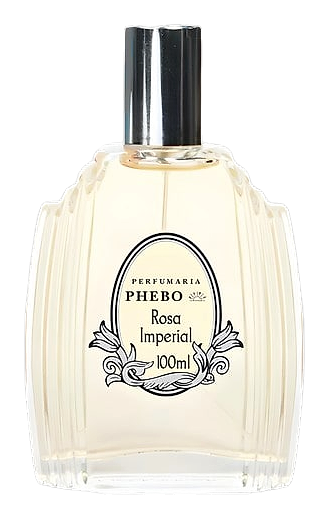
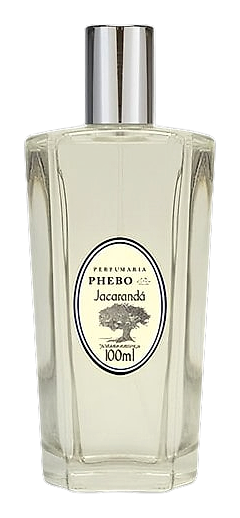
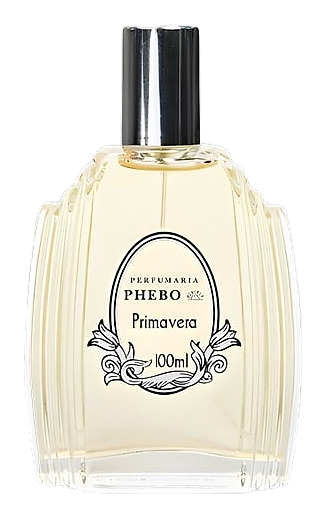
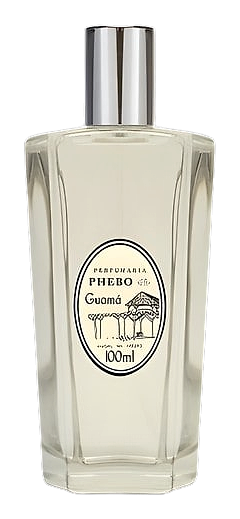
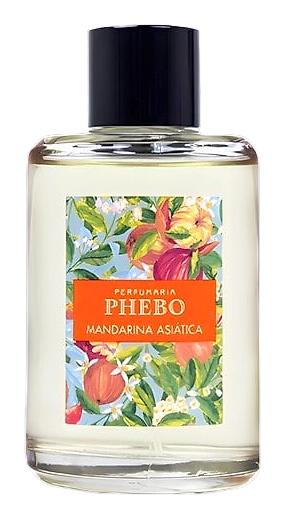
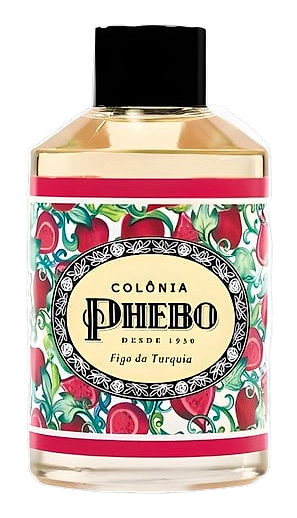
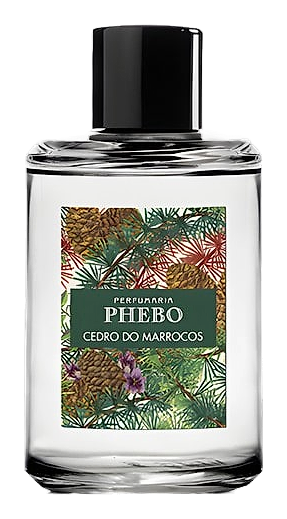
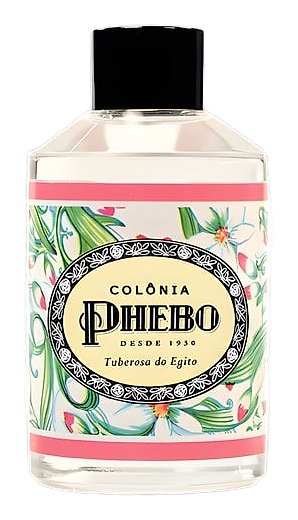
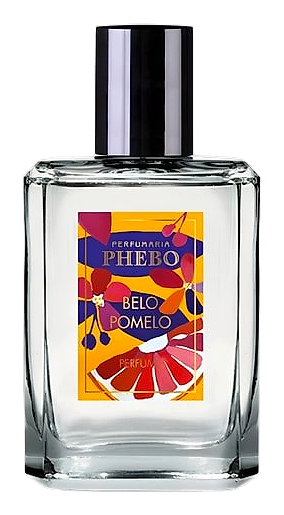
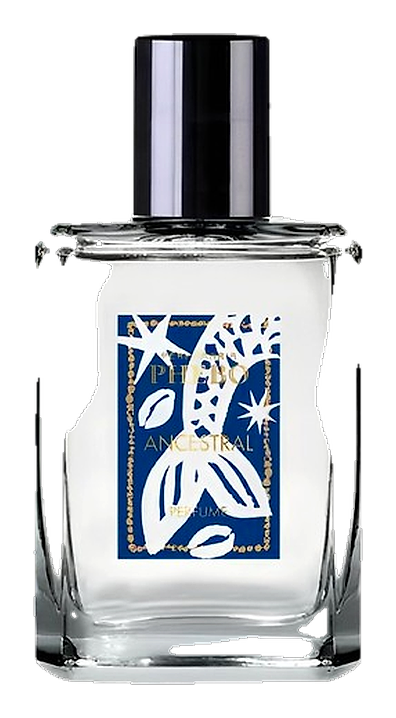
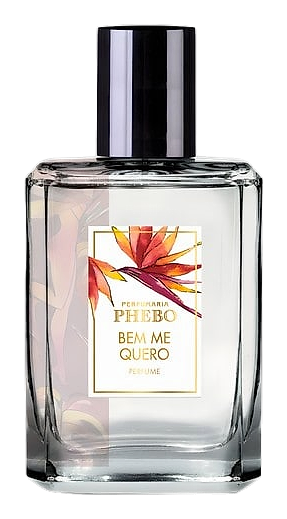
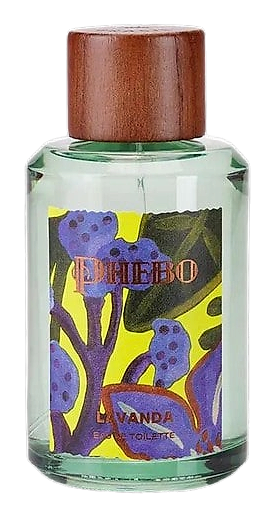
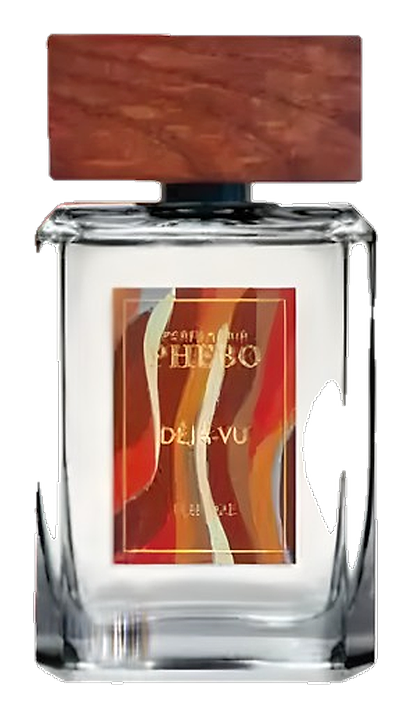
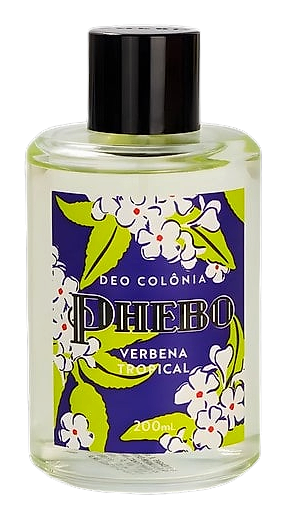
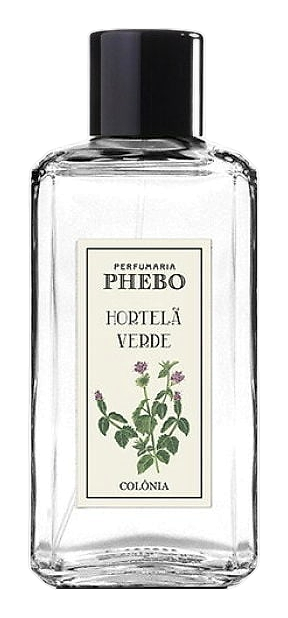
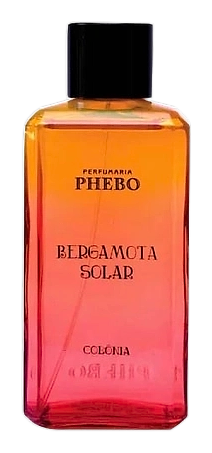
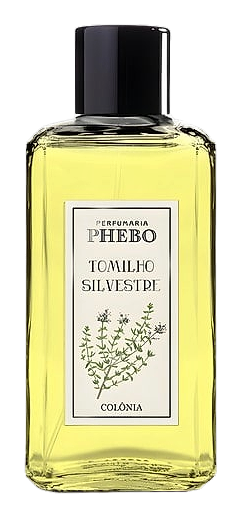
Visually, Phebo draws on the colors and motifs of the Amazon. Early bottles featured emerald green glass capped with brushed gold, evoking the forest canopy and riverine sunlight. Modern releases retain this palette but introduce cleaner lines and matte finishes, signaling a contemporary reinterpretation of the brand’s heritage. Labels often display stylised illustrations of native plants—such as the Brazil nut or mint leaf—rendered in a hand‑drawn style that references the house’s artisanal roots. The typography combines a classic serif with subtle curvature, suggesting both tradition and fluidity. Packaging materials are chosen for sustainability; many boxes are made from recycled cardboard and printed with soy‑based inks. Across its visual identity, Phebo balances elegance with an earthy sensibility, reinforcing the narrative that each scent is a distilled piece of the rainforest.
Philosophy
Phebo’s creative direction rests on a reverence for the Amazon’s natural palette. The house treats each fragrance as a field study, selecting raw materials that can be traced back to specific Brazilian biomes. This approach aligns with a broader Brazilian movement that values sustainability and cultural identity in scent creation. Rather than chasing fleeting trends, Phebo emphasizes longevity, allowing its compositions to evolve on the skin over many hours. The brand also prioritises transparency: ingredient lists are published whenever possible, and sourcing partnerships with local cooperatives are highlighted in product stories. By marrying scientific rigor with artistic intuition, Phebo seeks to craft aromas that feel both familiar and exploratory, inviting wearers to experience a fragment of the rainforest without compromising ecological responsibility. The philosophy extends to the brand’s relationship with its audience, encouraging a slow‑perfume mindset where each bottle is savoured rather than consumed rapidly.

Key Milestones
1930
Founding by Antonio and Mario Santiago in Belém, Pará
1940
First major fragrance line released, featuring Brazil nut and tropical citrus notes
2004
Acquired by Granado Pharmácias, prompting a heritage revival
2018
Launch of Isolda Cajueiro, a tribute to the Brazil nut tree
2022
Release of Folhas de Menta, expanding the green‑herb collection
2025
Entrelaço introduced, blending Amazonian florals with modern accords
At a Glance
Brand profile snapshot
Origin
Brazil
Founded
1930
Heritage
96
Years active
Collection
5
Fragrances released
Avg Rating
4.1
Community sentiment
Release Rhythm


