
The Story
Why it exists.
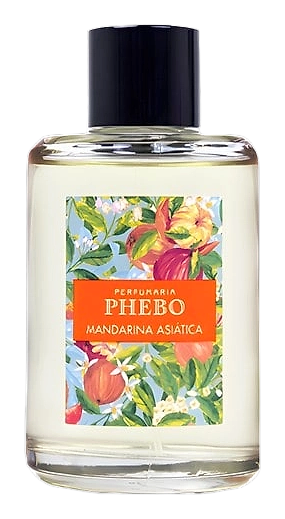
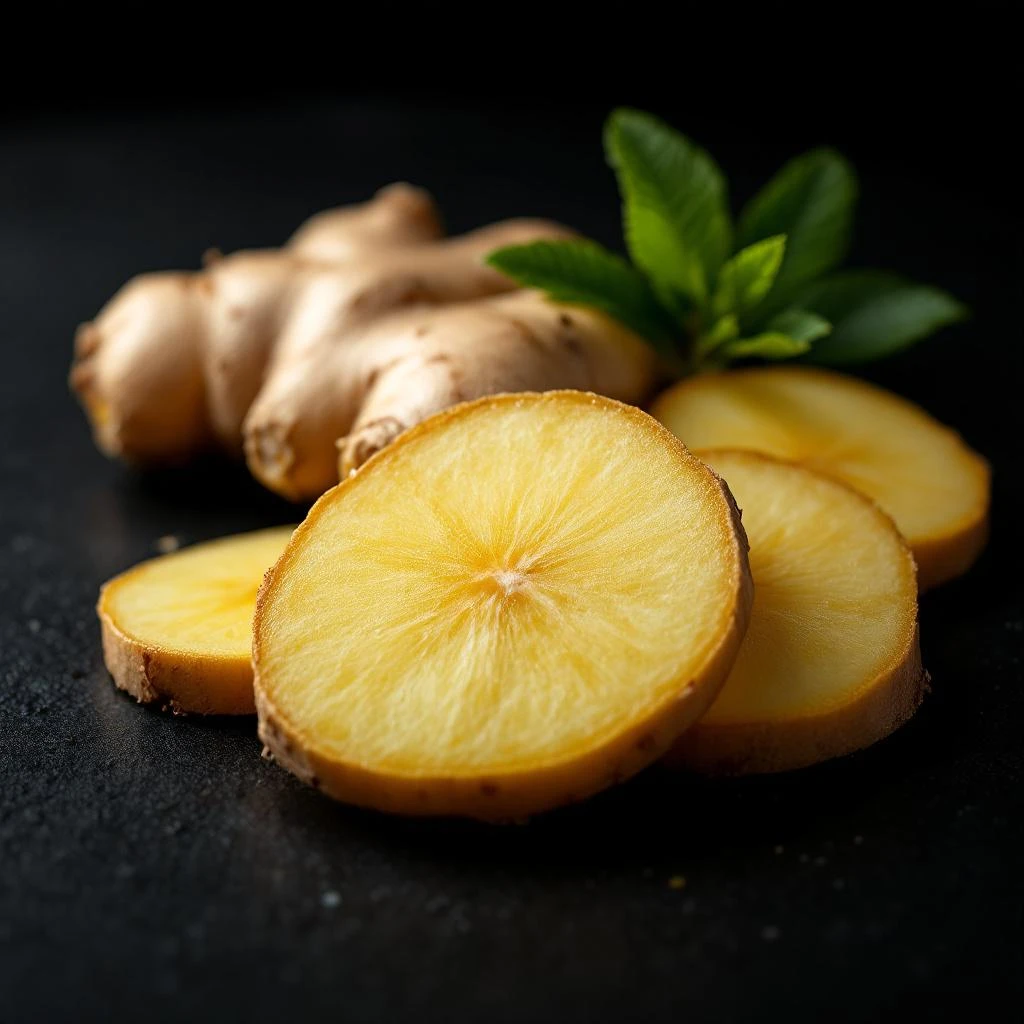
Phebo's 2020 Mandarina Asiática is part of a collection that steps outside the Amazon basin. The house built its reputation translating Brazilian jungle botanicals into bottled form, but this fragrance reaches eastward, to the mandarin groves of Asia, and pulls them into the Phebo universe. The name announces the destination plainly. Mandarin, citrus, Asia. It's a geographic statement as much as a note description, and it signals a house willing to expand its botanical map beyond its own backyard. Ginger, grapefruit, and mandarin open the top, a trio that announces itself without apology. Cardamom and lemongrass take over the heart, building an herbal complexity that most citrus fragrances skip entirely. The base anchors everything with amber, mate, and musk, grounding the brightness in something warm and lasting.
If this were a song
Community picks
Waters of March
João Gilberto
The Beginning
Phebo's 2020 Mandarina Asiática is part of a collection that steps outside the Amazon basin. The house built its reputation translating Brazilian jungle botanicals into bottled form, but this fragrance reaches eastward, to the mandarin groves of Asia, and pulls them into the Phebo universe. The name announces the destination plainly. Mandarin, citrus, Asia. It's a geographic statement as much as a note description, and it signals a house willing to expand its botanical map beyond its own backyard. Ginger, grapefruit, and mandarin open the top, a trio that announces itself without apology. Cardamom and lemongrass take over the heart, building an herbal complexity that most citrus fragrances skip entirely. The base anchors everything with amber, mate, and musk, grounding the brightness in something warm and lasting.
The combination of mate and musk in a citrus fragrance is not an obvious move. Mate carries a bitter, green quality that most perfumers avoid, it reads as medicinal if handled poorly, or as an herbal intrusion in a composition already built around freshness. Phebo works it into the base alongside amber and musk, letting the citrus and ginger open the composition, then allowing the mate to surface slowly as the brighter notes fade. The result is a fragrance that doesn't simply dissipate, it shifts. What remains after four hours is not just a memory of citrus. It's a warm, slightly bitter, herbal residue that justifies the sillage rating and gives the wear something to notice on their own skin late in the day.
The Evolution
The opening is immediate and confident. Mandarin orange arrives first, sweet and bright without the cloying edge that lesser mandarins carry. Grapefruit follows within seconds, adding a tart bitterness that sharpens the sweetness without fighting it. The ginger arrives third, and this is where Mandarina Asiática sets itself apart from the standard citrus formula. It doesn't blend into the background as a supporting note. It burns clean through the citrus, giving the opening a warmth that most fresh fragrances lack entirely. The transition to the heart phase takes roughly forty minutes, and this is where the fragrance earns its complexity rating. Lemongrass and petitgrain take over the foreground, replacing the citrus brightness with a green, slightly bitter herbal quality. Cardamom appears here, spiced, warm, unexpected, threading through the lemongrass in a way that stops the heart from reading as purely fresh. The composition feels like it has more layers than it should. In the drydown, the amber, mate, and musk surface together.
Cultural Impact
Mandarina Asiática emerged at a time when Brazilian perfume houses were seeking to blend local botanical heritage with global citrus trends, positioning the scent as a cultural bridge. Its mandarin orange and grapefruit top notes echo the tropical fruit markets of São Paulo, while the ginger and mate heart reference Brazil’s spice trade routes. Launched in 2020, the fragrance arrived amid a resurgence of interest in South American perfumery, inviting consumers to experience a scent that feels both familiar and exotic.
The House
Brazil · Est. 1930
Phebo is a Brazilian perfume house rooted in the Amazon city of Belém. Founded in 1930 by Portuguese cousins Antonio and Mario Santiago, the brand has built a catalogue that draws on the region’s rich botanical heritage. Its scents—such as Basílico Roxo (2026), Entrelaço (2025) and Isolda Cajueiro (2018)—mix native ingredients with classic French‑style structure, offering a bridge between South American flora and global perfumery trends. Today Phebo operates under the umbrella of Granado Pharmácias, preserving the original ethos while reaching a new generation of scent explorers.
If this were a song
Community picks
This fragrance sounds like late morning in warm weather, bright and energizing, but already settling into something more grounded. Citrus and ginger open like light breaking through a window; the herbal heart and mate drydown bring a quieter, more intimate register. Think sun-warmed skin, open windows, the kind of day that doesn't need to announce itself.
Waters of March
João Gilberto