

























Heritage
A house, in its own words
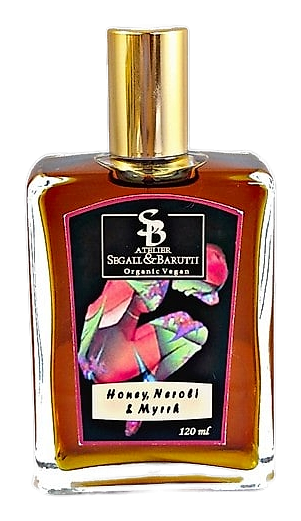
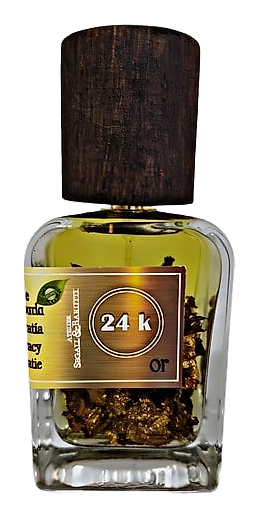
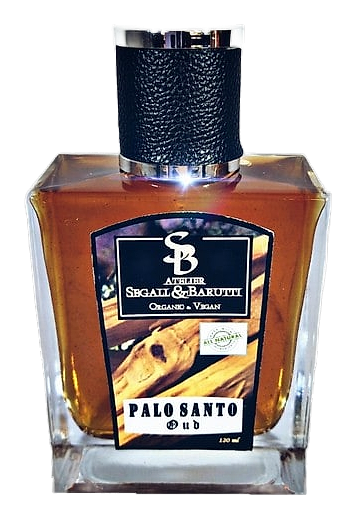
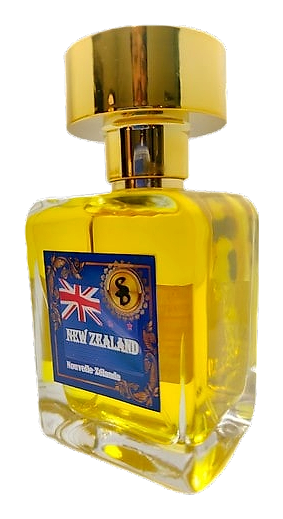
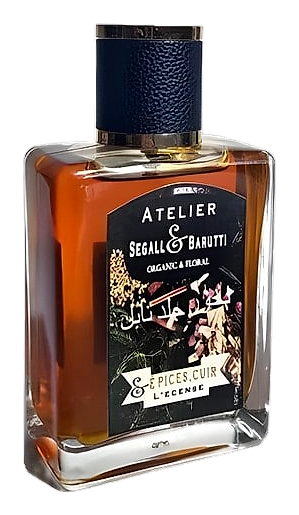
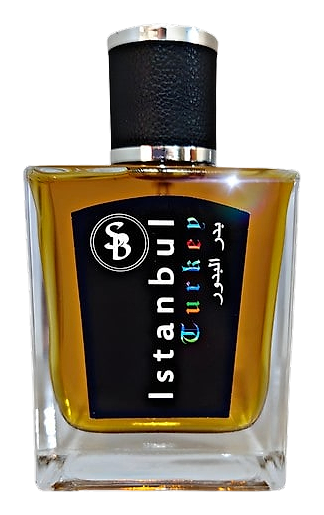
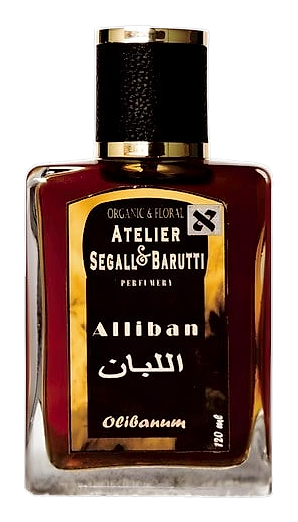
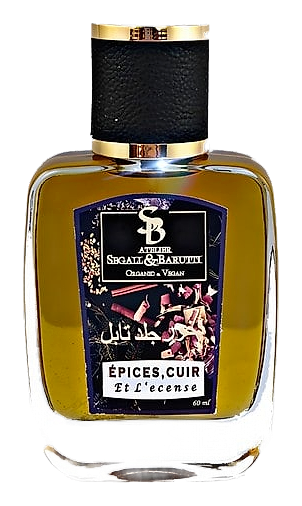
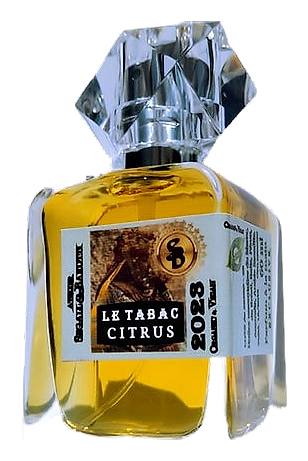
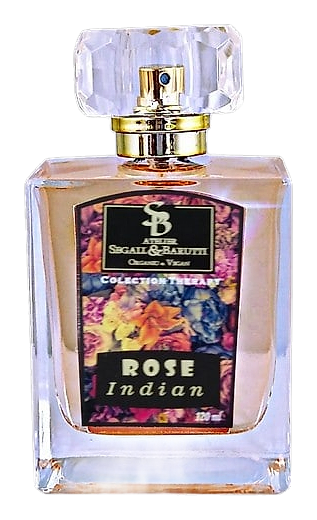
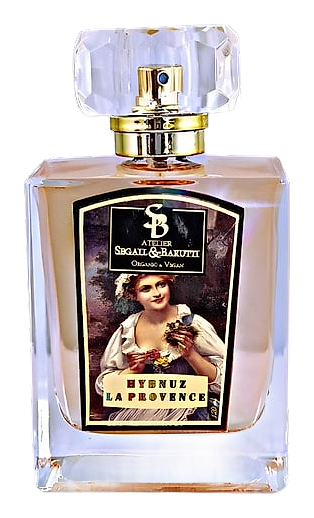
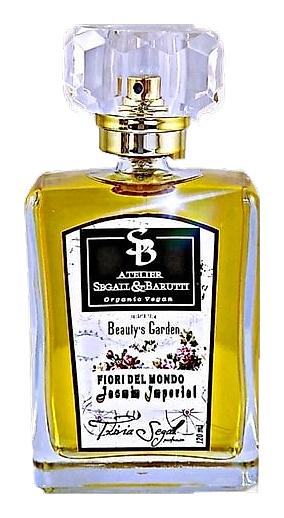
The public record of Atelier Segall & Barutti begins with a 1993 fragrance entry, indicating that the house was active at least by the early 1990s. While the brand’s own website does not publish a detailed founder biography, third‑party listings describe it as a national niche perfumery, suggesting a modest but focused operation within its home market. Over the next two decades the house expanded its portfolio steadily, reaching 87 perfumes by 2025. Early releases remain obscure, but the 2015 launch of Honey Neroli & Myrrh marked the first widely discussed offering, earning attention for its blend of sweet citrus and resinous myrrh. The following year the brand introduced Rose Indian, a floral that highlighted a regional rose variety and reinforced the house’s interest in terroir‑driven storytelling. 2017 saw two notable additions: Cipreste Quintessence, a woody aromatic that references Mediterranean cypress forests, and Hybnuz Provence, a tribute to the lavender fields of southern France. In 2021 the line grew with Jasmine Art of Scent and Nefertari, both of which were highlighted in niche fragrance forums for their complex layering. The most recent milestone, Cyprus (2022), uses native citrus and herbal notes to evoke the island’s landscape, confirming the brand’s ongoing commitment to place‑based inspiration. Throughout its history, Atelier Segall & Barutti has remained independent, avoiding large corporate ownership and maintaining a limited‑edition production model that appeals to collectors and connoisseurs alike. Atelier Segall & Barutti frames its creative vision around the idea of scent as a narrative device. The house treats each formula as a short story, choosing ingredients that can convey a specific memory or locale. This narrative‑first approach is paired with a willingness to experiment: the brand frequently combines aromatic families that mainstream houses keep apart, such as pairing bright neroli with deep myrrh or juxtaposing citrus from Cyprus with smoky incense. The philosophy also emphasizes respect for raw materials; the perfumers (though not publicly named) often travel to source regions to assess harvest quality and to understand the cultural context of the ingredients. Sustainability appears in the brand’s statements about using responsibly harvested botanicals and limiting batch sizes to reduce waste. Rather than chasing trends, the house prefers a timeless aesthetic, allowing each fragrance to stand on its own merits without reliance on seasonal marketing cycles. This stance has earned it a modest but loyal following among fragrance enthusiasts who value depth over immediacy.