The Story
Why it exists.
The beginning
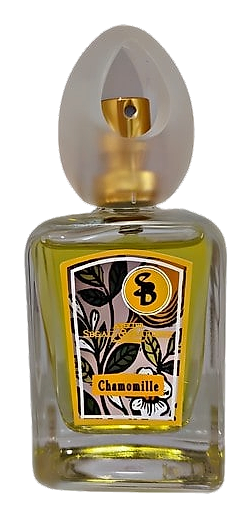
Tzivia Segall built Chamomille around a quiet conviction: an herb most people associate with bedtime tea deserves more than a cameo in a fragrance pyramid. In 2020, she placed Roman chamomile at the structural core of this composition, not as a fleeting opening act, but as the thread running through every phase. The result is a floral-herbal work that treats calm as a destination rather than a default setting. What could have tipped into clinical restraint stays alive because Segall anchored the chamomile to materials with real presence: hibiscus, immortelle, ylang-ylang. Each brings a different kind of warmth. Together they prevent the composition from going flat.
The choice to pair Roman chamomile with hibiscus is the composition's defining move. Hibiscus is one of the more challenging white florals, it's deep, almost syrupy, with a tartness that can tip into indolic territory on certain skin. Chamomile, with its cool, apple-sweet herbal character, acts as a counterweight. The tension between these two materials, herbal calm versus floral intensity, sets the tone for the entire pyramid. No single note dominates. Instead, the structure keeps negotiating between cool and warm, quiet and expressive.
The evolution
The opening arrives cool and slightly medicinal, chamomile asserting itself immediately, apple-sweet with a green bite that signals this isn't a conventional floral. Within minutes, hibiscus surges in, deep red and tart, and the composition shifts into something warmer and more complex. The transition is striking: the herb's restraint doesn't disappear but gets overtaken by floral richness, jasmine cream meeting ylang-ylang's tropical lushness, with lemon zest occasionally cutting through to keep things from going heavy. By the heart phase, the white florals have settled into a warm pulse, vanilla emerging softly beneath the sandalwood to add body without sweetness. This middle section is the longest and the most sustained, the part where the fragrance earns attention. The drydown arrives quietly. Musk and vetiver ground everything into something intimate and close to the skin, the projection fading to something perceptible only to someone standing nearby.
Cultural impact
Chamomille arrived in 2020 as a quiet rebuttal to how mainstream perfumery treats Roman chamomile, typically relegated to a fleeting top-note nod in mass-market teas and florals. Atelier Segall & Barutti, operating from Brazil since the early 1990s, positioned it differently. Per Tzivia Segall, the nose, chamomile here functions as a structural material, present from opening through drydown rather than evaporating in minutes. The house has built its reputation on exactly this kind of botanical recontextualization, turning ingredients people associate with calming teas into architectural fragrance elements.