
The Story
Why it exists.
The beginning
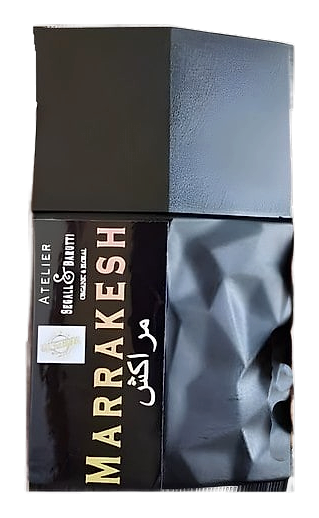
Marrakesh takes its name from Morocco's most aromatic city, where incense smoke drifts through medina alleyways and saffron colors everything it touches, from textiles to tea. Tzivia Segall built this fragrance inspired by that city's particular warmth and the layering of sweetness over smoke. The narrow streets carry a hundred different scents at once, and the air grows dense with spice. The fragrance captures that intimacy of narrow streets, the way spice markets bloom in the heat, how incense smoke curls through doorways at every hour. It's a translation of place and sensation, the particular way Morocco's light falls on ancient stone and the way its traditions perfume the air with history.
What makes Marrakesh structurally unusual is its use of lily-of-the-valley in the top and heart layers. The flower typically reads green and delicate, a spring note, not a desert one. Here it acts as a cooling counterpoint to the saffron's metallic heat and the incense's smoke. The composition threads it through the heart alongside jasmine and orris root, adding a powdery, slightly iris-like softness that prevents the fragrance from becoming purely heavy. It's the balance that matters: warmth on warmth would be cloying. The cool floral element keeps everything alive.
The evolution
Marrakesh opens sharp and immediate. The saffron hits hard for the first few minutes, metallic, almost medicinal in its brightness, before the incense smoke thickens and smooths it out. Rose arrives mid-opening, carried upward on the smoke rather than leading, its petals softened by the surrounding haze. The heart of the fragrance settles into an amber-myrrh warmth where it spends the most time, the incense continuing to weave through the composition and lending its smoky depth to the floral notes above. The oud doesn't announce itself so much as it deepens everything already present, adding darkness and resinous richness to the base without overpowering the brighter top notes. As the fragrance develops, the saffron recedes but never fully disappears, leaving a subtle metallic warmth beneath the smoke.
Cultural impact
Marrakesh participates in a category of fragrances that romanticize North African and Middle Eastern sensory associations. The Moroccan reference in the name draws on incense traditions that have shaped perfumery for centuries, inviting wearers into an atmosphere of warmth, smoke, and spice. Atelier Segall & Barutti, a Brazilian house, approaches these traditions through its own lens, building character-driven fragrances that translate cultural references into something personal and wearable.
The House
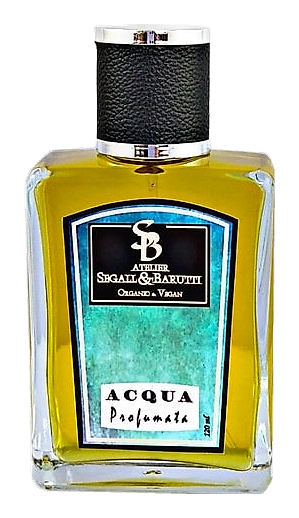
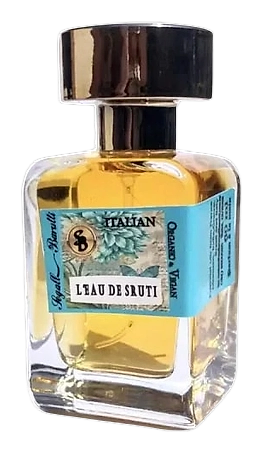
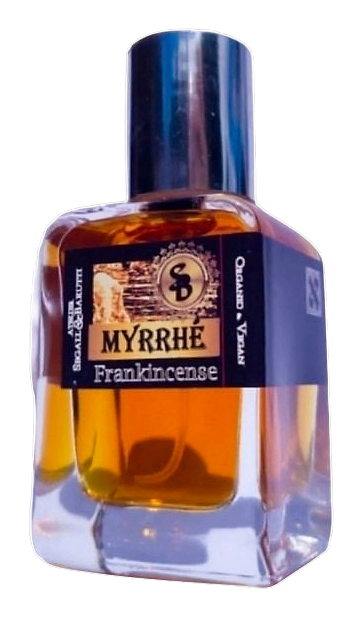
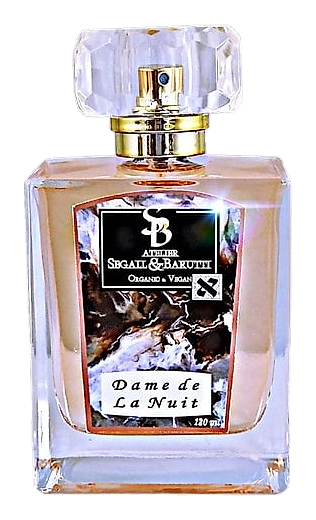
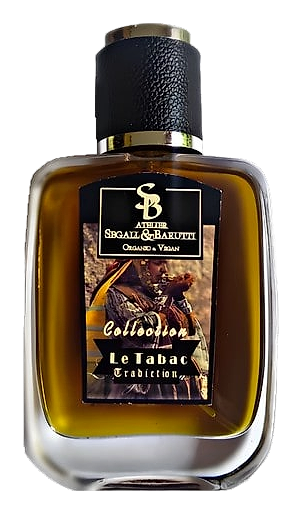
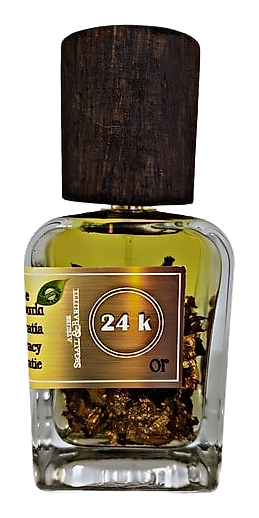
Atelier Segall & BaruttiAtelier Segall & Barutti is a niche fragrance house that builds its reputation on daring compositions and a willingness to explore unconventional scent structures. The brand’s catalogue, which stretches from the early 1990s to the present, includes more than 80 distinct creations, each positioned as a character study rather than a conventional perfume. Its releases—such as Rose Indian (2016) and Cyprus (2022)—show a consistent focus on narrative depth and material authenticity.
The Creator
Tzivia SegallHer signature technique involves layering transparent accords before anchoring them with a modest base of woods or resins. She prefers citrus zest, marine notes, and green herbs for top layers, then adds soft florals such as freesia or violet leaf.