The Story
Why it exists.
The beginning
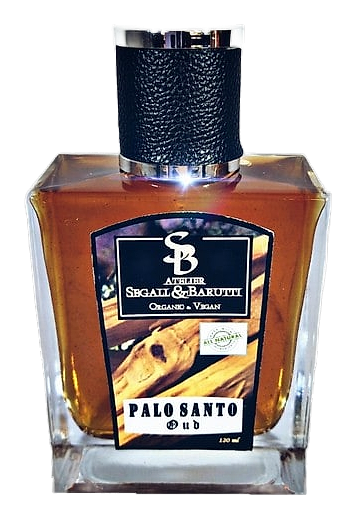
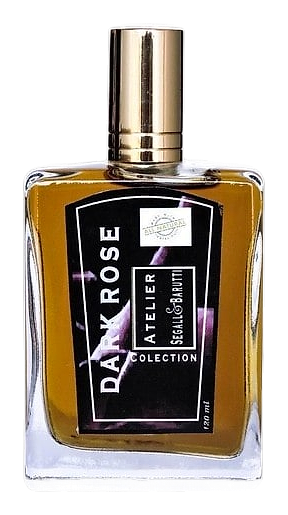
Dark Rose began as a provocation. Tzívia Segall asked what happens when you take the most romantic flower and refuse to be romantic about it. The answer is Damask rose, yes, but surrounded by materials that argue with it. Saffron brings a metallic heat. Coriander adds green complexity. The base of oud and frankincense grounds everything before sweetness can turn sentimental. The result is a rose that doesn't float. It arrives. Atelier Segall & Barutti has operated since 1993 as a niche house that treats each fragrance as a character study rather than a commercial formula. Dark Rose is a character that refuses to apologize for itself.
The oud-praline combination is unexpected, particularly in Brazilian perfumery, where the typical register leans toward tropical florals. Instead of building something safe, Segall reached for contrast. Damask rose as the heart, but surrounded by materials that push back, saffron's metallic heat, coriander's green edge, frankincense that anchors rather than lifts. The result is a rose that feels neither delicate nor predictable. It's warm, yes, but warmth with a reason. The sweetness earns its presence by being grounded, not by being safe. That's the tension that makes it work.
The evolution
The rose announces itself slowly. Not a slow launch, more like it arrives and settles. The damask rose blooms through saffron's medicinal heat, finding its densest character around the thirty-minute mark. Osmanthus and apricot add waxy sweetness, but the warmth keeps deepening. By the third hour, the oud and frankincense are fully present, grounding the rose in something darker. The praline emerges as an edible counterpoint, sweet without softening the composition. Sillage stays moderate after the first hour. Close presence, not room-filling projection. After six hours, the drydown is woods and praline lingering close to skin, the oud holding warmth underneath. On fabric the next morning, a faint sweetness remains alongside the oud.
Cultural impact
Dark Rose occupies an unusual position, oud and rose together are uncommon in Brazilian niche perfumery, where the typical register leans tropical and floral. The 2016 launch predates much of the Western niche interest in oud that followed. The combination of damask rose, warm spice, and dark woods creates a rose with real presence rather than delicacy. User ratings cluster around strong longevity and moderate sillage, close presence that holds through an evening rather than announcing itself from across the room.