
The Story
Why it exists.
The beginning
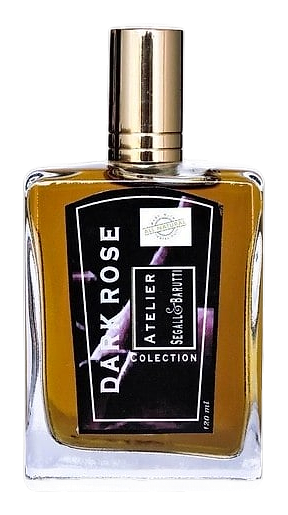
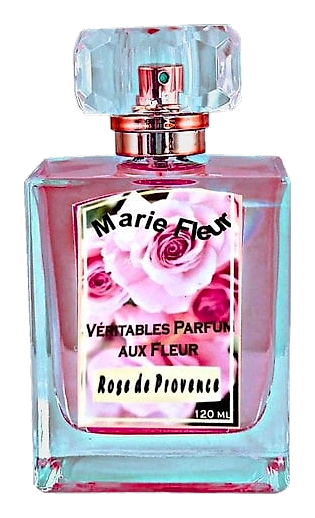
Rose de Provence arrived in 2018 from Tzivia Segall, the perfumer behind Atelier Segall & Barutti. The composition brings together multiple rose varieties, weaving them into a layered statement that feels unified rather than fragmented. The black tea running underneath isn't an afterthought. It's the cool thread that keeps the abundance from collapsing into sweetness. Cedar at the base gives it somewhere to land. What results is rose as a landscape, not a single note.
Black tea anchors the base, providing a cool counterpoint to the floral richness above. Magnolia adds a waxy, almost nocturnal quality that tempers the berry top notes of cassis and raspberry. The composition avoids sweet, generic fruity territory, arriving instead at something cooler and more composed. This is a rose that knows what it's doing.
The evolution
The opening announces magnolia and black tea first, cool, slightly waxy, with cassis and raspberry underneath providing tartness. The roses then arrive, layering into a single dense floral note that has weight without heaviness. The black tea remains, keeping everything grounded. As the fragrance develops, the cedar emerges and the tea fades into something darker. The drydown on fabric reads as warm wood and the ghost of rose petals, present and unmistakable.
Cultural impact
Rose de Provence stands out as a bold rose-forward composition in the Atelier Segall & Barutti catalog, a house not known for playing it safe. It appeals to those who appreciate a narrative-first approach to fragrance.
The House
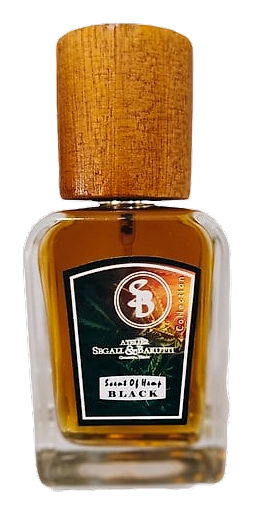
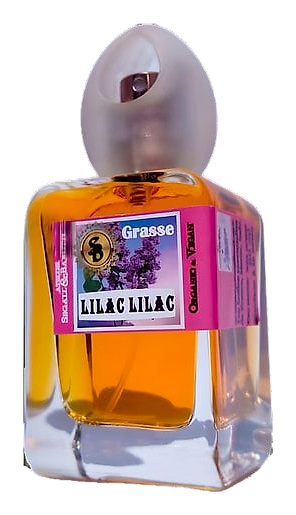
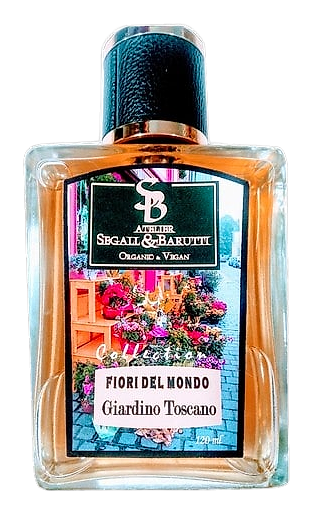
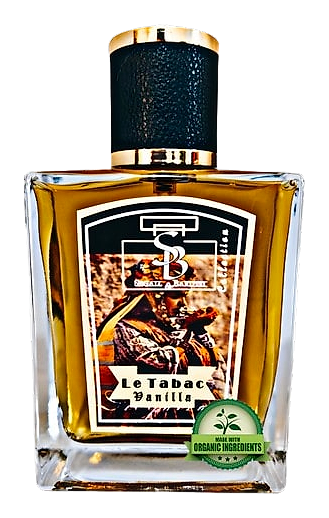
Atelier Segall & BaruttiAtelier Segall & Barutti is a niche fragrance house that builds its reputation on daring compositions and a willingness to explore unconventional scent structures. The brand’s catalogue, which stretches from the early 1990s to the present, includes more than 80 distinct creations, each positioned as a character study rather than a conventional perfume. Its releases—such as Rose Indian (2016) and Cyprus (2022)—show a consistent focus on narrative depth and material authenticity.
The Creator
Tzivia SegallHer signature technique involves layering transparent accords before anchoring them with a modest base of woods or resins. She prefers citrus zest, marine notes, and green herbs for top layers, then adds soft florals such as freesia or violet leaf.