Red Currant
Red currant delivers a sharp, juicy tartness with crystalline brightness, bringing vivid fruit character to modern fragrances without the heaviness of sweeter berries.
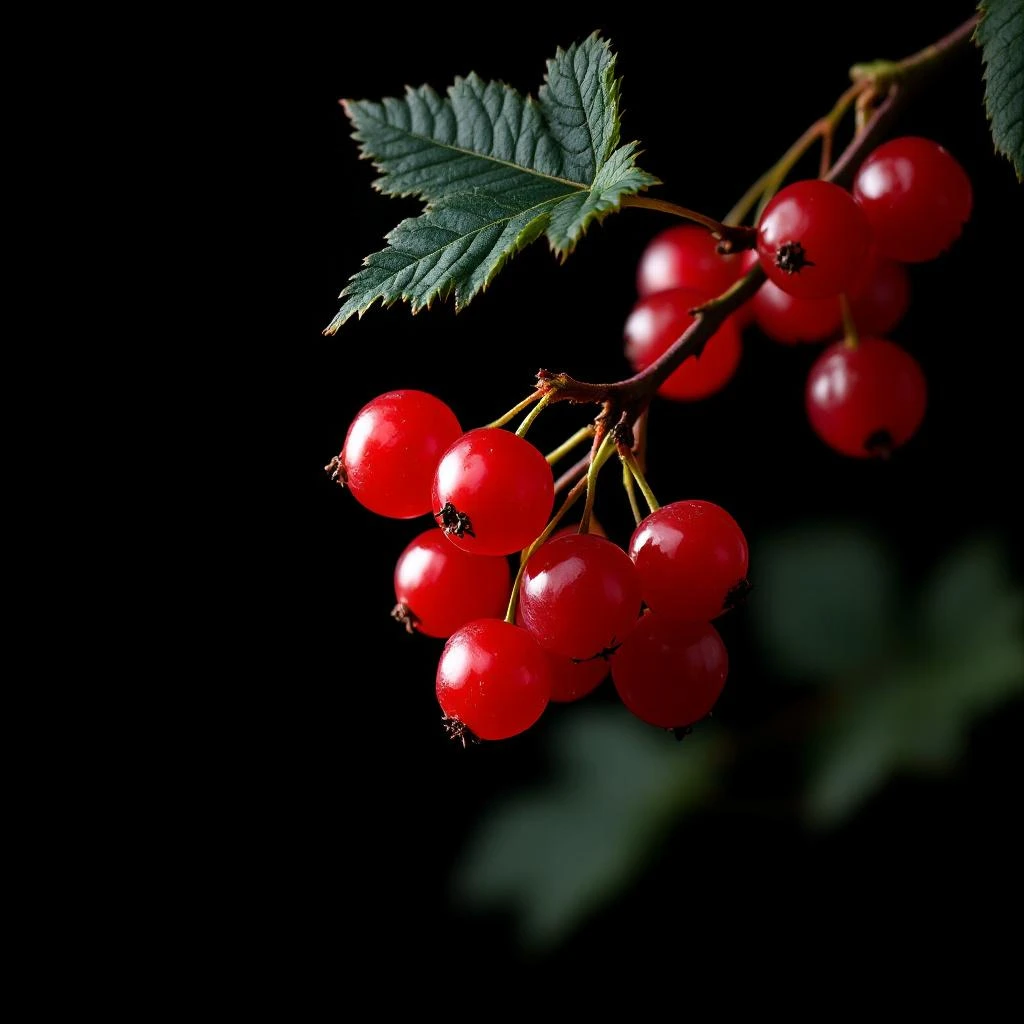
Character
How it smells
Crisp, tart, electric
Red currant has no commercial perfumery extraction. Its scent exists almost entirely as a laboratory reconstruction built from synthetic aroma compounds.








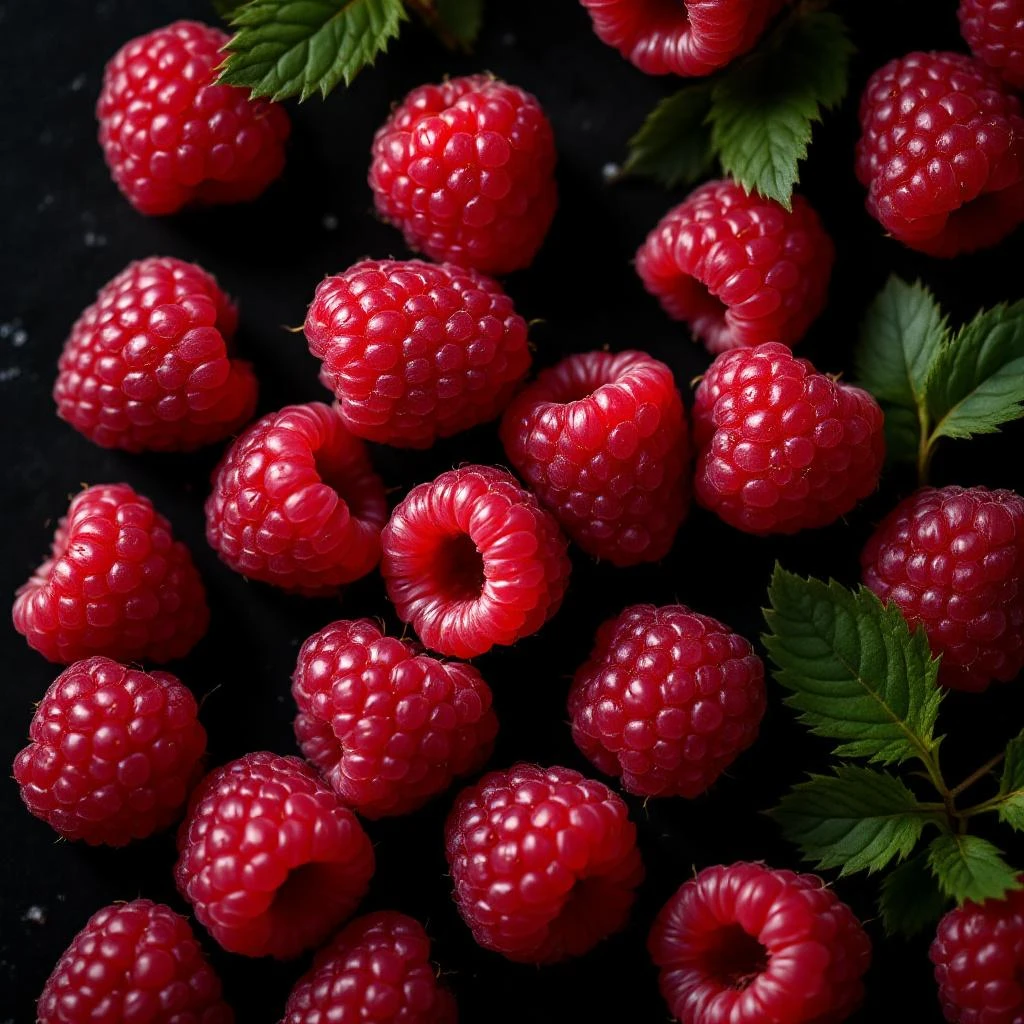
Origin
Western Europe
Red currants (Ribes rubrum) grow wild across Western Europe, with cultivated varieties documented in monastery gardens as early as the fifteenth century. The berries featured in cordials, preserves, and syrups long before perfumers considered them as a scent material. Their inclusion in fragrance is a distinctly modern phenomenon, tied directly to advances in synthetic chemistry rather than to any traditional aromatic use.
Blackcurrant, a related species, entered perfumery earlier and more formally. Guerlain introduced blackcurrant bud absolute in Chamade (1969), establishing the green-fruity category and demonstrating how berry notes could anchor sophisticated compositions. Red currant followed as chemists refined ester-based reconstructions capable of capturing its sharper, more transparent profile. By the 1990s, red currant appeared regularly in sport fragrances and feminine florals, prized for adding lift without cloying sweetness. Its rise reflects how twentieth-century perfumery moved beyond botanical absolutes toward molecular reconstruction, making once-untouchable aromas practical for mass production while keeping the botanical identity intact.
Wears it best
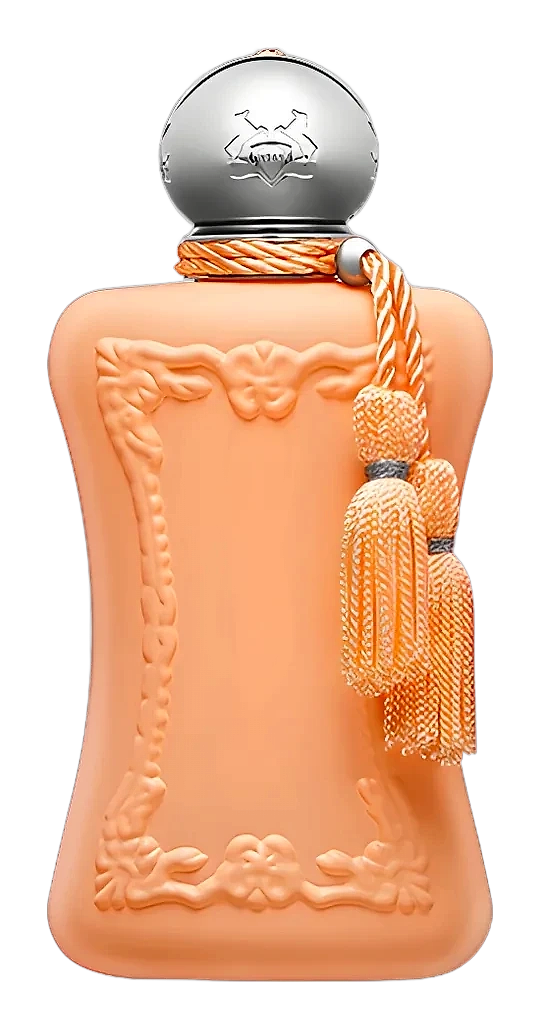
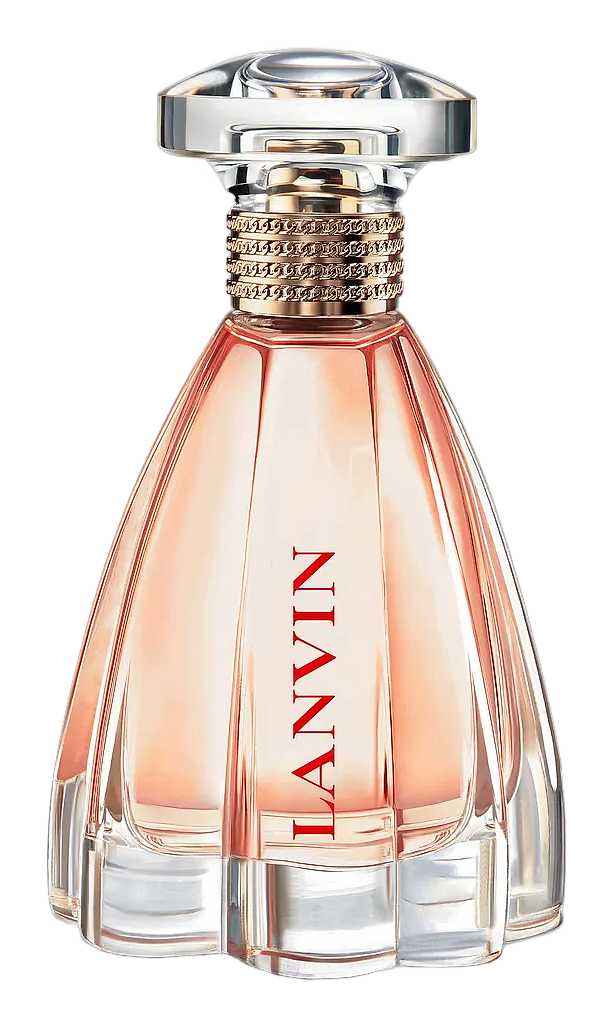
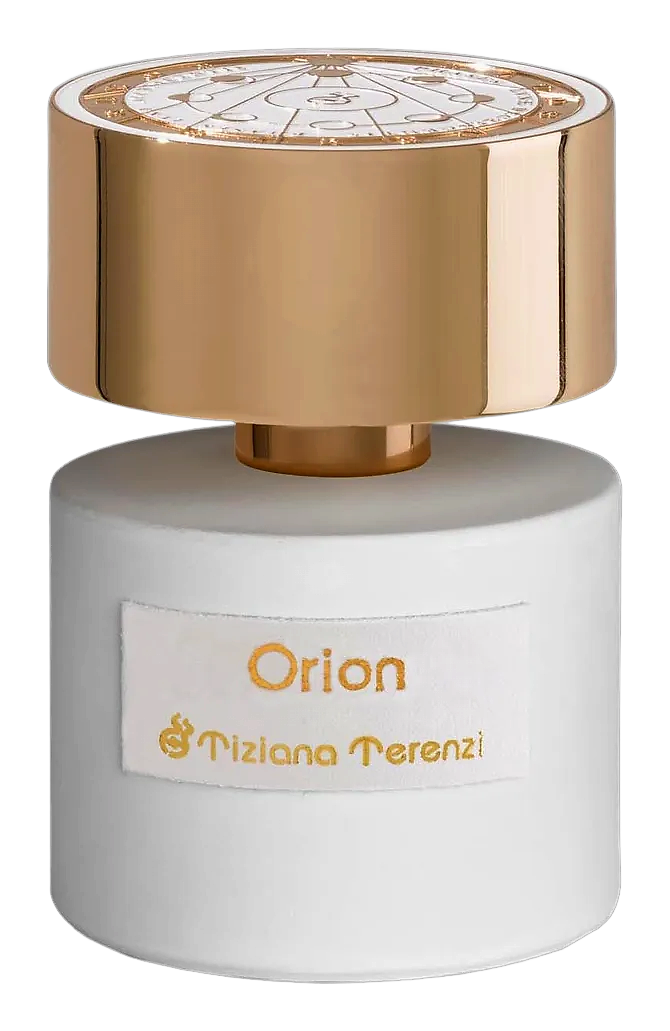
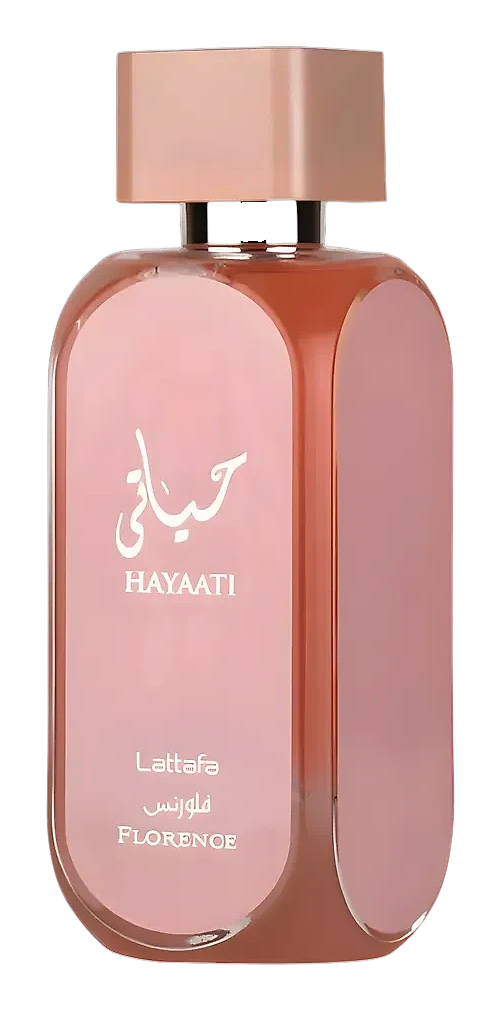
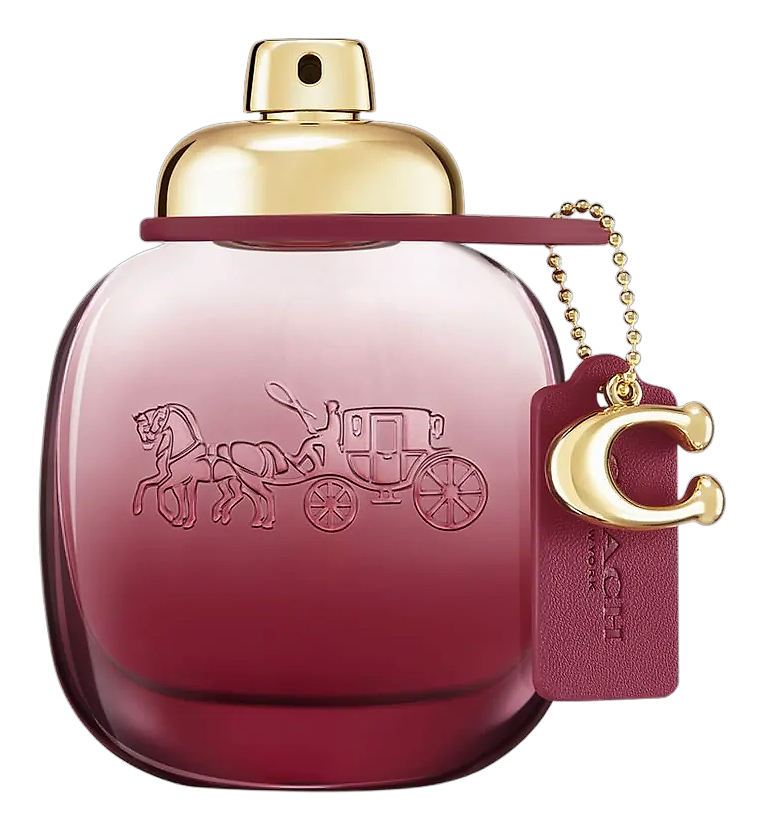
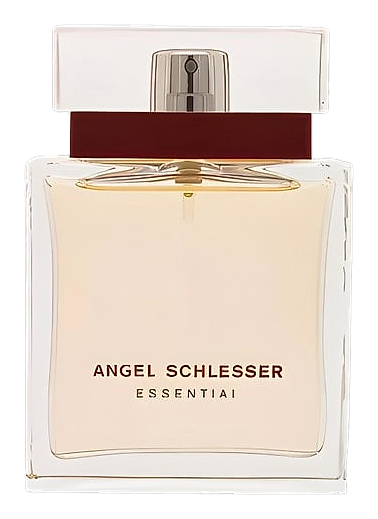
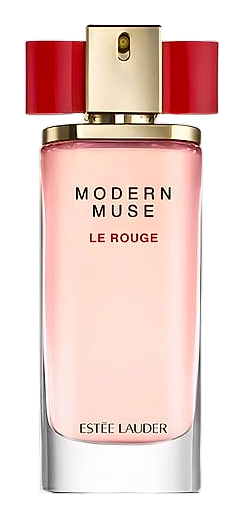
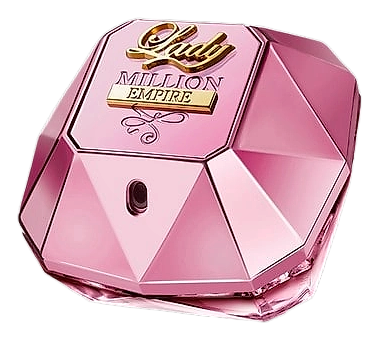
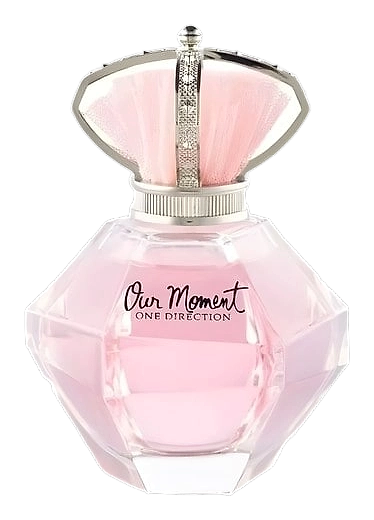
Fragrances featuring Red Currant
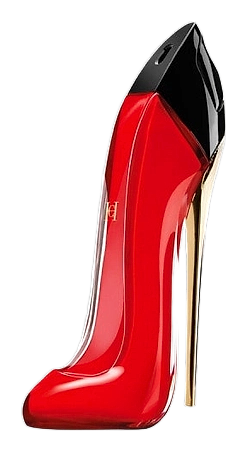
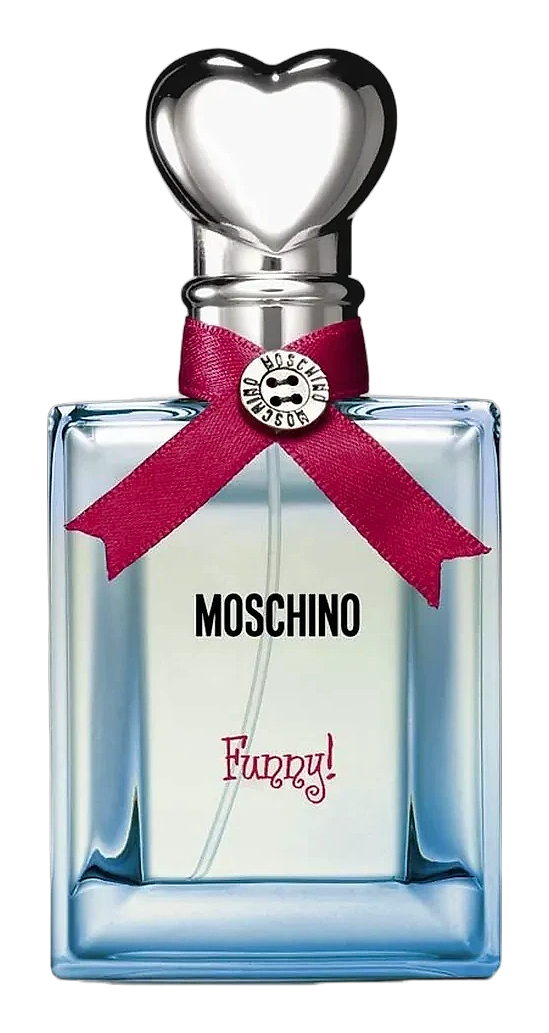

Brands
Brands known for Red Currant
Good to know
Questions, answered
The essentials on Red Currant in perfumery: how it smells, where it comes from, and how it behaves on skin.
Is red currant a natural fragrance ingredient?
No. Red currant has no commercial perfumery extraction. Its scent is reconstructed entirely in laboratories from synthetic esters and aroma compounds designed to mimic the fresh, tart berry.
What does red currant smell like in perfume?
Red currant smells bright, tart, and juicy with a crystalline sharpness. It adds vivid fruit character and lift to compositions without the syrupy sweetness of darker berries.
How is red currant scent made if not extracted?
Perfumers build red currant accords from synthetic molecules, especially esters like ethyl methyl-2-butyrate, blended to capture the berry's signature tart freshness and green edge.
What is the difference between red currant and blackcurrant in perfumery?
Red currant offers a sharper, more transparent tartness and is synthetically reconstructed. Blackcurrant, introduced by Guerlain in Chamade (1969), has a deeper, more catty profile and can be naturally extracted from buds.
Where does red currant grow originally?
Red currants (Ribes rubrum) are native to Western Europe, cultivated in monastery gardens since at least the fifteenth century primarily for culinary use.
When did red currant become popular in perfumery?
Red currant gained traction in the 1990s as synthetic reconstruction technology matured, appearing in sport fragrances and floral compositions that needed bright, clean fruit accents.
Why can't red currant be extracted like other fruits?
Steam distillation yields negligible oil from the watery berries, and solvent extraction produces a waxy absolute that loses the fruit's characteristic freshness, making synthesis the only viable route.
Is red currant a top, heart, or base note?
Red currant functions as a top to early heart note, providing an initial burst of tart fruitiness that evaporates within the first hour of wear.