
The Story
Why it exists.
The beginning
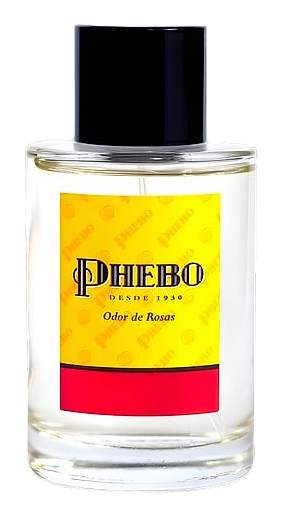
Odor de Rosas arrived in 2020 from perfumer Leonardo Lucheze as a gender-neutral reinterpretation built on spiced leather and aromatic herbs, with rose placed deliberately underneath rather than on top. Lucheze structured the composition around contrast: cool opening herbs against warm closing leather, with rose appearing only when the structure softens. The spiced leather accord gives the fragrance its masculine backbone while the rose and herb combination keeps it from feeling heavy. There's a deliberate tension between the aromatic top notes and the deeper base that keeps the fragrance interesting as it develops.
In most rose fragrances, the flower arrives at opening and carries the whole thing. Here, carnation and thyme establish the heart first, with juniper adding a quiet evergreen lift. The rose appears gradually, not announcing itself immediately, settling into the composition as the leather and pine take hold. Carnation brings its characteristic spicy, clove-like warmth that softens beautifully against the floral notes. The juniperberry adds a subtle green, almost gin-like quality that prevents the heart from becoming too sweet or heavy.
The evolution
The opening announces itself without apology. Bergamot, geranium, rosemary, lavender, four aromatic materials arrive at once, cool and green and assertive. The lavender provides balance to the sharper herbs while still allowing the composition to feel vibrant and aromatic. This phase settles as the herbs begin to relax and the heart starts to emerge. Carnation leads the middle stage, its spicy-warm quality softened by rose and grounded by juniper. The rose surfaces gradually, not immediately at full strength, creating a different kind of presence than a front-and-center rose. Thyme keeps the herbal thread alive as the florals and spices work together. The base belongs to leather, which was present throughout but becomes more apparent as the florals fade. As it settles, rose becomes more integrated, warmer now, almost red in its impression.
Cultural impact
Phebo holds a special place in Brazilian households, with its rose-scented products remaining popular over decades. The fragrance connects generations through its delicate and nostalgic aroma, maintaining relevance in a competitive market. Its enduring presence reflects the brand's continued production and consumer appreciation for its classic approach to rose. The distinctive rose scent has become synonymous with the Phebo name, offering a recognizable character that has sustained customer loyalty.