Carnation Leaves
Beyond the bloom: carnation leaves deliver a greener, spicier signature than the flower, anchoring compositions with an unexpected herbal warmth that modern perfumery is only beginning to fully appreciate.

Character
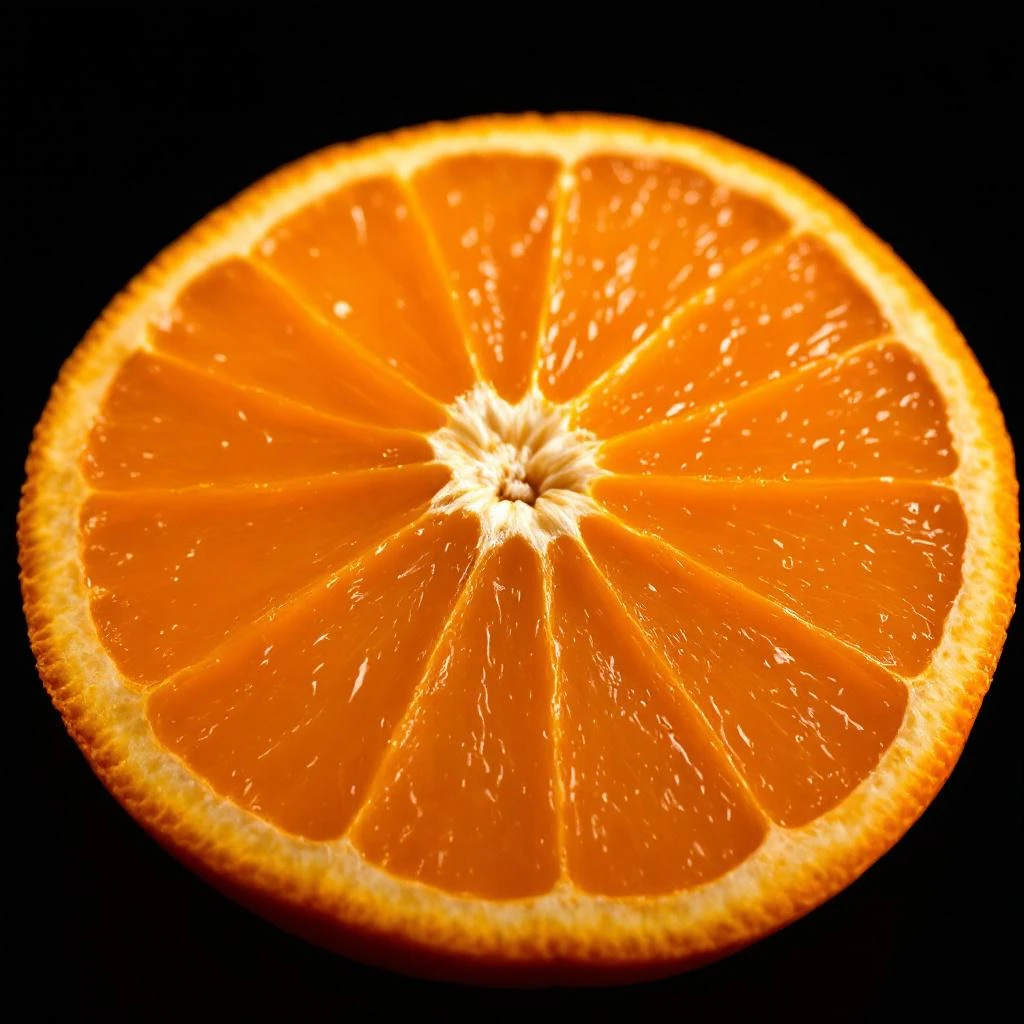
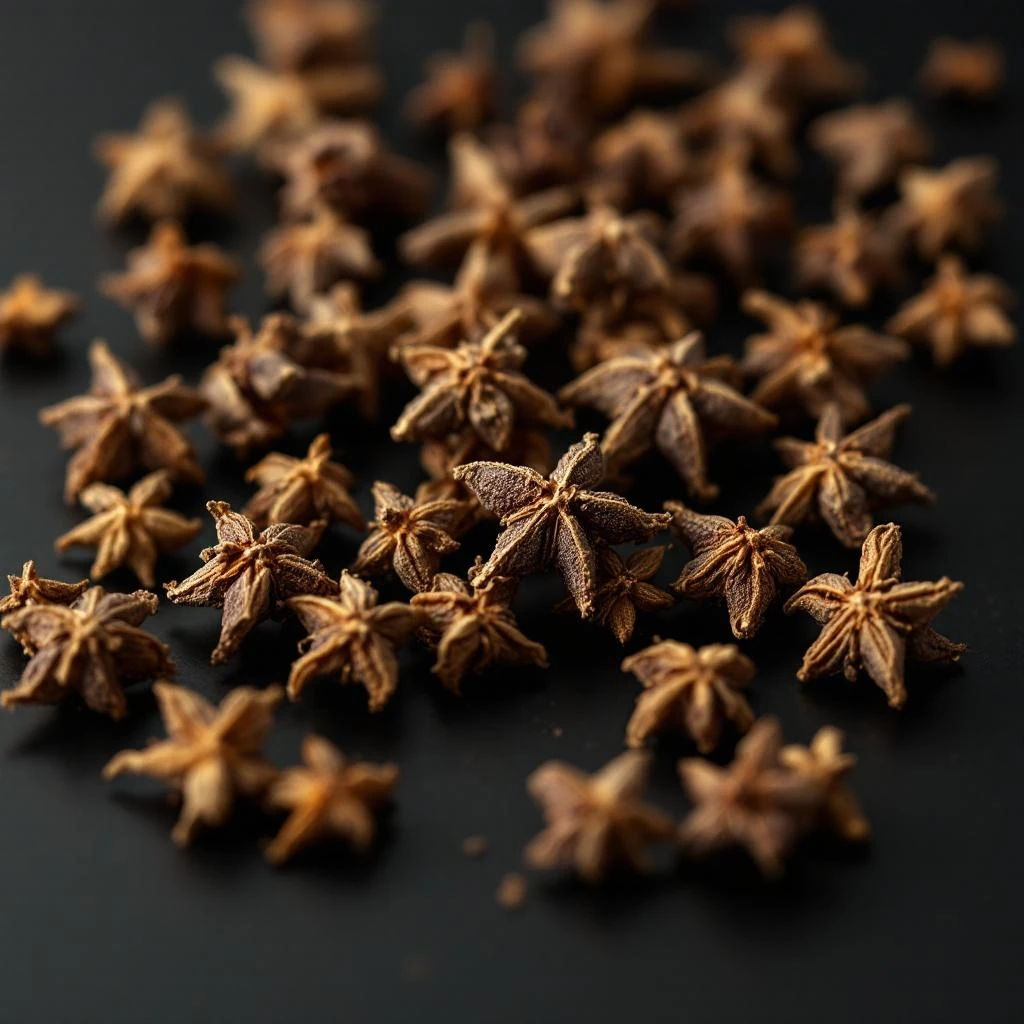
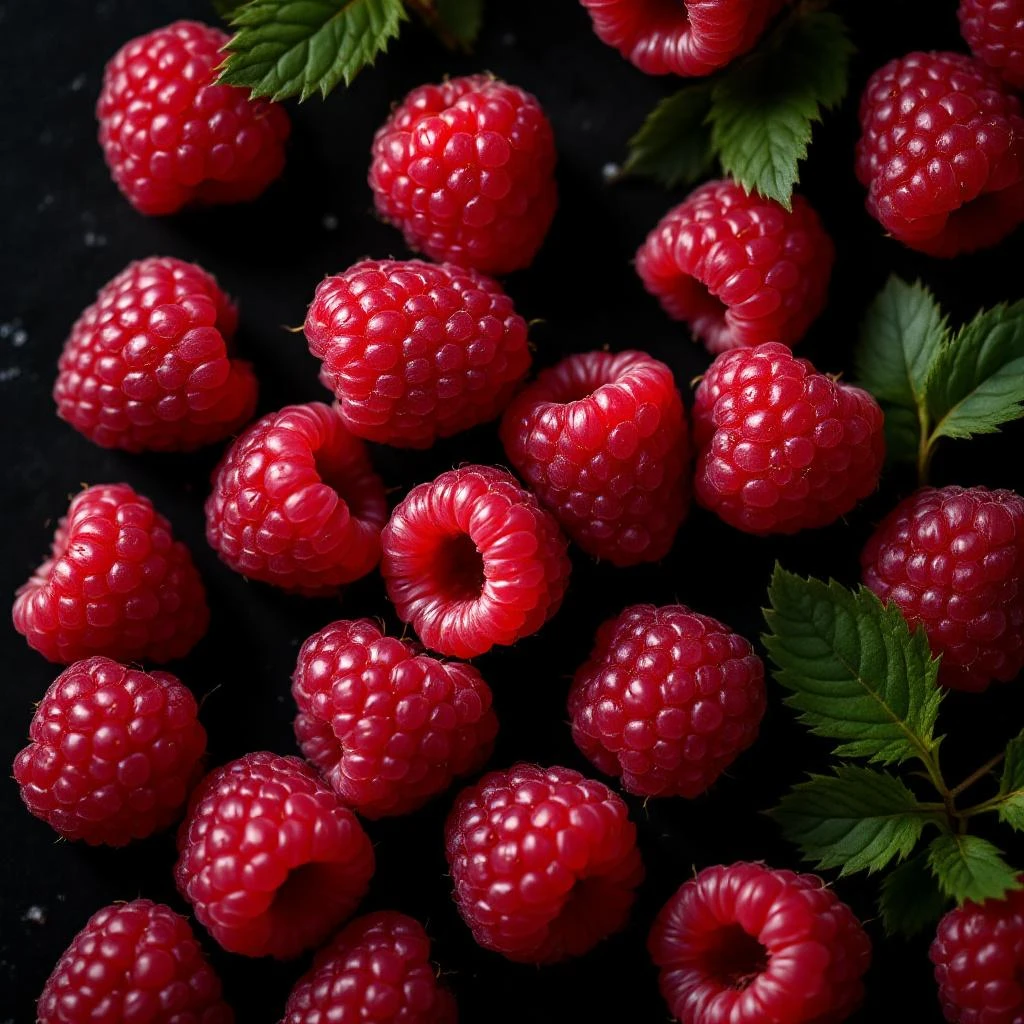
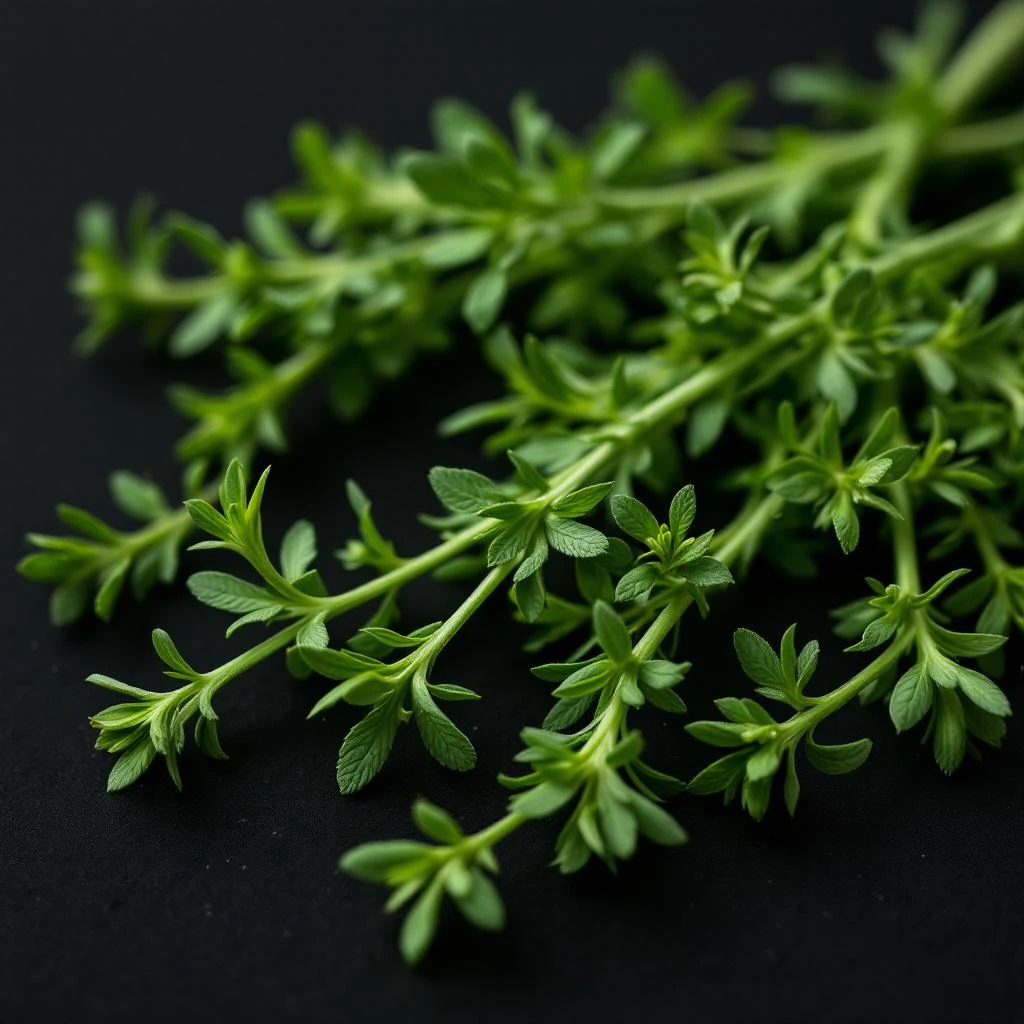
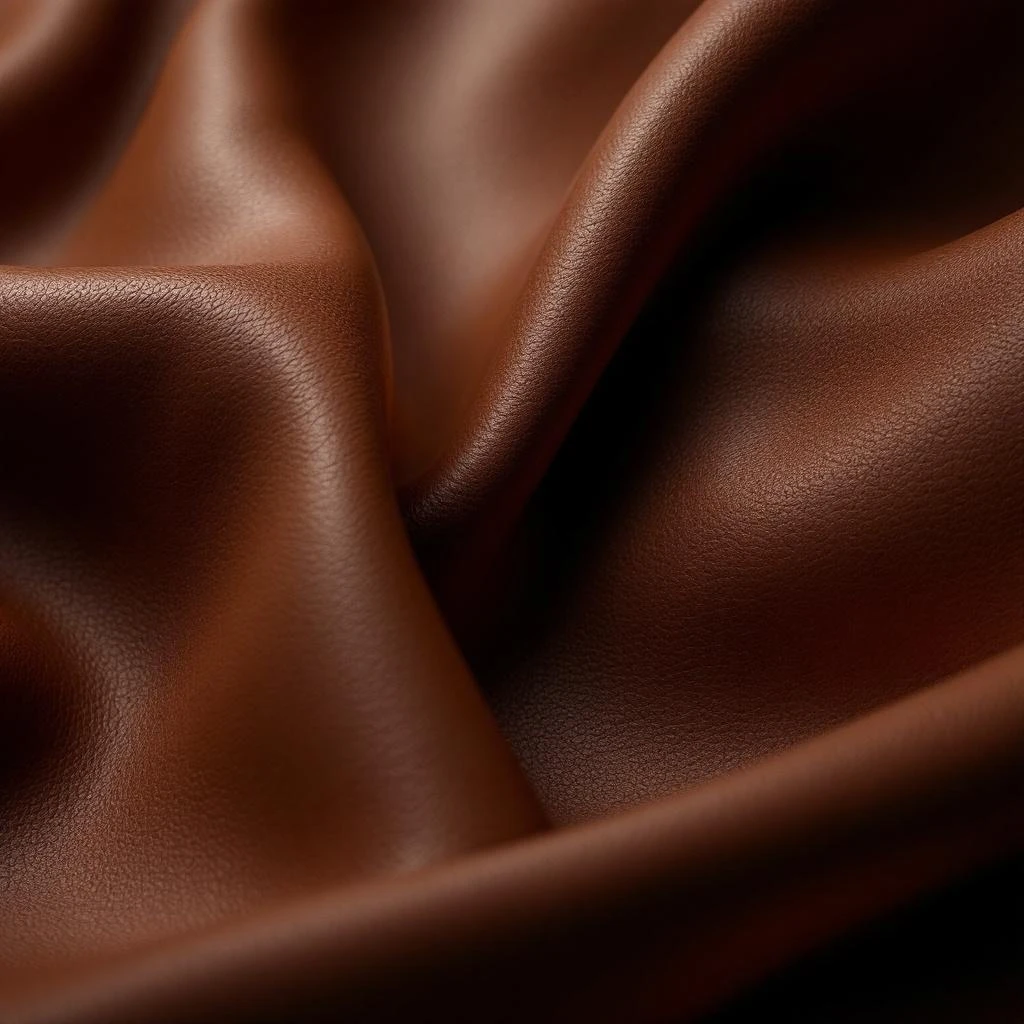
How it smells
The overlooked green soul of a classic bloom.
Carnations rank among the few florals whose leaves contribute meaningful aromatic material, often yielding a spicier, more herbaceous character than the petals themselves.



Origin
France
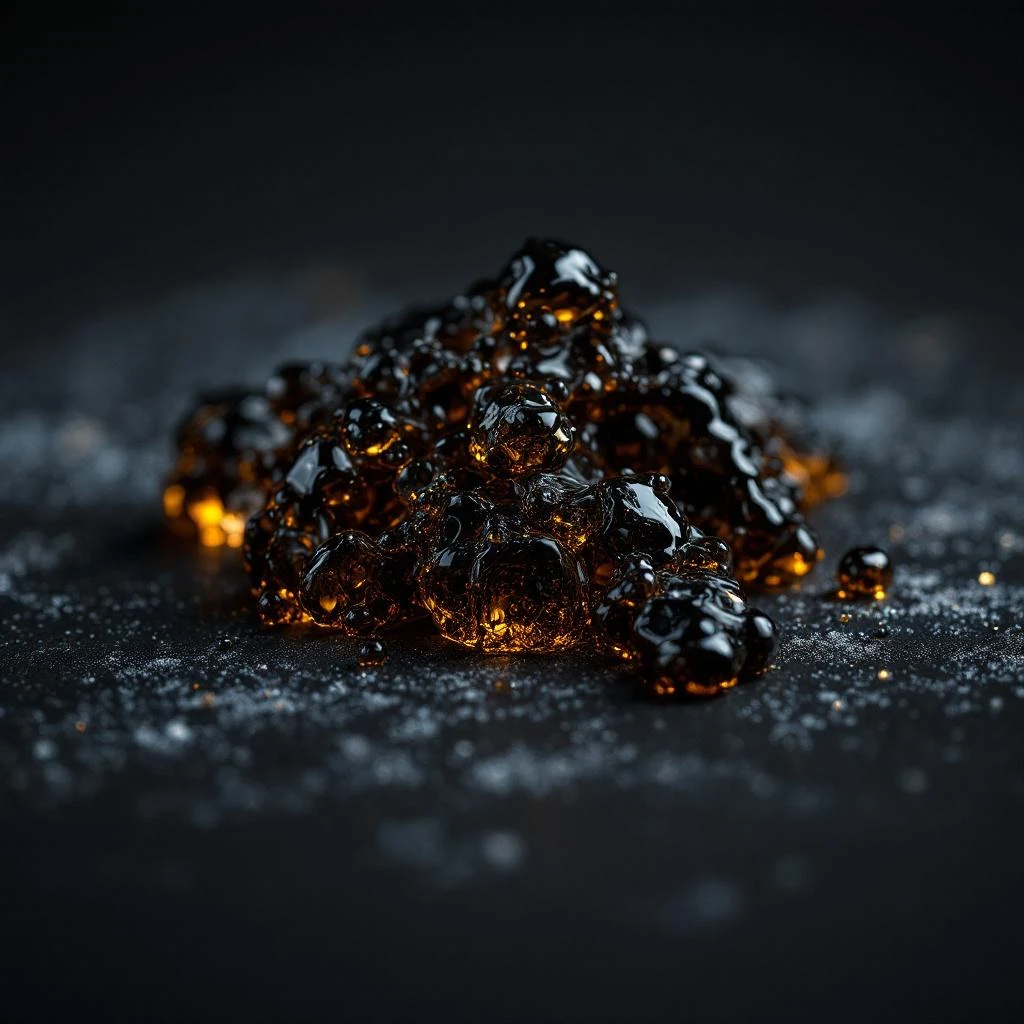
While the carnation flower commanded attention since antiquity, perfumers long ignored the plant's foliage. The Mediterranean native Dianthus caryophyllus grows wild across southern Europe and North Africa, where traditional healers used the entire plant. By the early 1900s, French perfumers in Grasse began experimenting with complete botanical extraction.
The 1905 breakthrough in carnation-centered composition opened doors to using previously discarded plant parts. However, carnation leaf material only gained serious consideration after 1920, when synthetic eugenol derivatives allowed perfumers to recreate the signature spicy note separately. This freed the natural leaf absolute to express its true green-spicy character without competing with the floral base.
Today, carnation leaves represent a quiet marker of perfumery authenticity: their use signals a commitment to whole-plant thinking over cost optimization.
Wears it best
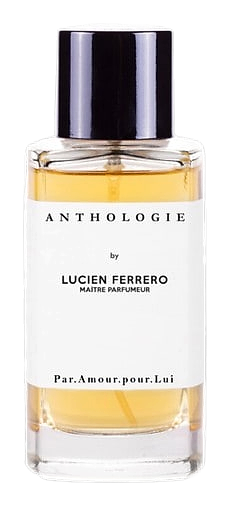
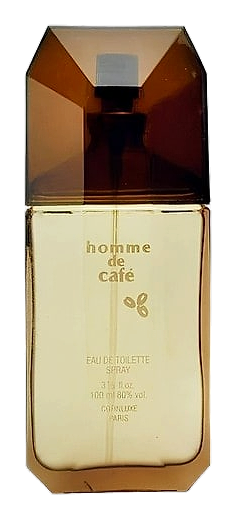
Fragrances featuring Carnation Leaves
Brands
Brands known for Carnation Leaves
Good to know
Questions, answered
The essentials on Carnation Leaves in perfumery: how it smells, where it comes from, and how it behaves on skin.
What does carnation leaf absolute smell like?
Carnation leaf absolute presents a green, spicy character distinctly different from the floral note. Think fresh-cut stems with warm clove-like spice and a faintly balsamic undertone. It adds herbaceous depth rather than sweetness to compositions.
Is carnation leaf different from carnation flower in perfumery?
Yes, significantly. The flower absolute offers classic carnation warmth and spice, while the leaf absolute contributes sharper green notes and a more austere, herbal quality. Many perfumers use both to build complexity.
Why is carnation leaf absolute rare in commercial fragrances?
Production requires substantial plant material relative to yield, and the absolute remains costly. Additionally, many perfumers rely on synthetic eugenol and phenoxy ethyl alcohol to approximate carnation spice at lower cost.
Where does quality carnation leaf material originate?
Southern France, particularly the Grasse region, remains the primary source. The Mediterranean climate produces carnations with optimal volatile compound profiles, and local expertise in solvent extraction ensures quality.
Does carnation leaf contain eugenol?
Carnation leaves contain eugenol and related phenylpropanoid compounds, though typically at different concentrations than the flowers. This explains the characteristic spicy-clove quality present in both materials.
Can carnation leaf absolute be synthesized artificially?
Individual components like eugenol can be synthesized, but the full green-spicy complexity of natural leaf absolute remains difficult to reproduce. Synthetic versions lack the subtle chlorophyll and fatty acid-derived notes.
How do perfumers typically use carnation leaf in compositions?
It works best as a heart or modifier in spicy-oriental and chypre structures. The green quality pairs well with clove, cinnamon, and labdanum, while the balsamic undertone supports heavier base materials.
Is carnation leaf sustainable to harvest?
Carnation is a cultivated crop, not wild-harvested, which supports sustainable sourcing. However, the leaves must be harvested at specific times to capture optimal volatile compounds, requiring skilled agricultural timing.