Leonardo Lucheze
Leonardo Lucheze treats fragrance as translation rather than invention. His career began in the unlikeliest of places: a children's booth at Brazil's Festa Junina festival, where a won lavender perfume sparked an obsession that would shape his entire life. He trained under a master perfumer, learning the rigorous discipline of compound construction before joining Takasago International Corporation, one of the world's most respected fragrance houses. The recognition came swiftly. In 2026, The Fragrance Foundation named Lucheze an LVMH Notable of the Year, cementing his reputation as a perfumer who pushes emotional boundaries rather than simply following them. His work resists easy categorization, blending cultural memory with contemporary sensibility in ways that feel both intimate and surprising. Lucheze approaches each brief not as a constraint but as an invitation to excavate feeling from raw material.
The hits
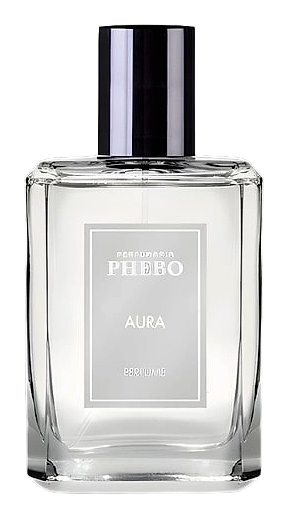
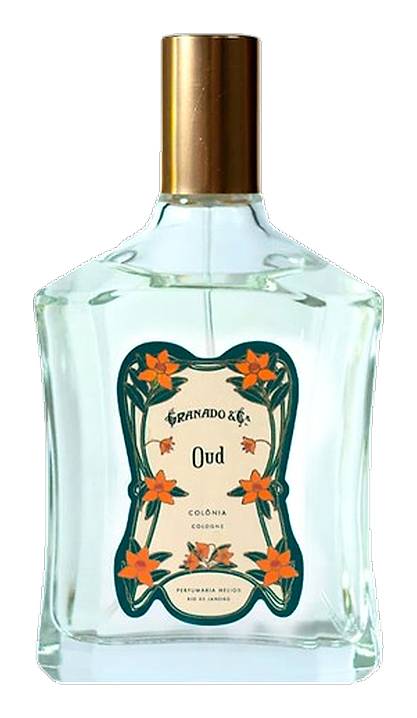
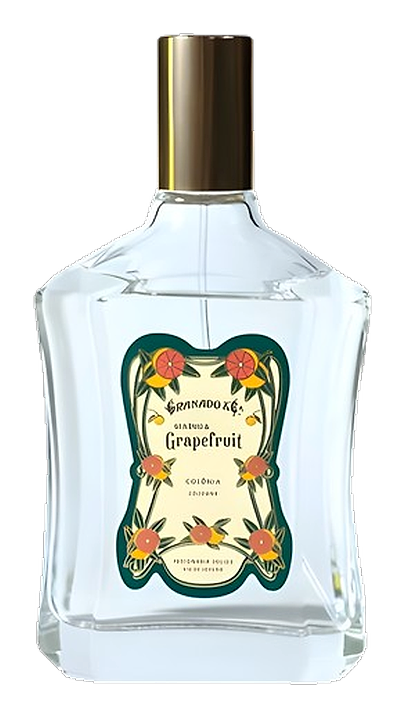
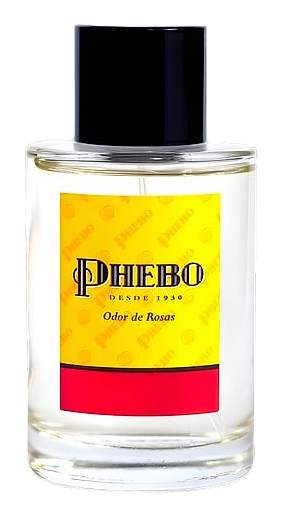
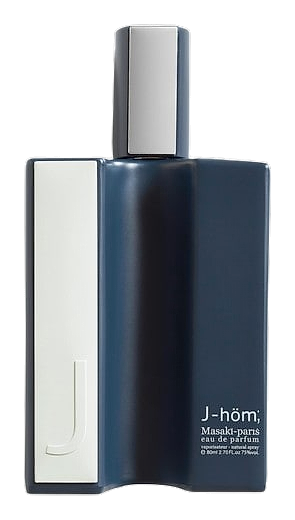
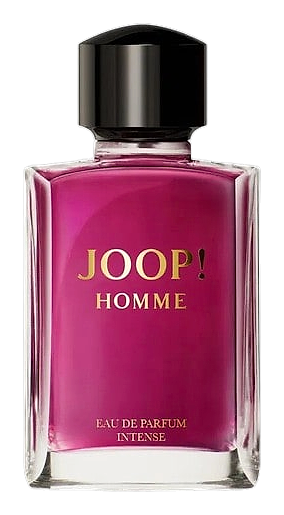
Notable creations






The signature
How Leonardo composes
Lucheze gravitates toward unexpected material pairings that somehow resolve into coherence. He favors green aromatics, lactonic richness, and dark resins that carry weight without heaviness. HisSignature technique involves building emotional tension through contrast: bright top notes that sour slightly as they develop, bases that warmth without sweetness. He works extensively with lavender, a nod to his origins, but reconfigures it so completely that it becomes something other than nostalgic. His creations tend toward complexity that reveals itself slowly, rewarding repeated wear rather than immediate impact.
Philosophy
What drives Leonardo
Lucheze believes perfume should make people feel something before they understand why. He builds compositions around emotional cores rather than accord structures, starting from the sensation he wants to evoke and working backward to the ingredients that can produce it. This reversed methodology shapes everything. He rejects the notion that perfumery is purely technical, insisting that intuition and lived experience matter as much as aromatic chemistry. Travel fuels him. Exposure to different cultures, climates, and emotional landscapes keeps his references alive and unpredictable. He sees his role less as artist and more as translator of experiences that resist direct expression.
The houses