The Story
Why it exists.
The beginning
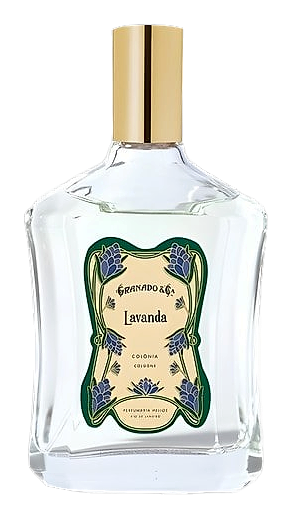
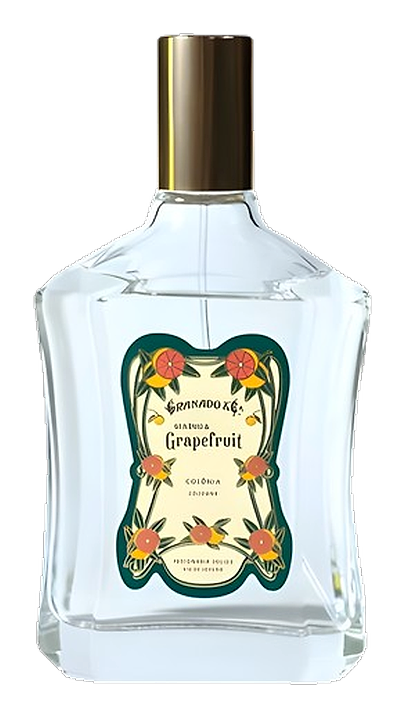
Leonardo Lucheze designed Gerânio & Grapefruit in 2020 with a clear provocation: what happens when grapefruit, fleeting, green-citrusy, meets geranium, a material that refuses to be sweet? Geranium is stubborn. In perfumery it's often used as a supporting note, smoothed into rose or buried under sweetness. But Lucheze treated it as the spine. Grapefruit opens bright, almost disappears, then geranium steps in and holds the composition. That's the structure. That's what makes this worth wearing, the moment when the expected citrus fades and something green takes over instead of just fading away.
The pairing is unusual because grapefruit and geranium shouldn't work together on paper. Grapefruit is ephemeral, fleeting, gone in thirty minutes. Geranium persists, holds, anchors. Most fragrances let the citrus run the show then disappear, leaving the base to carry everything. This one doesn't. The rhubarb and pink pepper in the top add a slight bitterness that makes the grapefruit interesting, not sweet, not soft, sharp enough to earn the name. By the time the jasmine and vetiver arrive, the composition has shifted from citrus-floral to something herbal and grounded.
The evolution
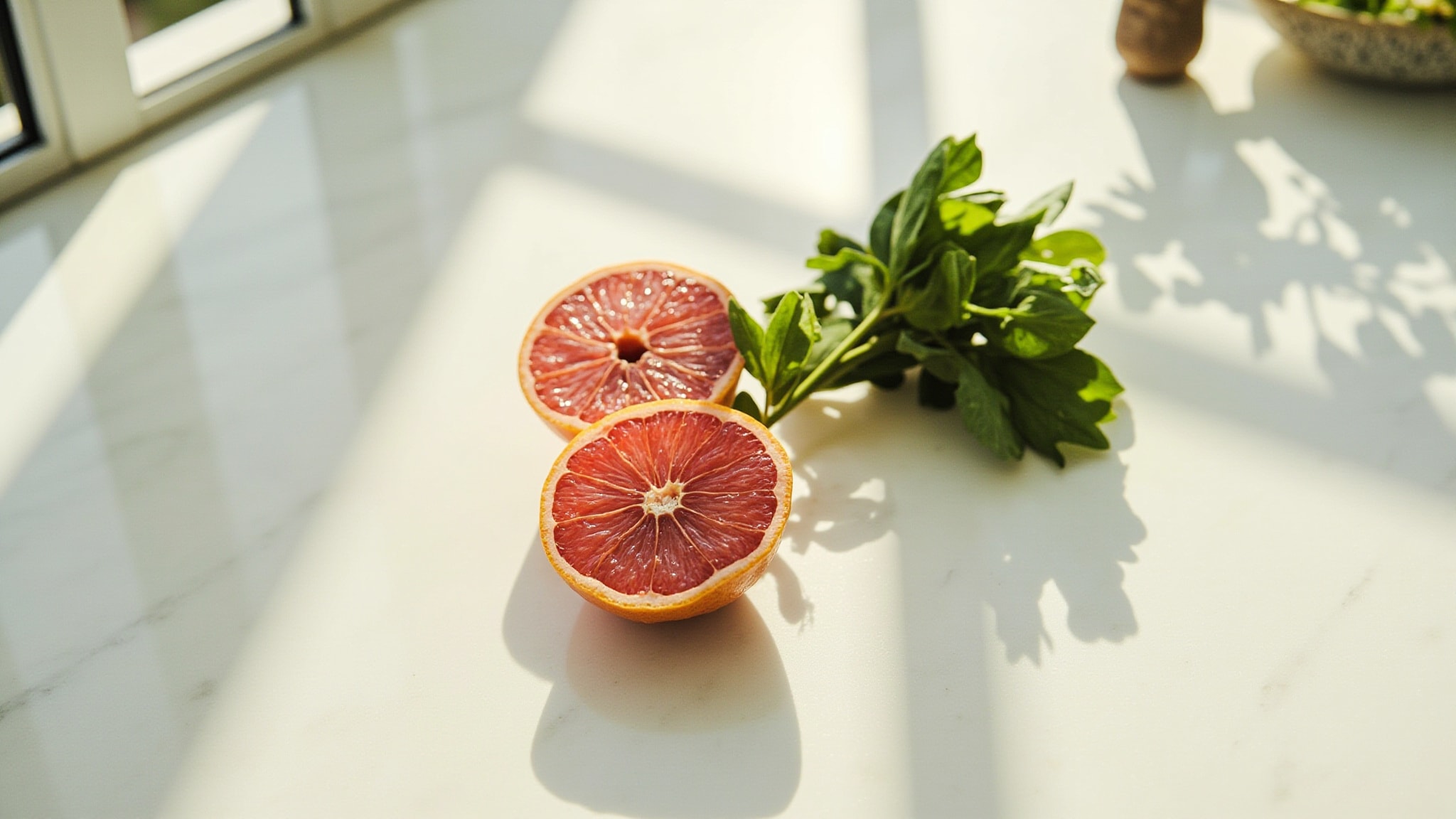
The opening is grapefruit, bright, tart, immediate. Pink pepper adds a slight spice, a crackle. Rhubarb arrives within minutes, bitter and green, cutting the sweetness before it can settle. This opening is the teaser. The geranium announces itself around the thirty-minute mark, taking over in a way the name promises but few fragrances actually deliver. The geranium doesn't support the composition, it becomes the composition. Neroli softens the handoff, jasmine adds warmth, but the green note keeps pushing forward. By the second hour, the citrus has mostly gone and the geranium is running the show. The base settles into musk and vetiver, a drydown that stays herbal rather than sweet. Vetiver has a way of lingering, a green echo that arrives late and stays quiet, grounding the wearer in something that feels both modern and rooted.
Cultural impact
Granado's Gerânio & Grapefruit arrived with a different agenda. Rather than following established fresh fragrance formulas, Leonardo Lucheze built the scent around geranium as the structural spine, a choice that sets this Brazilian release apart from conventional citrus-floral compositions. The grapefruit opening provides initial brightness, but the geranium anchors the composition in an herbal greenness that refuses to retreat. This structural decision speaks to Granado's broader apothecary heritage, where botanical complexity was valued over simplicity.