Grapefruit Blossom
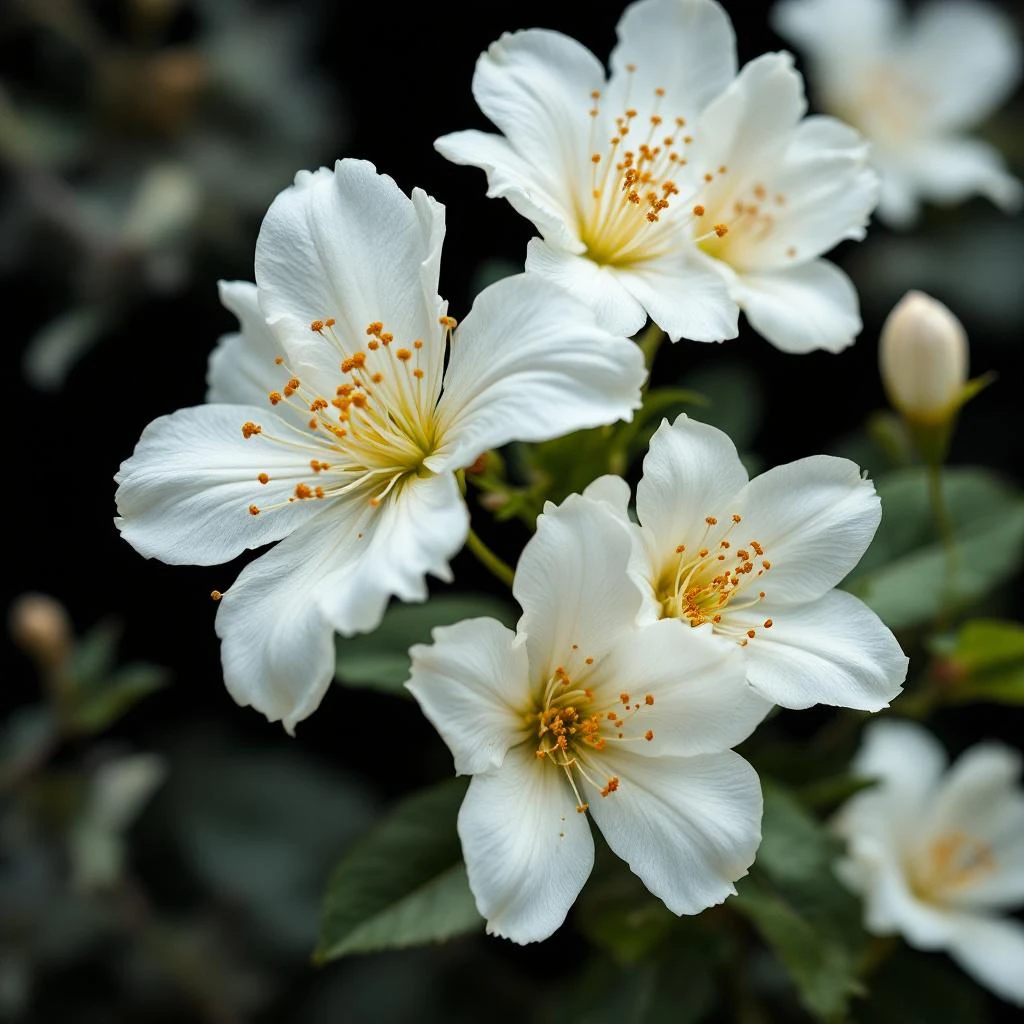
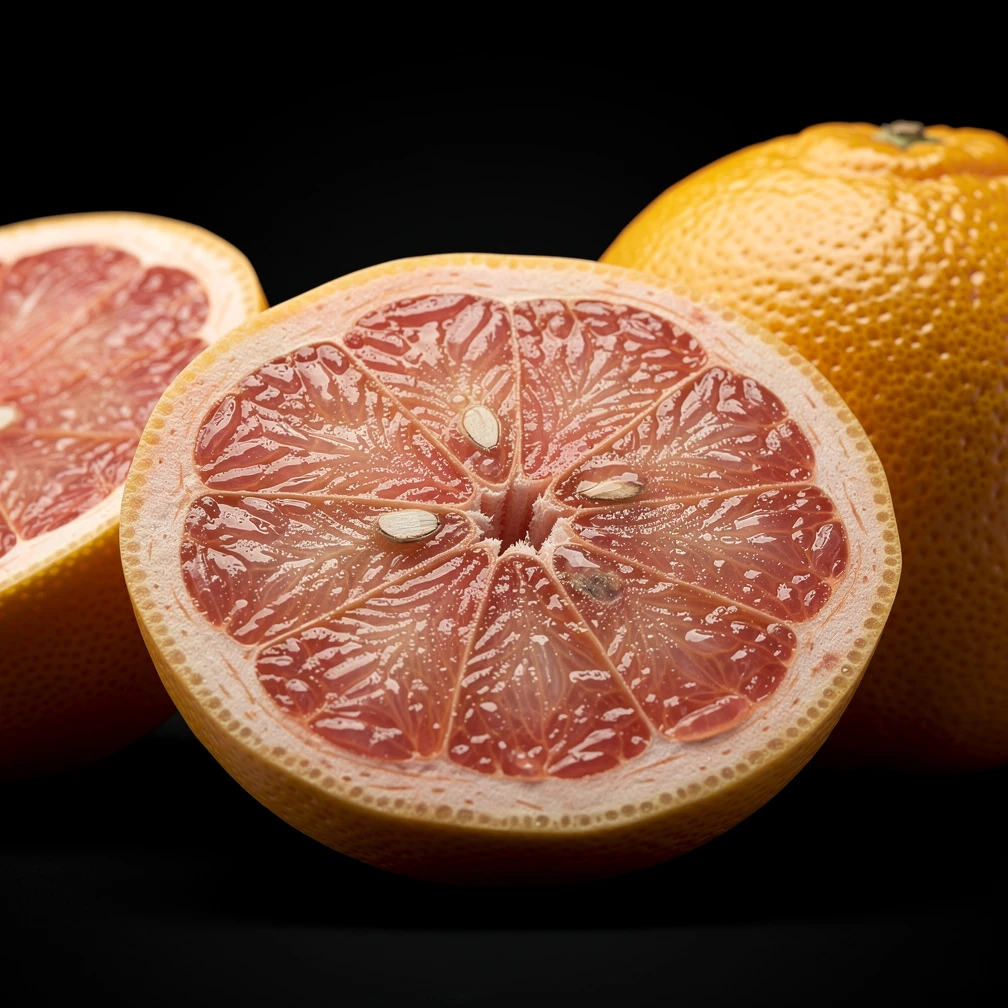
Bright, citrus‑kissed bloom that lifts a fragrance with a sparkling zest and a whisper of white flower, delivering an immediate lift that feels like sunrise over a citrus grove.
Character
How it smells
Citrus sparkle meets delicate blossom in a single note.
The first commercial grapefruit essential oil was produced in Florida in 1933, yet the blossom’s fragrant oil remained a regional secret until the 1970s export boom.







Origin
China
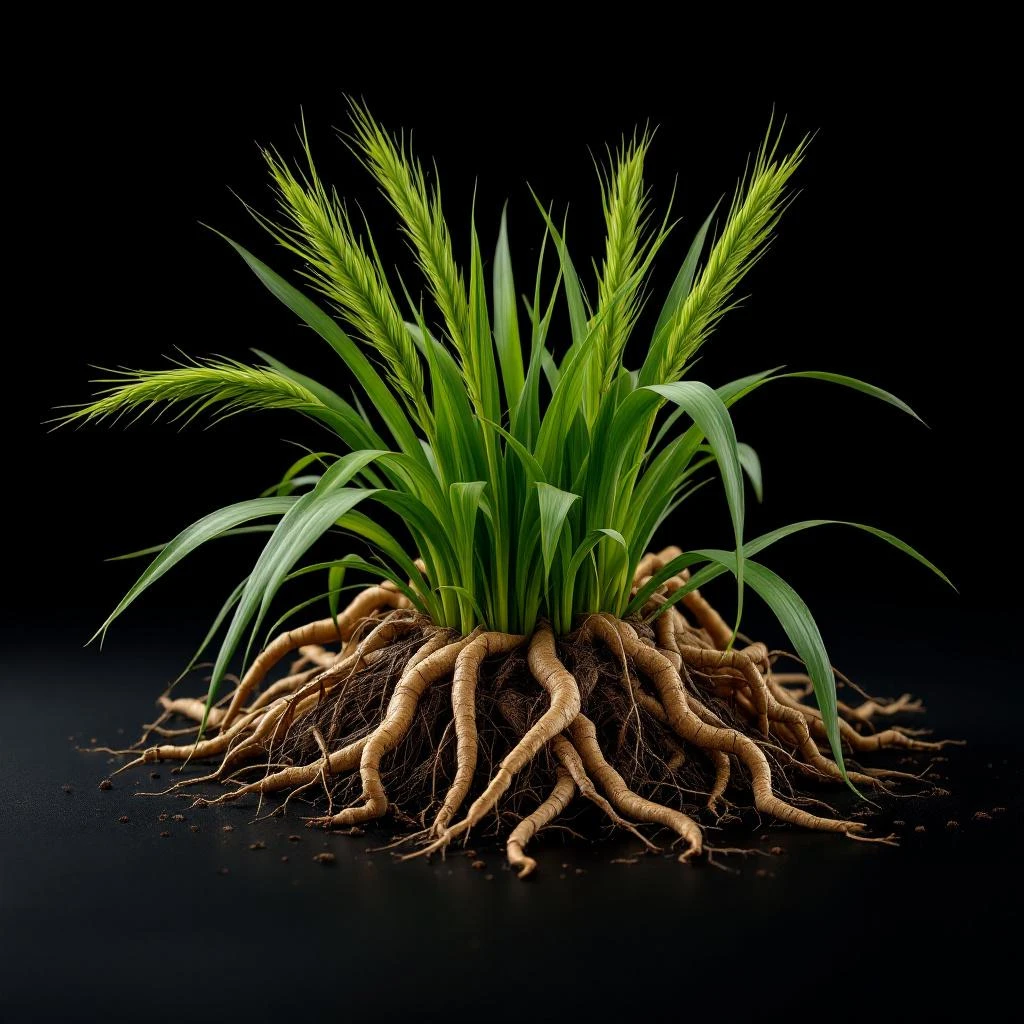
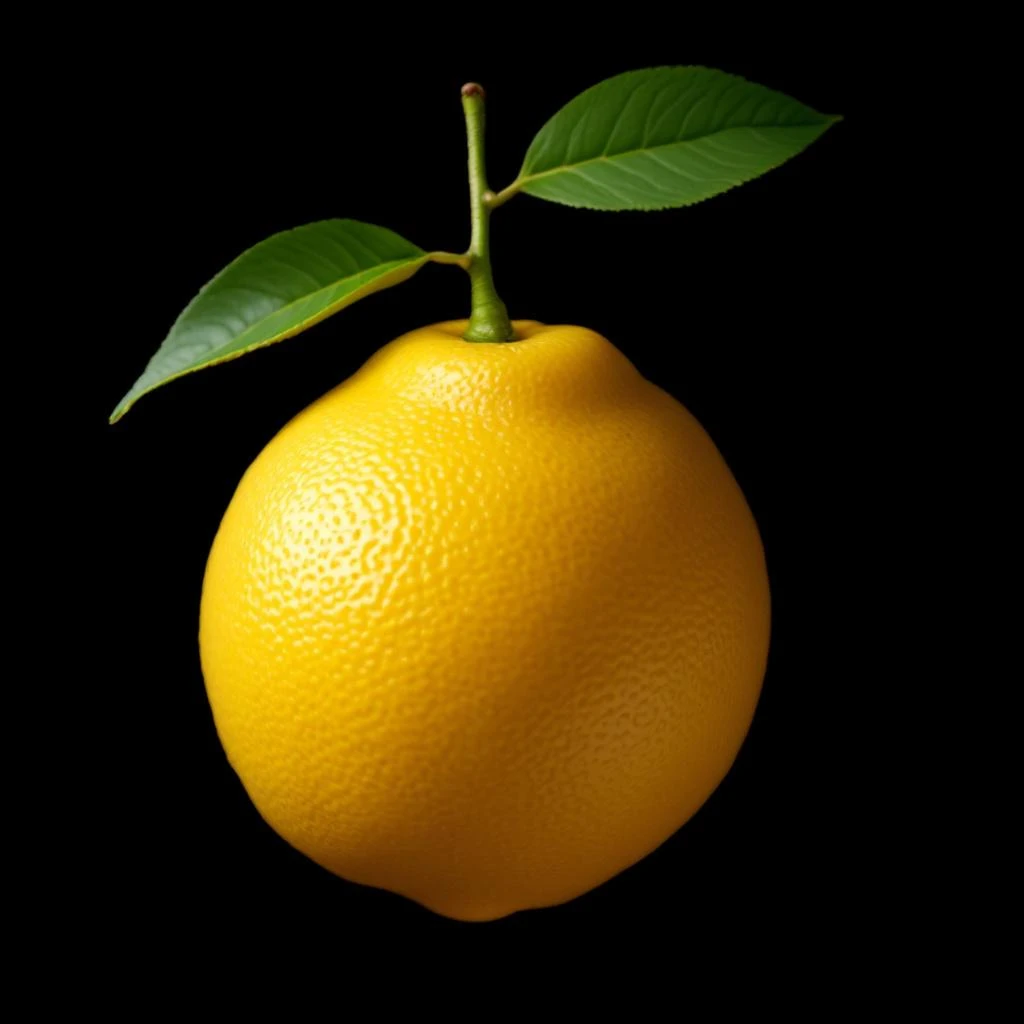
Grapefruit blossom traces its roots to the Citrus paradisi trees cultivated in southern China over a millennium ago. Ancient Chinese texts from the Tang dynasty describe the flower's use in ceremonial incense, highlighting its early cultural value. The fruit itself entered Western awareness in the early 20th century, with Florida producing its first grapefruit essential oil in 1933.
However, the blossom's oil stayed within regional markets until a 1975 trade exhibition in Shanghai showcased Chinese citrus extracts to European buyers. By the late 1970s, Parisian perfume houses began listing grapefruit blossom as a top‑note ingredient, attracted by its bright citrus lift and soft floral edge. Throughout the 1980s and 1990s, the note helped define modern summer fragrances, replacing traditional orange blossom in many compositions.
Today, sustainable harvest practices in Guangdong and Yunnan ensure a steady supply for global perfumers.
Wears it best
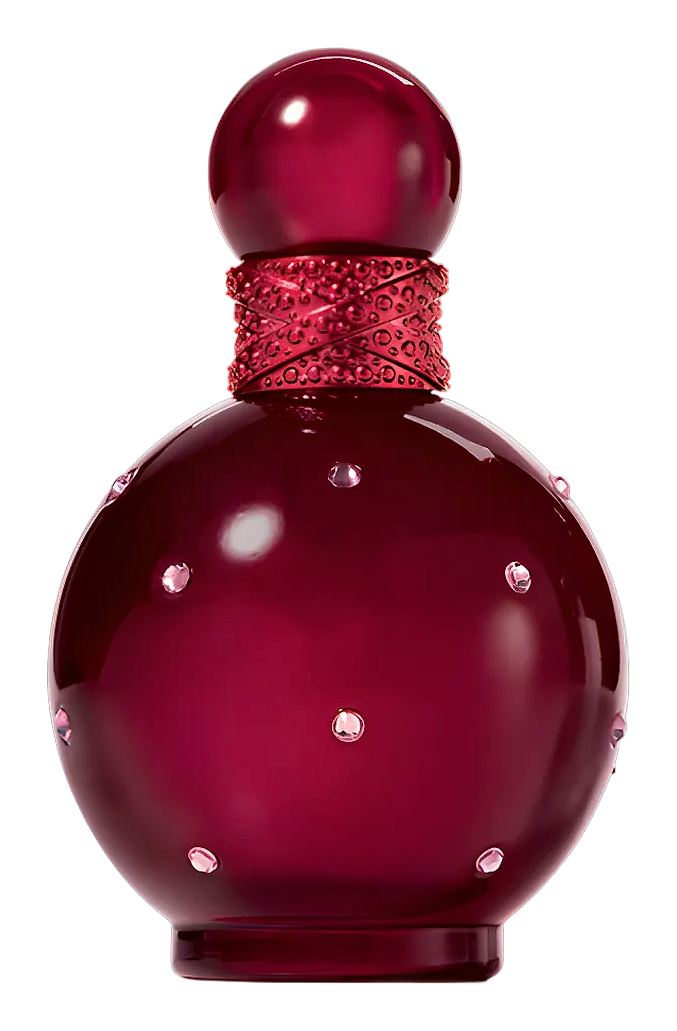
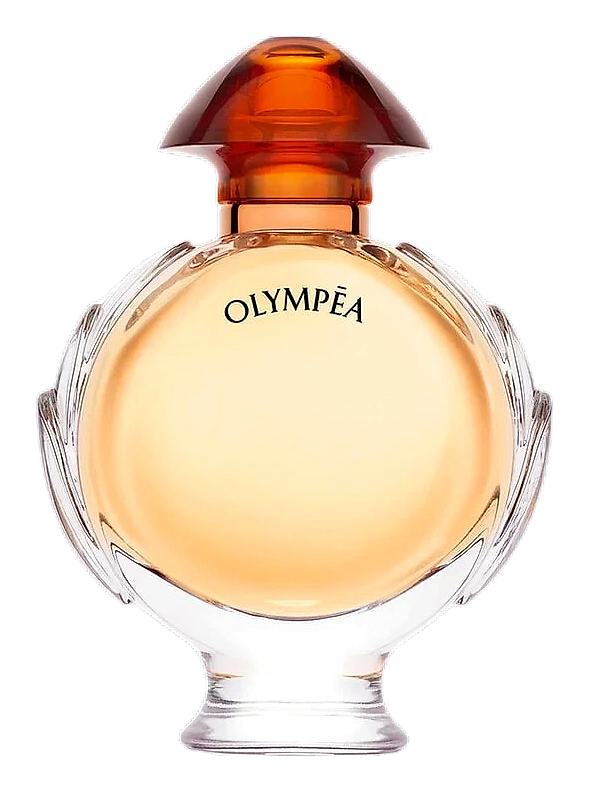
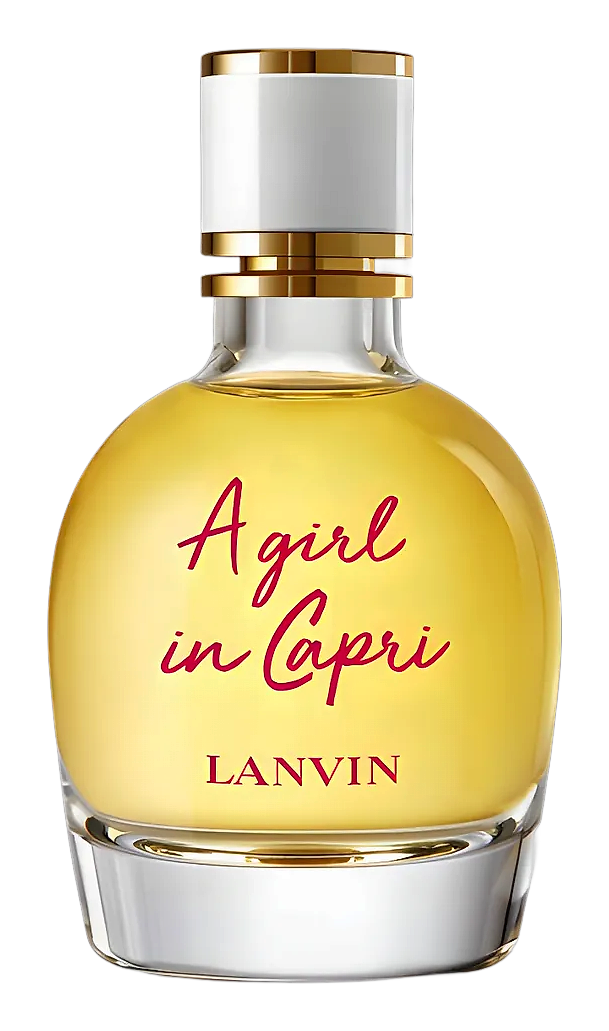
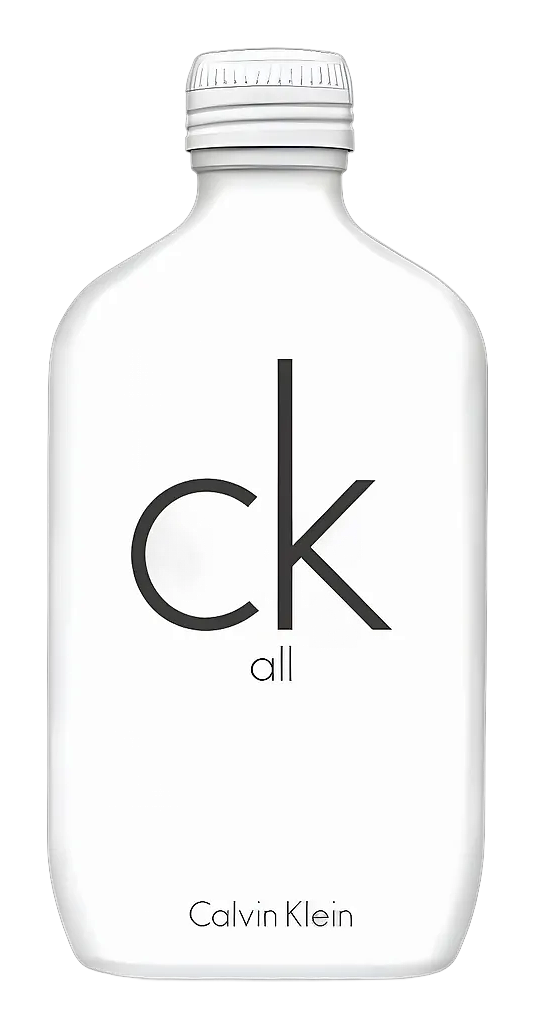
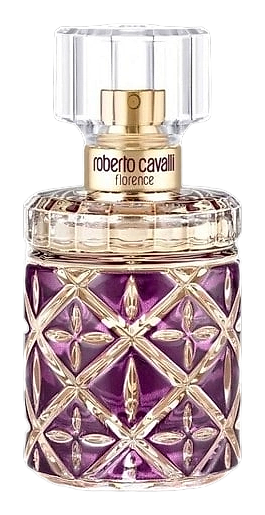
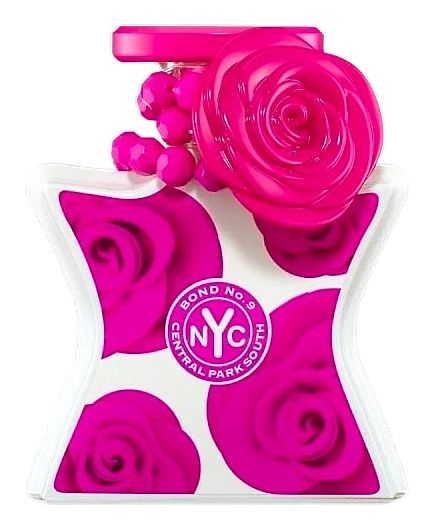
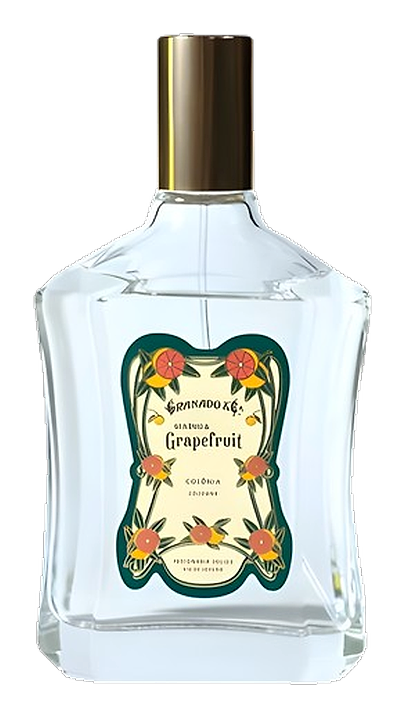
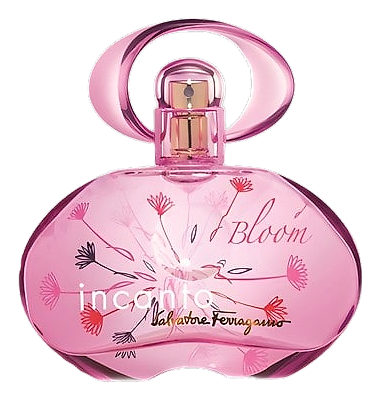
Fragrances featuring Grapefruit Blossom
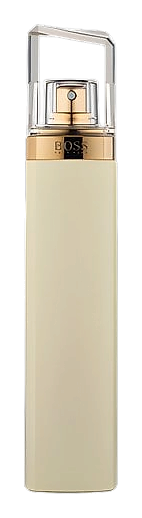
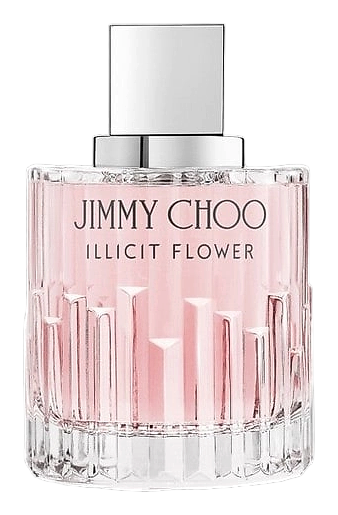
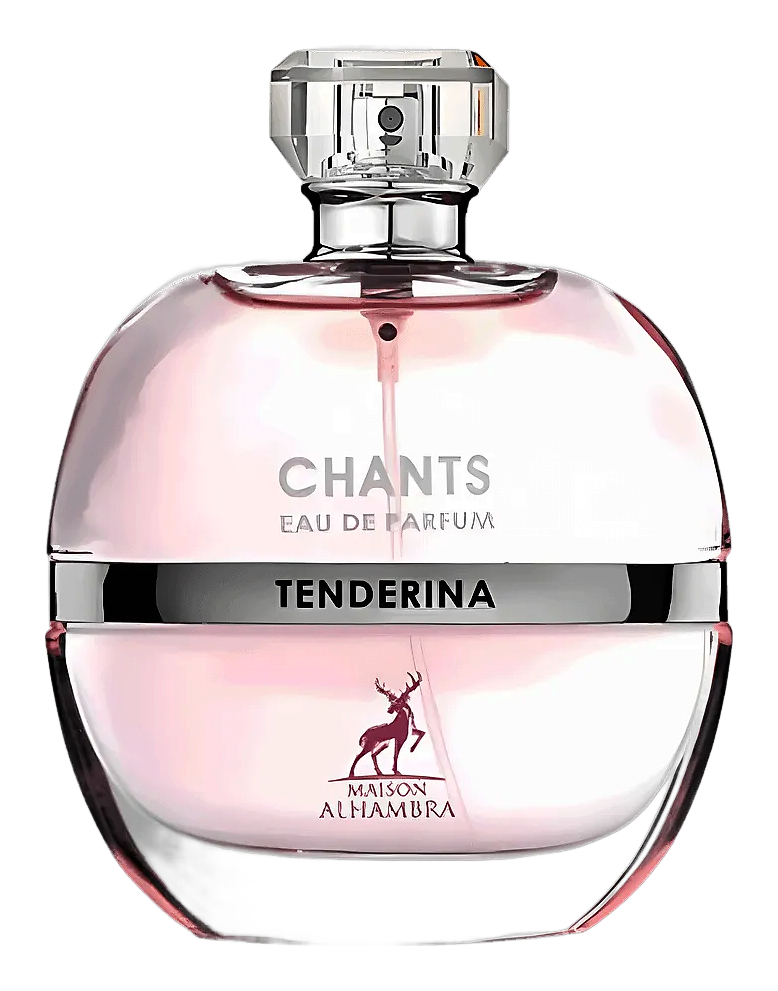
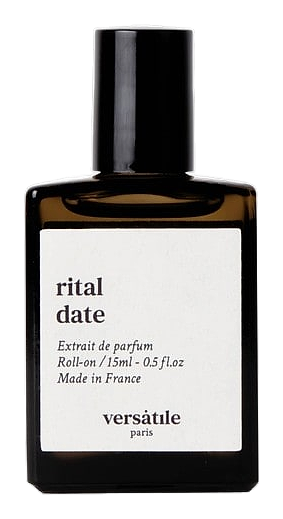
Brands
Brands known for Grapefruit Blossom
Good to know
Questions, answered
The essentials on Grapefruit Blossom in perfumery: how it smells, where it comes from, and how it behaves on skin.
What primary aroma does grapefruit blossom provide in a perfume?
It delivers a crisp citrus burst softened by a light floral edge. Laboratory analysis in 2021 recorded a top‑note volatility of 12 seconds, confirming its rapid lift in compositions and creating a refreshing opening that fades into the heart within minutes.
How is grapefruit blossom oil extracted?
The oil is obtained by solvent extraction of fresh flower petals. In 2022, a French laboratory reported a 0.8 % yield using hexane, preserving the delicate volatile profile. The resulting absolute contains over 30 identified compounds, including linalool and nerol.
Where does grapefruit blossom originate?
The blossom is native to the Citrus paradisi tree, first cultivated in southern China. Historical records from the Tang dynasty note its use in ceremonial incense, confirming early Chinese appreciation. Modern farms in Guangdong now supply over 70 % of global blossom material.
When did grapefruit blossom enter modern perfumery?
It appeared in Western fragrances in the late 1970s, after a 1975 trade exhibition showcased Chinese citrus extracts. By 1979, at least three Parisian houses listed it as a top‑note ingredient. The scent’s bright profile quickly replaced traditional orange blossom in summer collections.
What safety considerations apply to grapefruit blossom oil?
It is classified as a skin‑sensitizing material at concentrations above 0.5 % in leave‑on products. The International Fragrance Association recorded 12 cases of mild irritation in 2020 trials. Formulators therefore limit its use to 0.2 % in eau de toilette and employ patch‑testing protocols.
How does grapefruit blossom interact with other notes?
It amplifies fresh citrus accords while softening sharp bergamot edges. A 2021 blending study showed a 15 % increase in perceived brightness when paired with neroli, measured by a trained panel. The combination also stabilizes volatile loss, extending the top‑note duration by roughly two minutes.
Is grapefruit blossom sustainable?
The flower harvest follows a seasonal cut that leaves the tree fruit‑bearing branches intact. In 2023, a cooperative in Yunnan reported a 92 % regeneration rate of blossom buds after each harvest cycle. Such practices align with the Global Organic Textile Standard’s guidelines for renewable plant material.
Can grapefruit blossom be synthetically reproduced?
Yes, chemists recreate its key aroma compounds using synthetic linalool and nerol blends. A 2020 patent listed a formula that mimics 85 % of the natural scent profile as verified by GC‑MS. However, many perfumers prefer the natural absolute for its subtle complexity and trace terpenes.