The Story
Why it exists.
The beginning
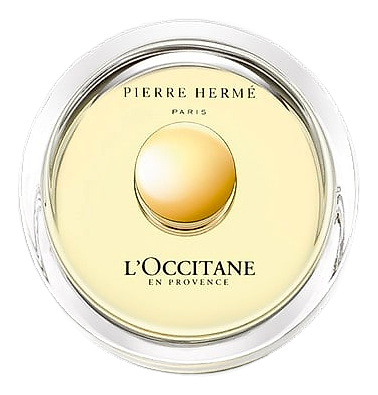
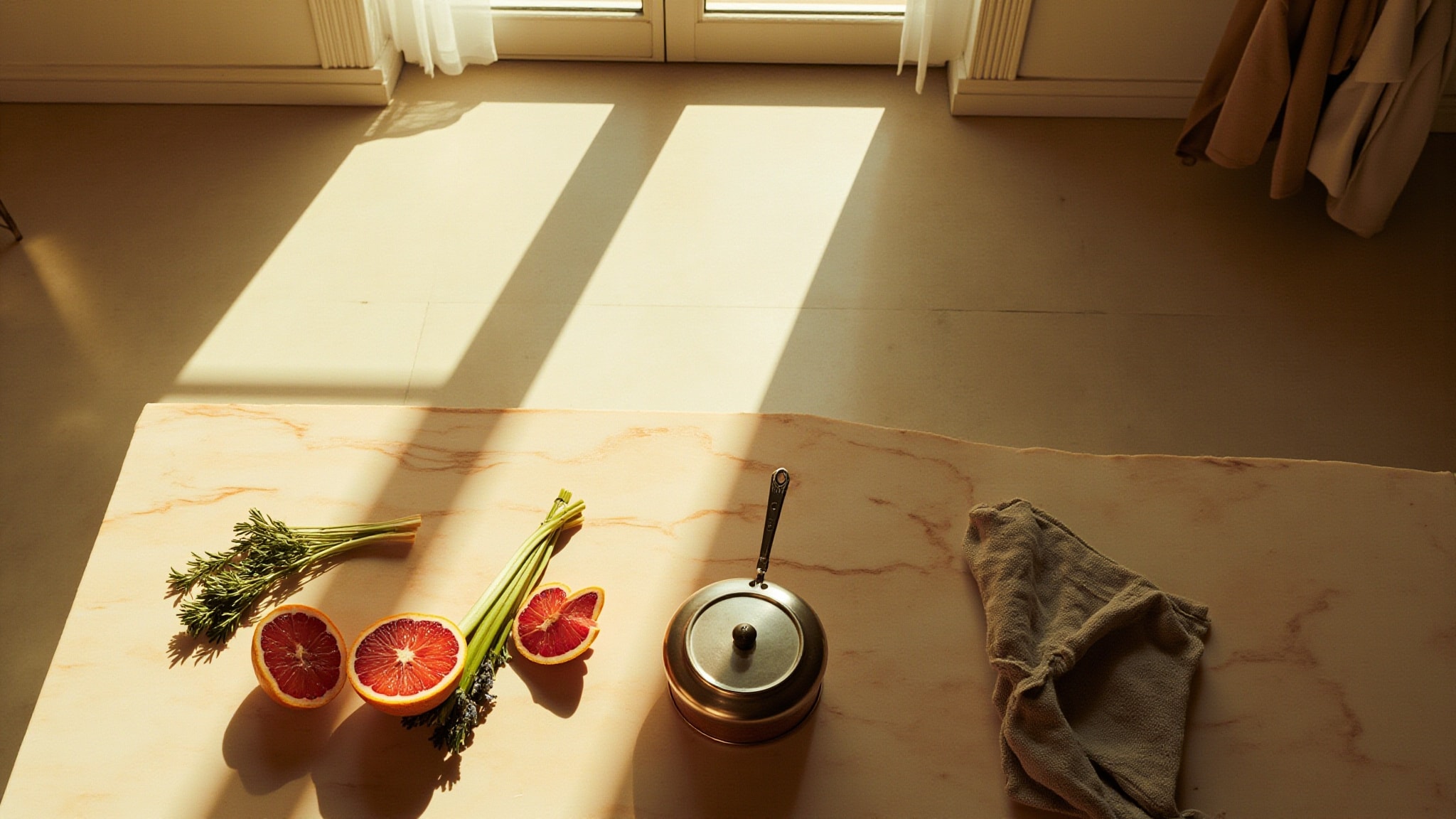
The 2015 holiday season brought together two French institutions: L'Occitane en Provence, with Olivier Baussan's botanical expertise in essential oils and natural ingredients, and Pierre Hermé, the pastry chef often called the Picasso of Macaron. Their collaboration produced three limited-edition fragrances, each translating the precision and sensory pleasure of French patisserie into olfactory form. Pamplemousse Rhubarbe was the freshest of the three, named for its two defining ingredients, grapefruit and rhubarb, rather than for any pastry metaphor.
What makes this pairing unusual is the rhubarb. In perfumery, it's typically used as a tart, almost vegetable-like note, less sweet than raspberry, more angular than strawberry. Here it intersects with the bold, zesty punch of grapefruit in the opening, creating a citrus composition that refuses to be simple or linear. The Provençal lavender and nutmeg in the heart shift the energy toward herbaceous warmth without losing the initial brightness, a middle ground that's harder to find than it sounds. It's a fragrance that could only come from a house rooted in botanical traditions, working with a pastry chef who understands how contrast creates memorability.
The evolution
The opening arrives bright, grapefruit hits first with real force, almost astringent, then the rhubarb adds its tart, almost green edge within seconds. The combination is immediate and confident. Within ten to fifteen minutes, the citrus softens slightly as the Provençal lavender emerges, bringing warmth and a subtle herbal quality that prevents the whole thing from going too sharp. The nutmeg and clove arrive together in the heart, adding a quiet spice that rounds the edges. By the second hour, the base takes over, vetiver and cedar working together to create a woody, slightly smoky foundation that stays close to the skin. Performance sits in the three-to-four hour range on most skin types, with moderate sillage that reads as intimate rather than overpowering. By hour four, only a faint trace of cedar remains.
Cultural impact
The 2015 collaboration placed this fragrance within a broader moment when fragrance houses were exploring cross-disciplinary partnerships with food and fashion. The L'Occitane-Pierre Hermé trio arrived alongside several other limited collections that year, each staking a claim on the artisanal, authentic fragrance space. Pamplemousse Rhubarbe stands apart for its citrus-rhubarb combination, which remains uncommon enough to make it worth noting.