
The Story
Why it exists.
The beginning
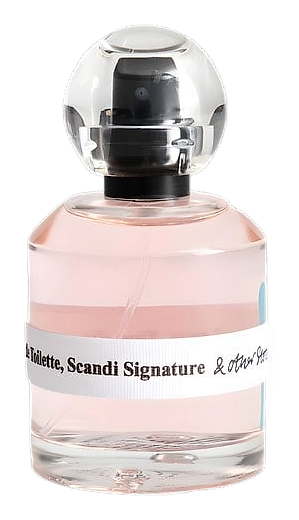
Jérôme Epinette created Scandi Signature in 2019 with a deceptively simple idea: what does a woman smell like when she's completely herself? Not performing. Not dressing for anyone. The Scandinavian brief pushed toward restraint, green over sweet, dry over soft, confident over flirtatious. The name itself says something. A signature isn't inherited. It's chosen. Worn until it becomes indistinguishable from skin.
The rhubarb in the top is the pivot point. It's tart in a way that reads almost metallic, that fresh-cut stem quality that stops the fragrance from becoming another sweet rose. Pair it with bitter orange and you get something that's undeniably citrus but refuses to be cheerful. The geranium and lotus in the heart keep the rose honest, adding a green herbalism that grounds what could otherwise float away. Sequoia as a base note is the real commitment. Most designers reach for cedar. Sequoia is drier, almost mineral. It reads like sun-warmed wood instead of a forest floor.
The evolution
The opening lands sharp and immediate, rhubarb and citrus hitting at once, that clean-green-bright trifecta doing its work for the first fifteen minutes. Then the citrus pulls back and the rose blooms in slowly, taking its time over the next couple hours as it settles into skin warmth. The sequoia and amber announce themselves quietly, not replacing the rose but underlining it, adding depth without weight. What surprises most people is how the green note hangs around even after the rose fades, that stemmy freshness that lingers in the final stage, dry and clean, like walking away from a garden in afternoon sun.
Cultural impact
Scandi Signature arrived in 2019 as part of a broader cultural moment around Scandinavian minimalism, not just in fashion but in how people wanted to present themselves. Less performance, more presence. The fragrance caught on with women who wanted scent to feel like a quiet signature rather than a loud introduction. It found its audience through word of mouth, the way good things often do.