American Sequoia Wood
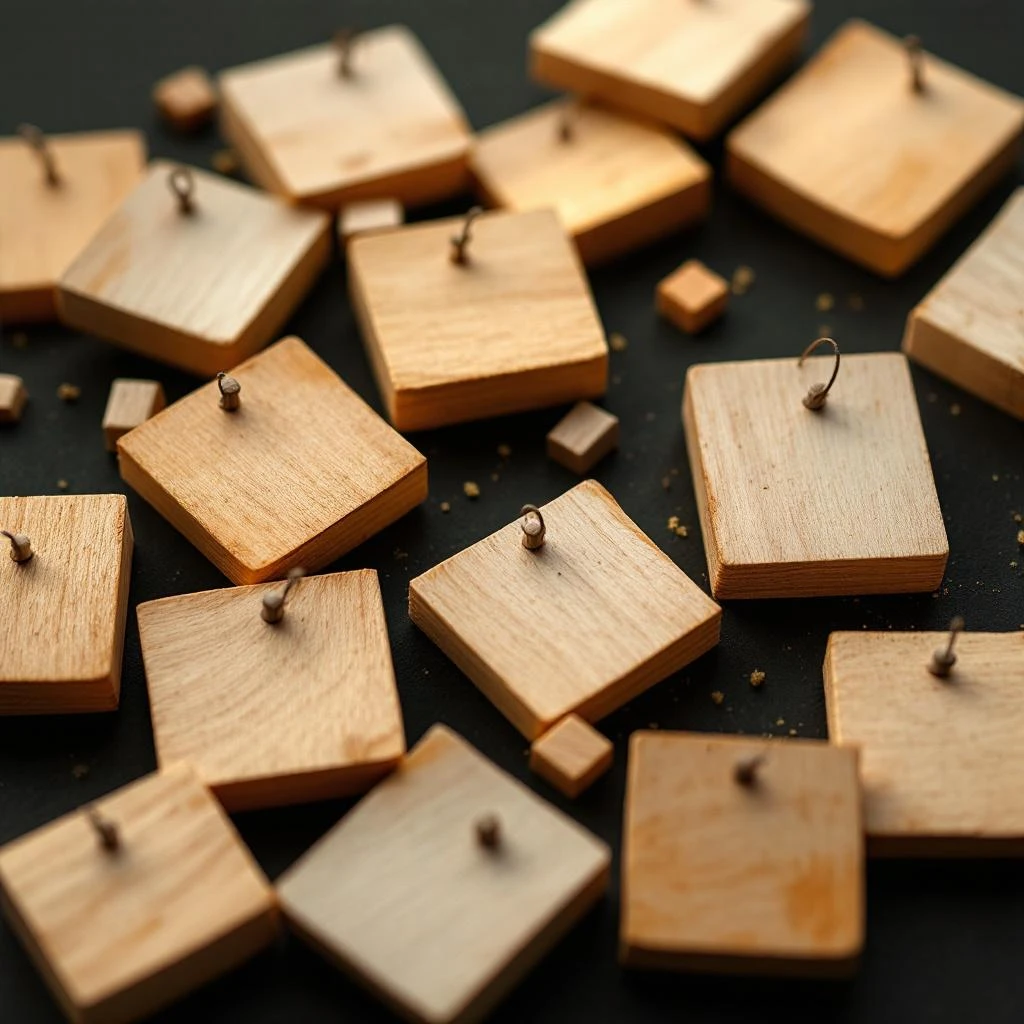
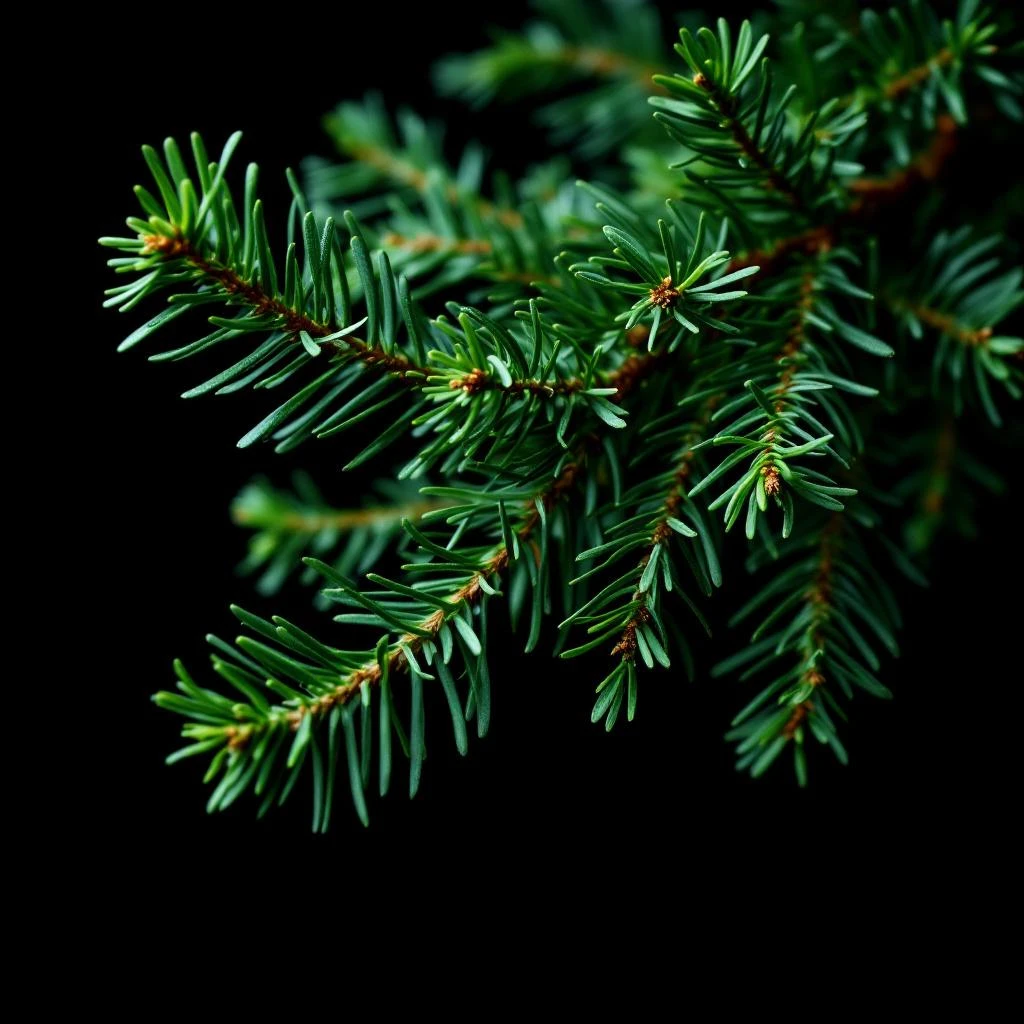
Native to the misty forests of Northern California, American Sequoia Wood brings a warm, dry aromatic profile to perfumery. This towering giant yields a woody base note that grounds compositions with quiet depth and subtle earthiness.
Character
How it smells
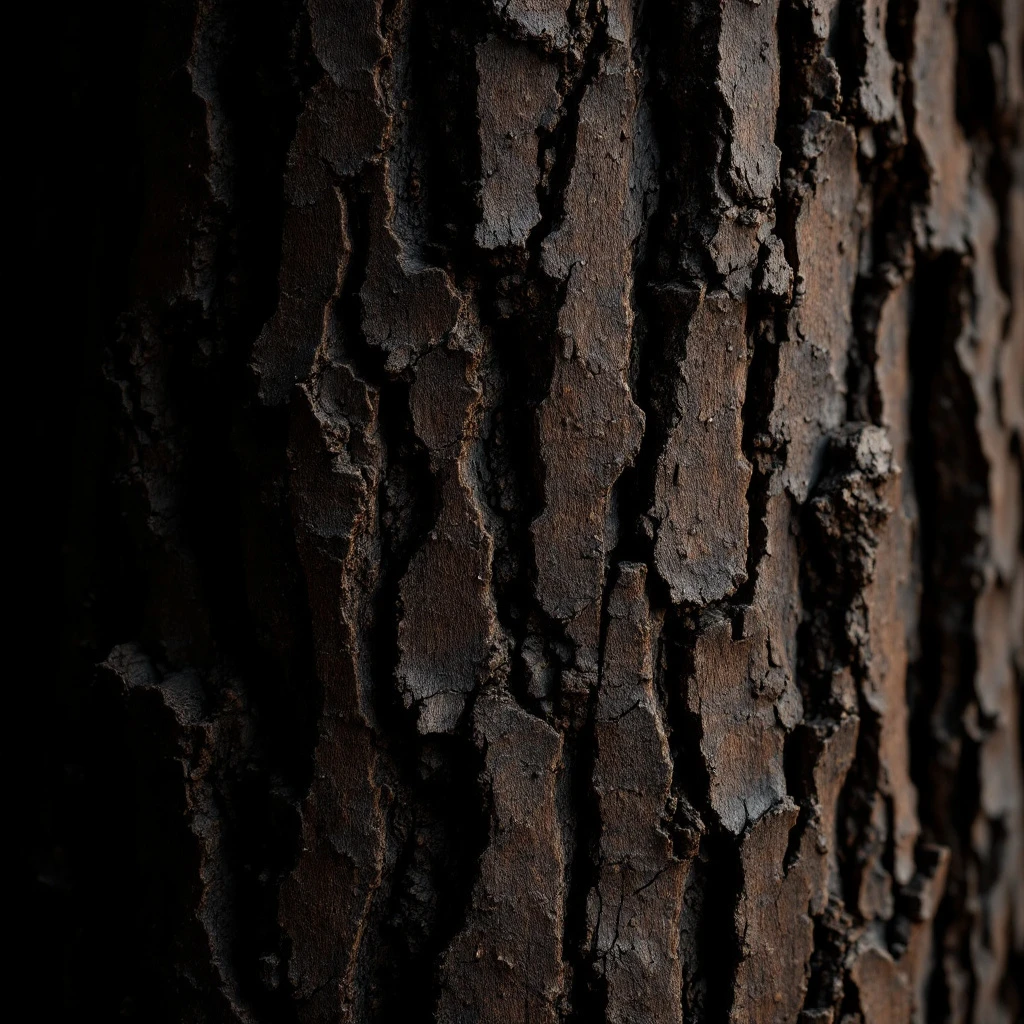
Ancient giants, modern warmth.
Sequoia sempervirens includes the world's tallest known living tree, measuring over 381 feet in height.




Origin
United States
The genus Sequoia emerged roughly 20 million years ago, making it one of the oldest living tree lineages on Earth. Indigenous peoples of what is now California used sequoia bark and wood for medicinal purposes,熏香, and ceremonial applications long before European settlement. The massive scale of these trees shaped cultural narratives among local tribes, who considered the ancient specimens sacred.
Modern perfumery began incorporating sequoia-derived materials only in recent decades as sustainable sourcing became more feasible. The wood's aromatic use reflects a broader shift toward North American botanical ingredients in fine fragrance, moving away from traditional European and Middle Eastern perfume materials toward locally-sourced alternatives that offer comparable woody depth.
Wears it best
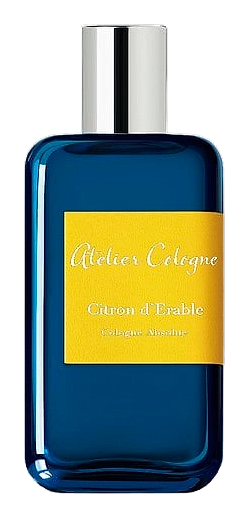
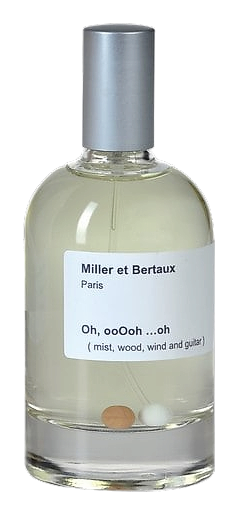
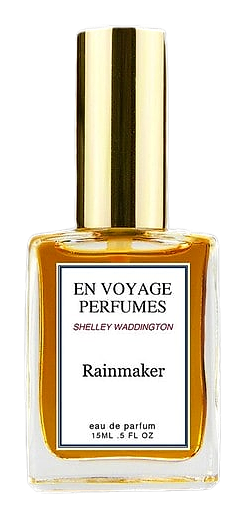
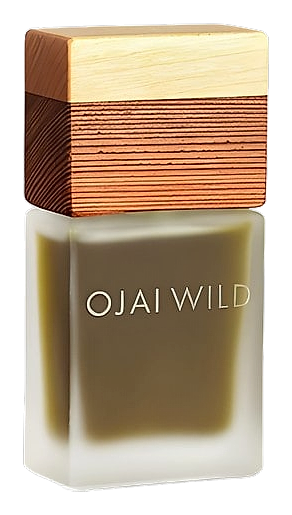
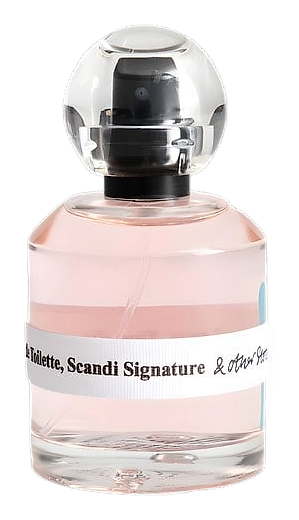
Fragrances featuring American Sequoia Wood


Brands
Brands known for American Sequoia Wood
Good to know
Questions, answered
The essentials on American Sequoia Wood in perfumery: how it smells, where it comes from, and how it behaves on skin.
What does American Sequoia Wood smell like?
Sequoia wood offers a warm, dry aromatic profile with dry woody and subtle earthy undertones. It provides a clean forest character rather than heavy smoke, grounding compositions with quiet depth.
Is sequoia wood used in sustainable perfumery?
Yes, ethical sourcing typically draws from lumber byproducts and storm-fallen timber rather than harvesting living trees. This approach maintains the species' protected status while supporting sustainable supply chains.
How does sequoia wood compare to other woody notes like cedar?
Sequoia sits between cedarwood and sandalwood in character, offering dry woody notes with less resinous intensity than oud and more warmth than many coniferous alternatives.
What type of extraction produces sequoia wood oil?
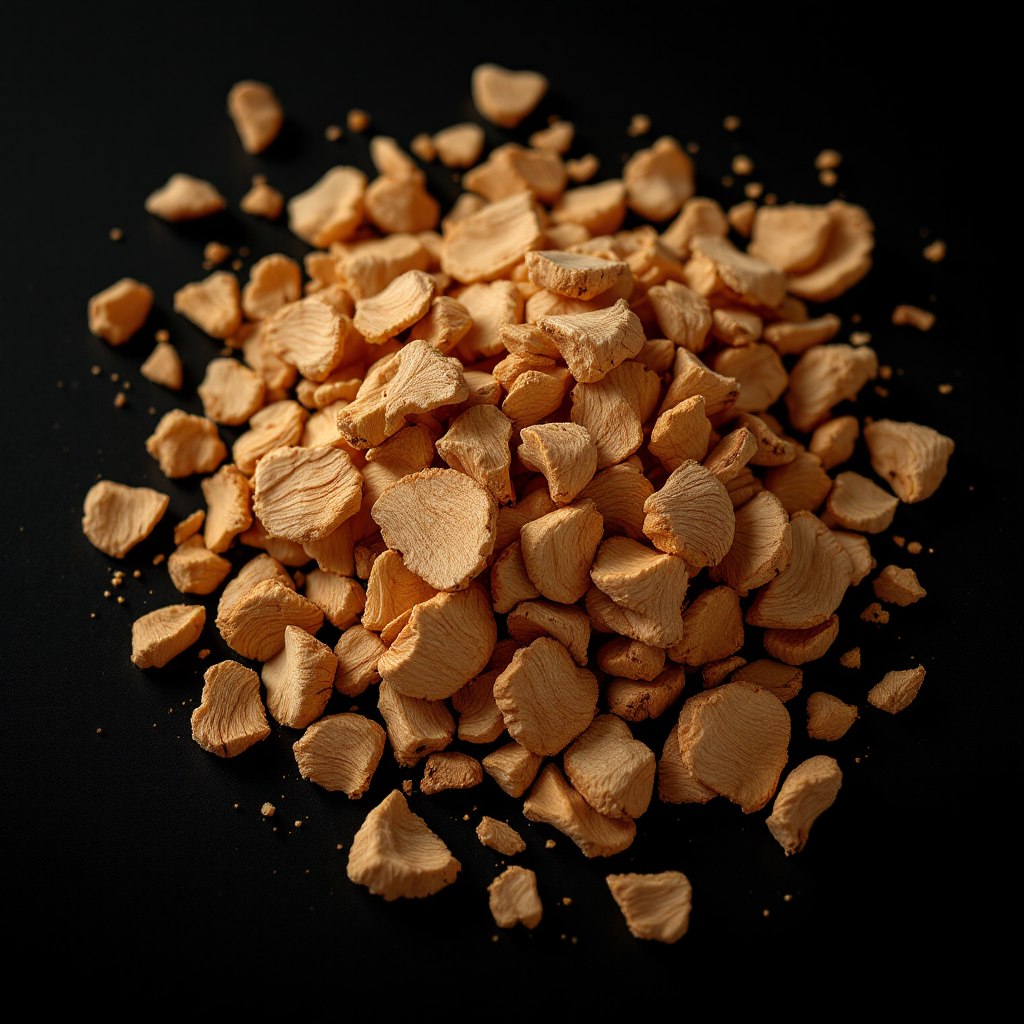
Steam distillation extracts the aromatic compounds from wood chips and sustainable byproducts. This method preserves the wood's natural aromatic profile without synthetic solvents.
How long have sequoia trees existed?
The genus Sequoia dates back roughly 20 million years, with ancient specimens living 2,000+ years. These trees represent one of Earth's oldest continuous lineages.
What makes sequoia wood distinctive among perfume ingredients?
The combination of ancient lineage and North American origin gives sequoia wood a unique market position as a domestically-sourced alternative to imported woody materials.
What fragrance families pair well with sequoia wood?
Sequoia wood works well in woody, aromatic, and fougere compositions. It pairs naturally with coniferous notes, vetiver, and drier florals like lavender and clary sage.
Can sequoia wood be used as a base note in fragrance?
Yes, sequoia wood functions effectively as a base note, providing depth and longevity to compositions. Its moderate sillage makes it suitable for both subtle and more pronounced woody fragrances.