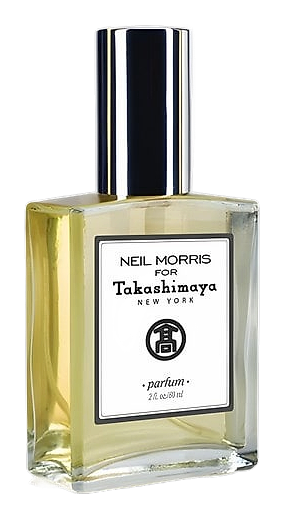
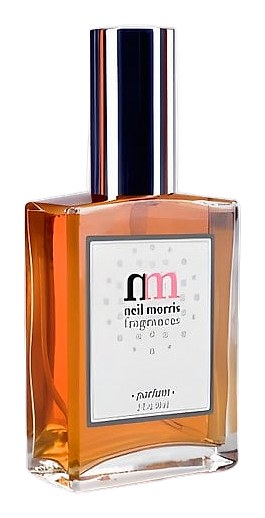


    Brand Profile

    Neil Morris Fragrances is an American house that grew out of a kitchen laboratory in the 1960s. Founder Neil Morris began mixing oil blends…More

    United States·Est. 1970·Site

    3.4

    Rating

    50
    Dark Season by Neil Morris
    Best Seller
    4.6

    Dark Season

    Rumi by Neil Morris
    Best Seller
    4.6

    Rumi

    Chasing Autumn by Neil Morris
    Best Seller
    4.6

    Chasing Autumn

    Earthtones #1: Dark Earth by Neil Morris
    4.4

    Earthtones #1: Dark Earth

    Leather Garden by Neil Morris
    4.3

    Leather Garden

    Burnt Amber by Neil Morris
    4.3

    Burnt Amber

    Le Parfum d'Ida by Neil Morris
    4.3

    Le Parfum d'Ida

    Earthtones #3: North Woods by Neil Morris
    4.3

    Earthtones #3: North Woods

    Fetish by Neil Morris
    4.3

    Fetish

    Flowers for men: Gardenia by Neil Morris
    4.3

    Flowers for men: Gardenia

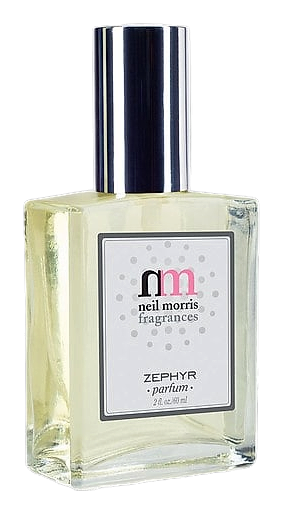
    Zephyr by Neil Morris
    4.2

    Zephyr

    Midnight Flower by Neil Morris
    4.1

    Midnight Flower

    1 of 5

    The Heritage

    The Story of Neil Morris

    Neil Morris Fragrances is an American house that grew out of a kitchen laboratory in the 1960s. Founder Neil Morris began mixing oil blends for friends during the counter‑culture era, then opened a custom‑blended counter inside Bloomingdale's in 1970. Over the decades he has turned personal memory into scent, offering a catalogue that includes Rumi (2009), Dark Season (2008) and Chasing Autumn (2014). The brand remains a small, client‑focused operation where the perfumer’s name still appears on every bottle, a rarity in a market dominated by faceless houses.

    Heritage

    The story of Neil Morris Fragrances starts in the mid‑1960s, when a young Neil Morris experimented with essential oils in his apartment, creating simple blends for family and friends. Those early experiments caught the attention of a wider circle, and by the late 1960s he was fielding requests from acquaintances who wanted a scent that captured a particular moment. In 1970 the venture formalised as a company and secured a space at Bloomingdale's, where a dedicated counter allowed shoppers to design their own fragrance under Morris’s guidance. This retail partnership gave the brand its first public platform and introduced the concept of “fragrance mixology” to a mainstream audience. Morris describes himself as self‑taught; he began composing full‑scale perfume structures in 1975, a practice that continued alongside his retail work. The 1980s saw the launch of a series of niche releases, including the early Earthtones line, which explored natural landscapes through scent. By the turn of the millennium Morris introduced Fetish (2000), a darker, more experimental composition that signalled a willingness to push beyond conventional accords. The 2000s brought a steady stream of critically noted releases: Dark Season (2008) and Rumi (2009) both earned mentions in specialty perfume blogs, while Chasing Autumn (2014) was highlighted for its nuanced amber and woody notes. Throughout its history the house has remained independent, avoiding acquisition by larger conglomerates and keeping production in small batches. Recent years have seen collaborations with artists and other niche houses, such as the 2023 ARCANE KNOWLEDGE project, which demonstrates the brand’s continued interest in cross‑disciplinary creativity while staying rooted in its original client‑centric ethos.

    Craftsmanship

    Production at Neil Morris Fragrances follows a hands‑on model. Raw materials are sourced from both established suppliers and small farms, with a focus on ingredients that can be traced to their origin. For example, the fig accord used in several Mediterranean‑inspired scents comes from a cooperative on the island of Melina, where growers practice low‑pesticide cultivation. Once the ingredients arrive, Morris conducts small‑scale trials in his studio, adjusting ratios by hand rather than relying on computer‑generated formulas. The blending process typically takes place in glass vessels to avoid metal contamination, and each batch is recorded in a ledger that notes temperature, humidity, and the exact weight of each component. After the perfume oil reaches its target profile, it is left to macerate for a period that can range from a few weeks to several months, depending on the complexity of the composition. Quality control includes blind testing with a panel of trusted clients and industry peers, ensuring that the final product matches the original brief. Bottling is performed in limited runs; glass bottles are hand‑filled, capped, and sealed with a wax strip that bears the brand’s simple monogram. This meticulous approach minimizes waste and maintains the integrity of the scent, allowing each release to retain the character intended by the perfumer.

    Design Language

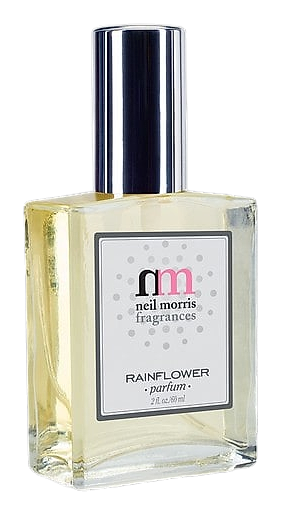
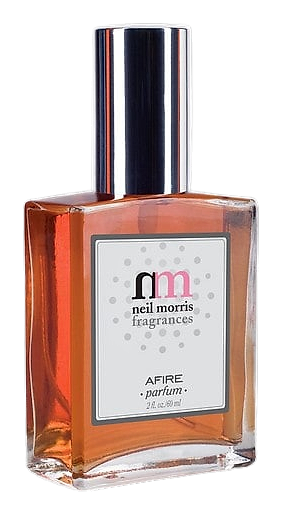
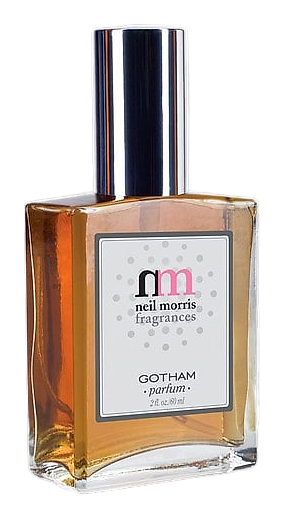
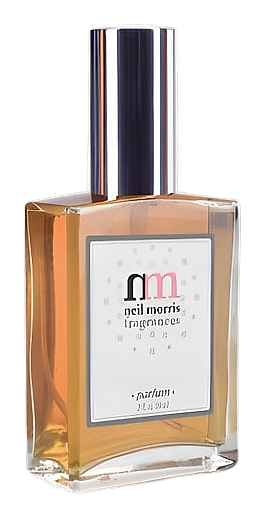
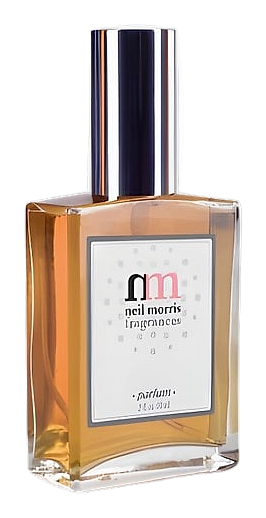
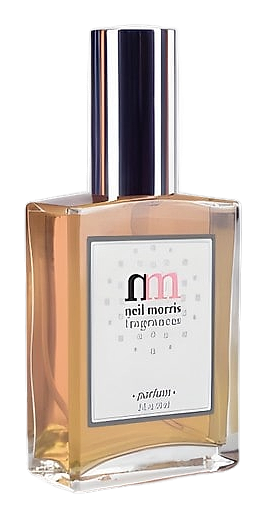
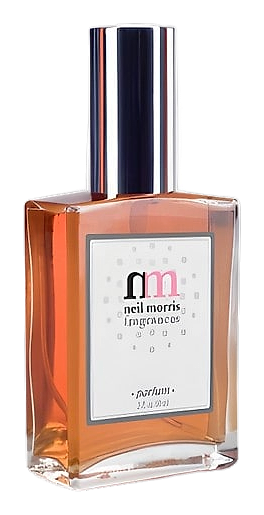
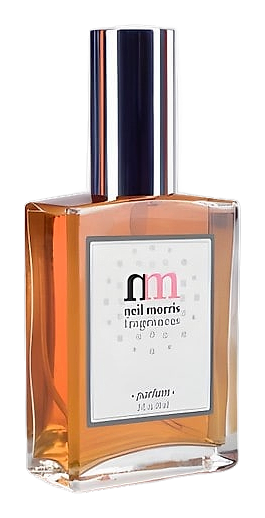
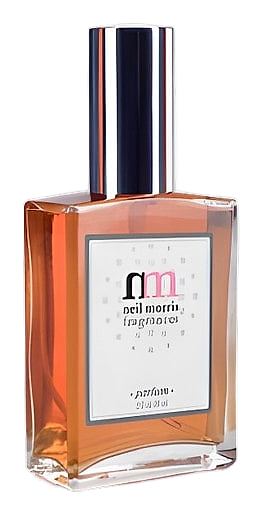
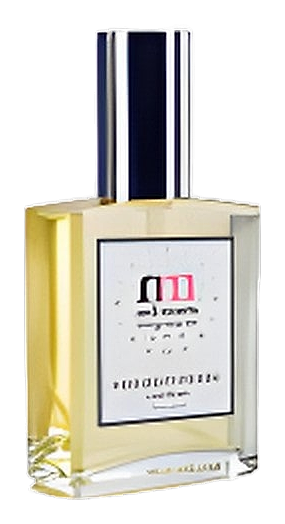
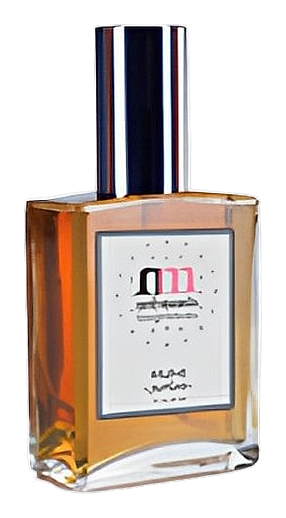
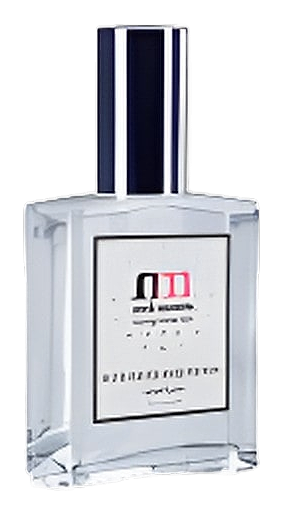
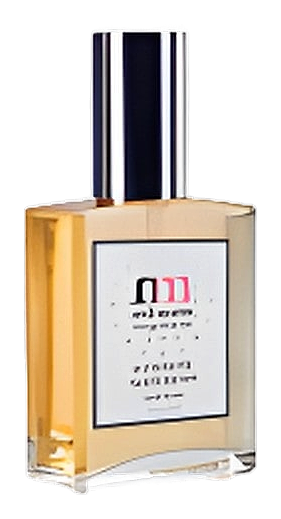
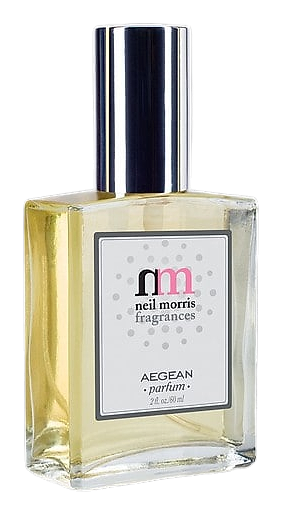
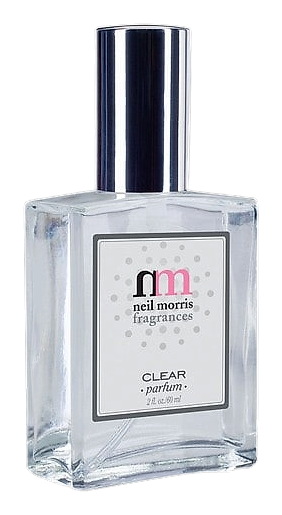
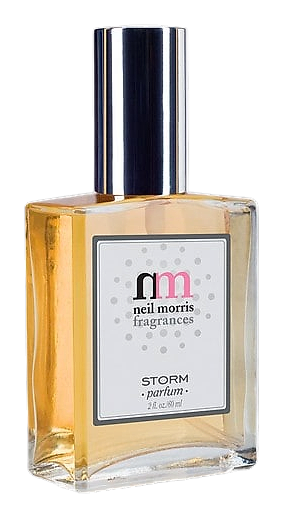
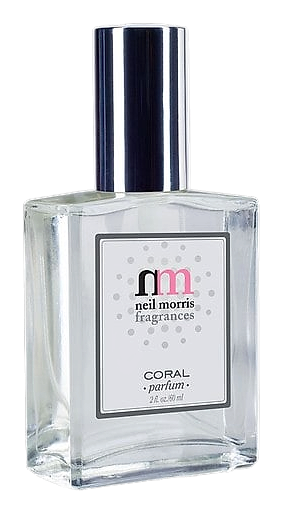
    Visually, Neil Morris Fragrances embraces a restrained, almost utilitarian look that lets the perfume speak for itself. Bottles are typically clear or amber glass with clean lines, a narrow neck, and a simple metal or wooden cap. The label features the perfumer’s name in a modest serif typeface, often accompanied by a brief note about the fragrance’s inspiration. Packaging boxes are unadorned, using matte black or natural kraft paper, and include a handwritten card that explains the scent’s story. This minimal presentation reflects the brand’s belief that perfume should be experienced rather than advertised. In retail settings, the custom‑blended counter at Bloomingdale’s was designed with polished wood and brass fixtures, evoking a classic apothecary atmosphere. Recent collaborations have introduced limited‑edition sleeves that incorporate artwork from contemporary illustrators, but even these retain the same muted palette and focus on texture over flash. The overall image is one of quiet confidence, appealing to collectors who appreciate substance over spectacle.

    Philosophy

    Neil Morris frames perfumery as a dialogue between scent and memory. In interviews he explains that his greatest pleasure comes from listening to a client’s happiest moments and translating those stories into olfactory form. This approach treats each fragrance as a personal narrative rather than a market trend, and it informs the way he selects raw materials, balances accords, and names his creations. The brand values transparency; Morris often shares the inspiration behind a scent, whether it is a hospital wall that shimmered during recovery (the basis for the limited edition Shimmering) or a Mediterranean fig garden that recalls his childhood visits to Greece. Sustainability is addressed through careful sourcing of natural ingredients, with a preference for suppliers who practice responsible harvesting. While the house does not claim to be revolutionary, it consistently aims to preserve the artisanal spirit of perfumery, allowing the perfumer’s hand to remain evident in every bottle. This philosophy resonates with collectors who seek a scent that feels intimate rather than mass‑produced.

    Key Milestones

    1960

    Neil Morris begins creating oil blends for friends during the hippie era

    1970

    Company founded and custom‑blended counter opens inside Bloomingdale's

    1975

    Morris starts composing full perfume structures as a self‑taught perfumer

    2000

    Release of Fetish, a darker experimental fragrance

    2008

    Dark Season and Earthtones #1 Dark Earth launch, gaining niche press attention

    2014

    Chasing Autumn released, noted for its nuanced amber and woody accords

    At a Glance

    Brand profile snapshot

    Origin

    United States

    Founded

    1970

    Heritage

    56

    Years active

    Collection

    1

    Fragrances released

    Avg Rating

    3.4

    Community sentiment

    Release Rhythm

    2019
    1
    2014
    1
    2013
    1
    2011
    5
    2009
    4
    2008
    4
    2007
    1
    2000
    6
    neilmorrisfragrances.com

    Did You Know?

    Interesting Facts

    Distinctive details and defining moments that shape the house personality.

    01

    Neil Morris created his first oil blends in the 1960s without formal training, relying on trial and error in a home kitchen.

    02

    The brand’s first public venue was a dedicated fragrance counter inside Bloomingdale's, a rare model for independent perfumers at the time.

    03

    Morris cites a hospital wall that shimmered during his recovery as the direct inspiration for the limited edition fragrance Shimmering.

    04

    Despite operating for over five decades, the house still produces each batch by hand, with the perfumer personally overseeing the maceration period.

    The Artisans

    The Perfumers