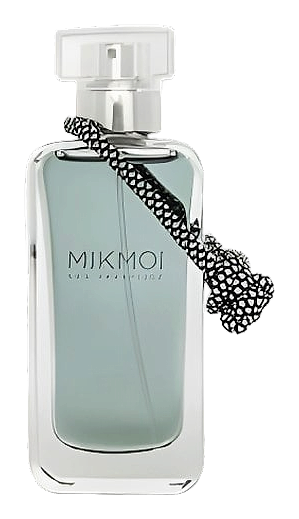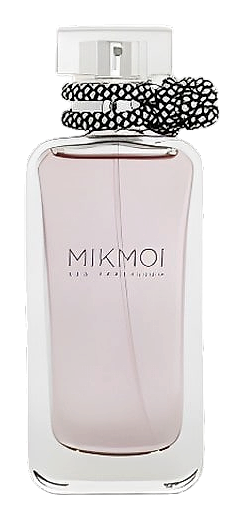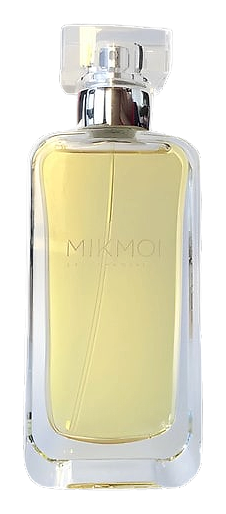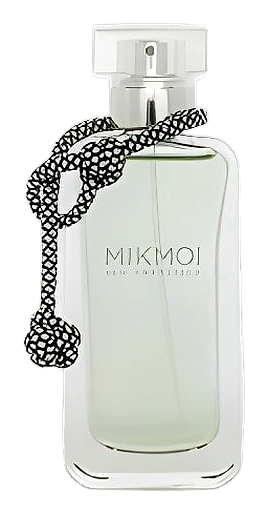
The Story
Why it exists.
The beginning
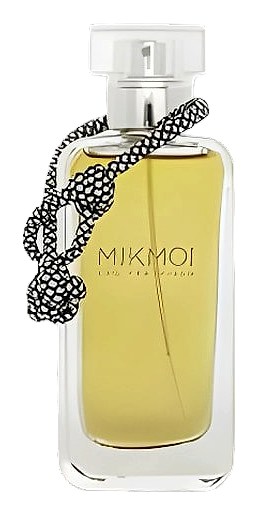
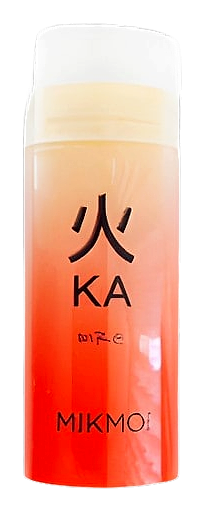
Ka arrived under the title 'Ka - Fire,' a name that pairs the reading of the character with a direct English translation. The composition is credited to Michael Coyle, and it centers on a single stubborn question: what does wood smell like when it remembers being flame. Not the smoke, not the char, but the memory of heat that lingers inside the grain long after the fire has gone. Coyle builds the answer from California redwood, a material already dense with resinous gravity, and pink pepper, whose sharp, almost metallic brightness reads less like a garnish than like the last flicker of something still alive in the wood. On skin, the redwood arrives first as a cool, sappy darkness, the kind of scent you'd associate with a plank pulled from a shaded forest floor.
What makes Ka interesting isn't the obvious route of smoky incense or burnt sugar, and it isn't a straightforward wood fragrance either. Michael Coyle took California redwood, already dense with resinous gravity, and placed pink pepper alongside it, allowing the two materials to interact over hours of wear. The pepper opens with a sharp, almost metallic brightness, a sensation that reads more like sudden heat than like spice, and it sits on top of the redwood's cool, sappy darkness like a struck match held over a plank. As the fragrance develops, the two notes begin to blur.
The evolution
The pepper arrives before the wood does, a quick bright crack that lasts maybe ten minutes. Then something happens that you don't expect: the redwood doesn't smell green or freshly cut. It smells old, like lumber that's been sitting in a dry barn for decades, warm from a sun that hit it yesterday. The pepper's sharpness softens but never fully disappears. It threads through the whole wear like a live wire, just dimmer. Around the third hour the whole composition settles into something denser and more skin-like. The wood notes pull closer. The pepper turns from sharp to warm. By hour five or six you're left with a quiet, almost waxy redwood close to the body, the kind of scent that lingers on a collar the next morning. It doesn't project hard after the first hour. It stays in your orbit.
Cultural impact
Ka belongs to a particular kind of fragrance practice, one where the goal isn't to layer dozens of materials into something sprawling but to let a single idea occupy the full space. The composition uses just two real working notes, California redwood and pink pepper, and asks them to do everything. That kind of restraint is rare, and it produces a scent that feels closer to a word in a vocabulary than to a statement. On skin, Ka behaves like a quiet companion. The redwood's cool, resinous gravity grounds the first hour, and the pink pepper's metallic heat flickers above it like something still remembering how to burn.
The House
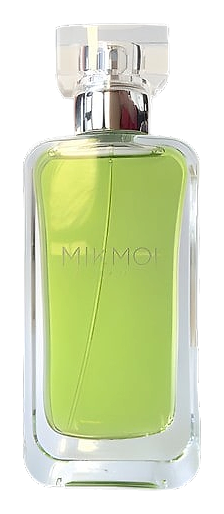
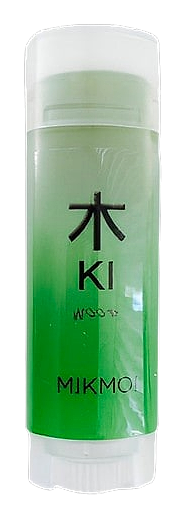
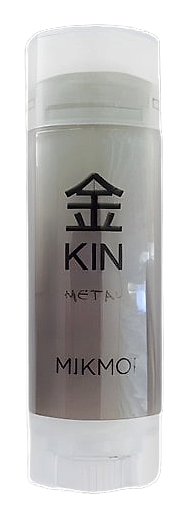
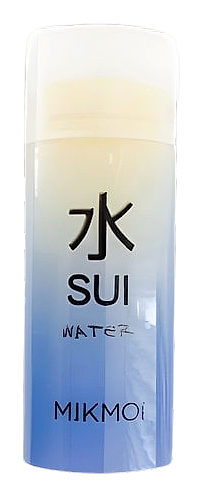
MIKMOIMIKMOI is a niche fragrance house founded by perfumer Mik in San Francisco, California. The brand emerged in the early 2010s with a distinctive approach to scent creation, offering small-batch perfumes with minimalist naming conventions. MIKMOI fragrances explore singular olfactory concepts, from woody to metallic, aquatic to abstract, with names drawn from single words and syllables that suggest both Eastern and Western influences. The house gained attention for its independent spirit and willingness to experiment with unconventional materials and combinations, including absinthe and carnation in early compositions. Operating outside the traditional perfume industry structures, MIKMOI represents a new generation of American perfumers building their own creative vocabulary from the ground up.
The Creator
Michael CoyleCoyle gravitates toward materials with strong emotional resonance. Fragrance enthusiasts who have encountered his work note his use of lactonic notes, describing one creation as smelling like cereal milk with vanilla and fruity undertones.