
The Story
Why it exists.
The beginning
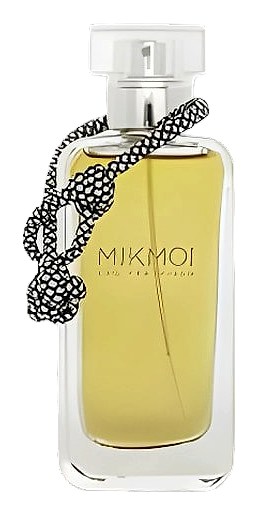
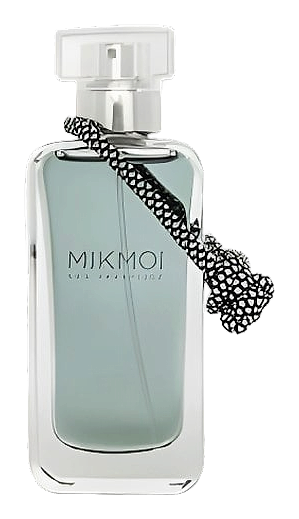
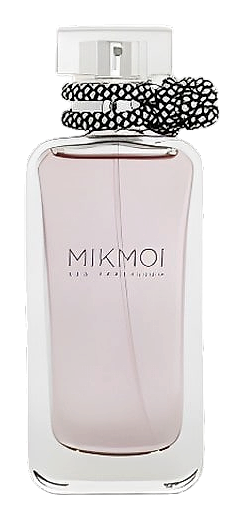
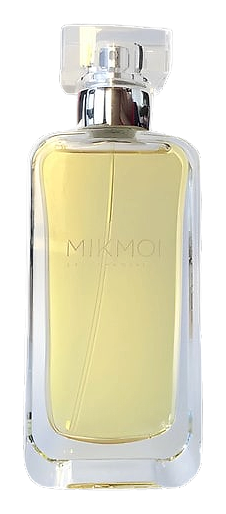
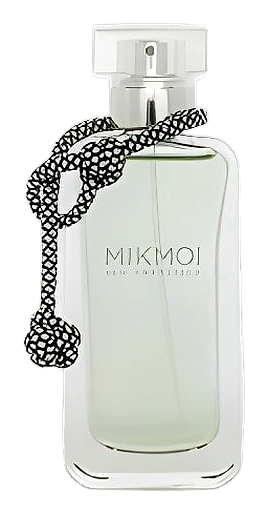
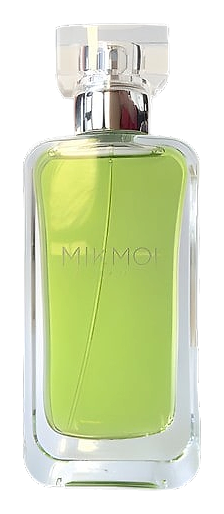
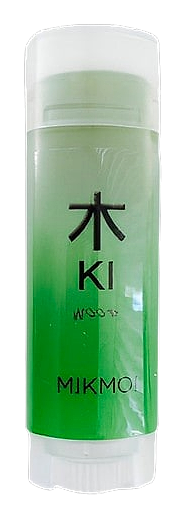
Ki/Wood arrived in 2014 from MIKMOI, the San Francisco-based house built by Michael Coyle, a self-taught perfumer working outside the industry pipeline. The brand had launched its first compositions just a year earlier, and each release since has explored a single olfactory idea stripped to its essentials. Ki/Wood takes its name from the Japanese character ki, meaning tree or wood. A one-word concept, no marketing flourish, exactly the kind of restraint that defines the house. Coyle's approach treats fragrance as vocabulary rather than decoration, a private language the wearer constructs for themselves. The limited release signals intent: this is not a composition engineered for universal comfort. It's a statement about a material, a place, a feeling. Coyle built it for the person who wants their scent to say something specific, even if that something is a forest edge most people walk past without noticing.
Poplar buds are the unusual choice here, and they earn the spotlight. The material carries a green, slightly bitter, almost pharmacopeial character that recalls birch tar without the smoke. It's a divisive note in niche perfumery, polarizing because it refuses to be pleasant in a conventional way. Pairing it with rosewood and pine is a deliberate move away from the smooth, sandalwood-forward woody compositions that dominate the category. The result reads almost like ink on paper, vegetal and sharp, closer to absinthe than to cedar. MIKMOI's willingness to lead with a material this uncompromising is the point. The brand sources uncommon aromatic ingredients and lets them speak before anything else gets a turn.
The evolution
The first ten minutes are confrontational. Pine and poplar hit cold and resinous, a green so sharp it almost reads as sour. There's nothing sweet to soften the landing. By the thirty-minute mark, rosewood starts warming underneath, pulling the composition away from the forest floor and toward something closer to wood shavings and dried bark. The bitterness doesn't leave. It just finds company. Around the two-hour mark, the scent settles into its most wearable phase: the poplar softens, the pine recedes, and the woody base takes over with a quiet, pencil-shaving warmth that stays close to the skin. On fabric, the drydown lingers into the next day, a ghost of green and wood that surfaces when you lift a scarf or pull a jacket from a chair. It doesn't project far. It doesn't need to.
Cultural impact
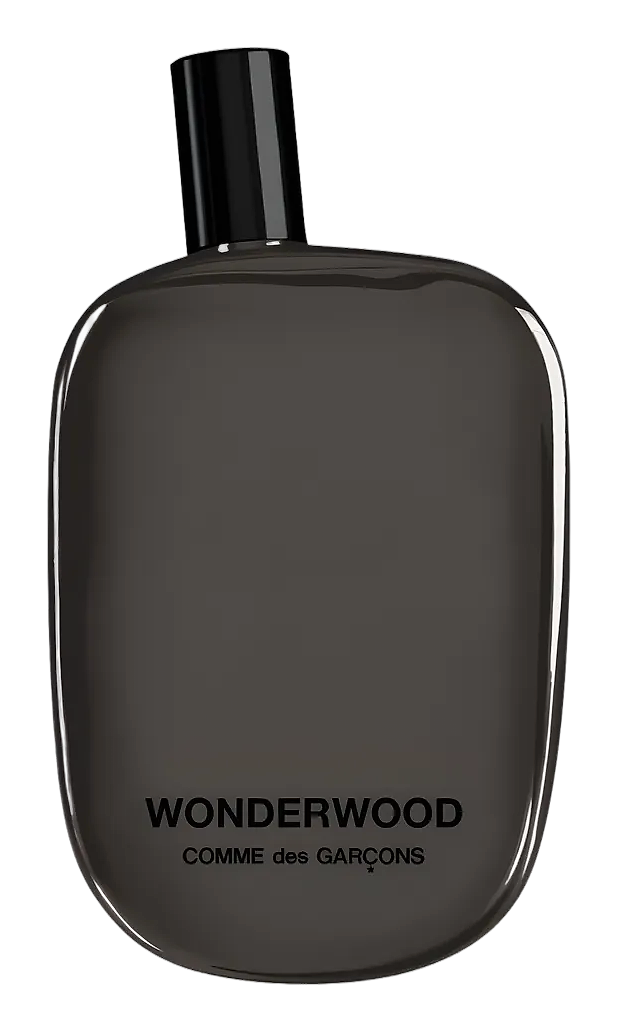
Ki/Wood sits in a small category of niche woody fragrances that prioritize intellectual clarity over mass appeal. It draws comparisons to compositions that lean green and bitter, sharing territory with CdG's green-aromatic experiments and the drier end of Comme des Garçons' incense series. The limited production run keeps it off most retail shelves, which means discovery tends to happen through independent boutiques or direct from the house. That scarcity reinforces the brand's positioning: scent as personal vocabulary, not accessory. Wearers tend to be fragrance-experienced, drawn to the poplar's pharmaceutical edge and the pine's refusal to behave like a typical fresh top note. It's not a gateway scent, and it isn't trying to be.
The House
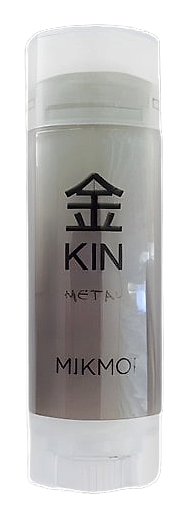
MIKMOIMIKMOI is a niche fragrance house founded by perfumer Mik in San Francisco, California. The brand emerged in the early 2010s with a distinctive approach to scent creation, offering small-batch perfumes with minimalist naming conventions. MIKMOI fragrances explore singular olfactory concepts, from woody to metallic, aquatic to abstract, with names drawn from single words and syllables that suggest both Eastern and Western influences. The house gained attention for its independent spirit and willingness to experiment with unconventional materials and combinations, including absinthe and carnation in early compositions. Operating outside the traditional perfume industry structures, MIKMOI represents a new generation of American perfumers building their own creative vocabulary from the ground up.
The Creator
Michael CoyleCoyle gravitates toward materials with strong emotional resonance. Fragrance enthusiasts who have encountered his work note his use of lactonic notes, describing one creation as smelling like cereal milk with vanilla and fruity undertones.