
The Story
Why it exists.
The beginning
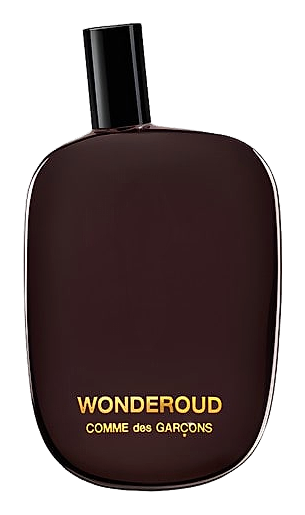
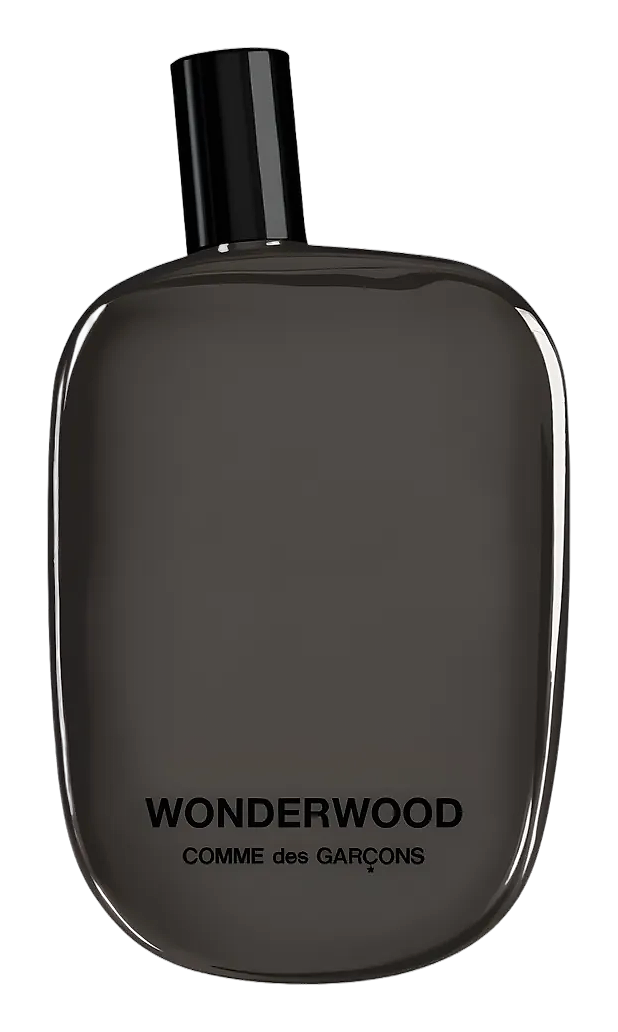
Wonderwood arrived in 2010 from Comme des Garçons, a house built on a philosophy of provocation. The brief was simple and confrontational: what happens when wood goes too far? Antoine Lie answered with an overdose. Layered woody notes, with intent. Madagascan pepper opens the conversation, not to warm but to prick. Somalian incense follows, smoke and resin carrying weight. Bergamot keeps the air moving. The naming says it all: Wonderwood. Not wood as backdrop, but wood as the whole point. Something made with materials, not manifesto. The fragrance pushes cedar into the foreground, treating it as the main event rather than a supporting element. There's an almost industrial quality to how the notes stack up, each woody element asserting itself rather than blending into a smooth whole.
The design choice that makes Wonderwood interesting is what sits at its center: Javanol, a synthetic sandalwood molecule. In a fragrance that wears 'wood gone mad' as its concept, the anchor is a lab-created material. Javanol provides the drydown density naturals can't sustain. Cashmeran keeps the heart soft and powdery where cedar could turn harsh. The structure relies on what synthetic woody materials can do. The combination of Javanol and Cashmeran creates an interesting tension in the drydown phase, where the woody character becomes more pronounced but doesn't become harsh.
The evolution
The opening arrives fast and intentional, Madagascan pepper prickling at the back of the throat. Not a warning. A declaration. Bergamot keeps the air moving above it. Then Somalian incense steps in around the ten-minute mark, smoke curling against the skin, and the composition shifts from alert to meditative. That phase holds for two to three hours, the heart's primary real estate. Cedar and guaiac wood build slowly, cashmeran keeping them from turning harsh, and the drydown starts its slow hand-off from spice to wood. By hour four, Javanol takes over. The drydown turns distinctly woody, almost pencil-shaving in its clarity. Sandalwood amplifies the warmth, vetiver adds its earthy-smoky depth, and oud sits quietly beneath everything. Six to eight hours of persistence. At the end, what lingers is cedar and something faintly animalic, not animalic in the literal sense, but the deep warmth that skin carries after hours of wearing something wood-driven. The fragrance started confrontational and ended monastic.
Cultural impact
Wonderwood occupies a specific place in Comme des Garçons' fragrance lineup. Wearers return to it compulsively, drawn by a cedar-oud pairing that smells expensive. The woody notes combine in a way that's different from most mainstream masculine fragrances. Antoine Lie designed something that earns its name. The composition takes familiar materials and pushes them into unfamiliar territory. Cedar becomes more than a dry wood note, oud moves beyond the typical dark and animalic associations, and the combination creates something that rewards close attention.