Javanol
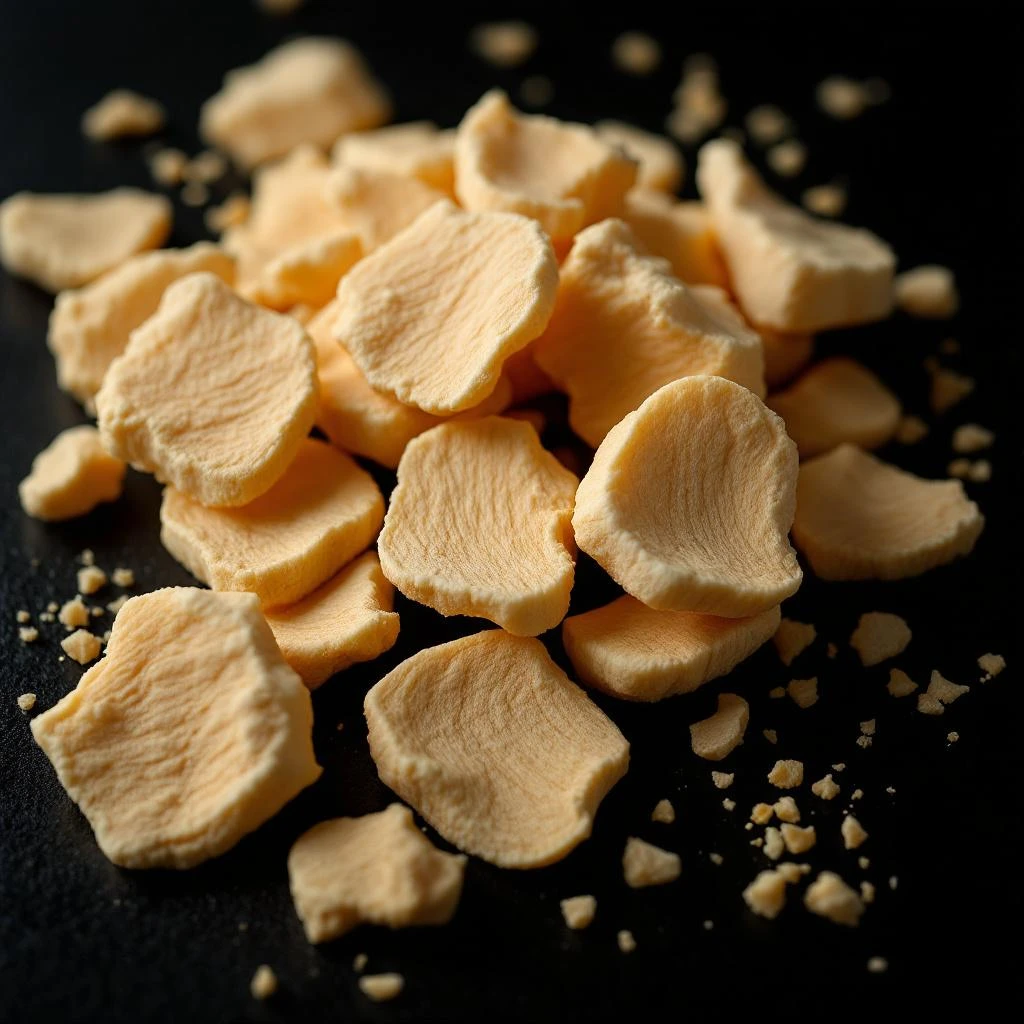
A Givaudan-created synthetic sandalwood molecule that revolutionized perfumery in 1996. Javanol delivers the creamy warmth of natural sandalwood with eight times the olfactory power, creating depth in everything from fine fragrances to functional products.
Character
How it smells
The most powerful sandalwood molecule in modern perfumery.
Smelling Javanol in pure form can temporarily desensitize your smell receptors within seconds, rendering perfumers unable to detect it for several hours.





Origin
Switzerland
By the 1990s, overharvesting had pushed Indian sandalwood to the brink of extinction, making natural sandalwood oil prohibitively expensive. Givaudan responded in 1996 with Javanol, a laboratory-designed molecule that captured the creamy, woody character perfumers craved. Unlike earlier synthetic sandalwoods, Javanol combined unprecedented olfactory power with remarkable stability.
It quickly became the backbone of modern sandalwood fragrances, appearing in Truth for Men by Calvin Klein and Chic for Men by Carolina Herrera. Today, Javanol enables perfumers to achieve sandalwood richness without environmental compromise, proving that sustainability and sensory excellence can coexist.
Wears it best
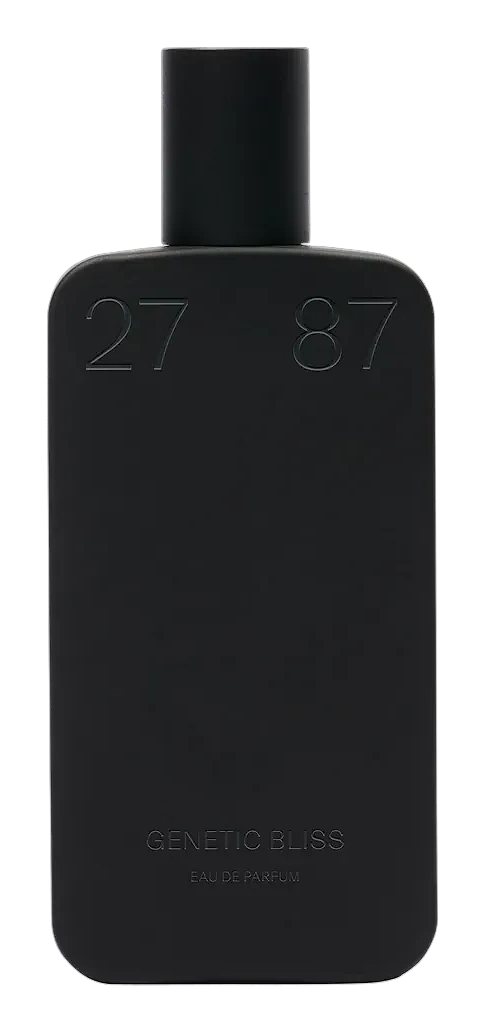
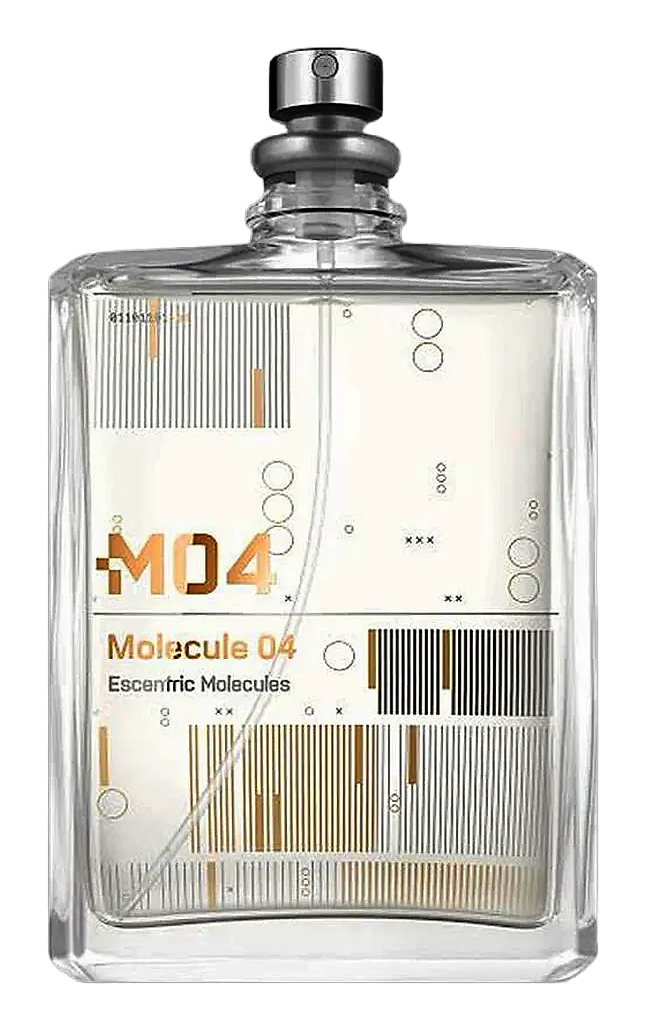
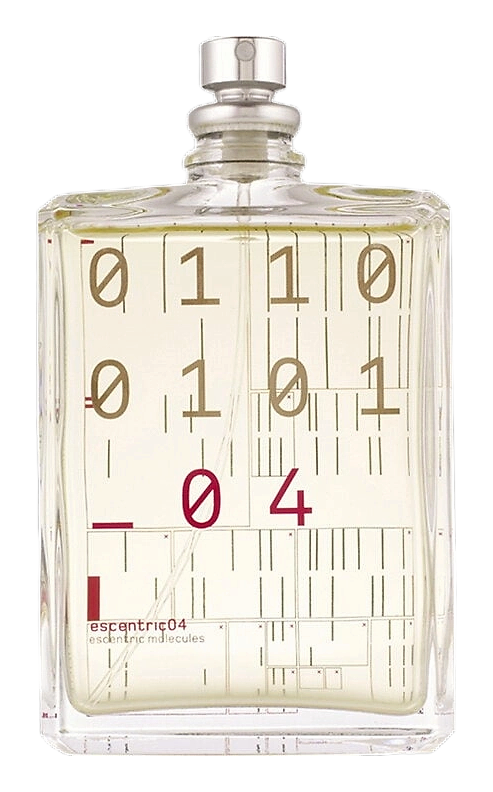
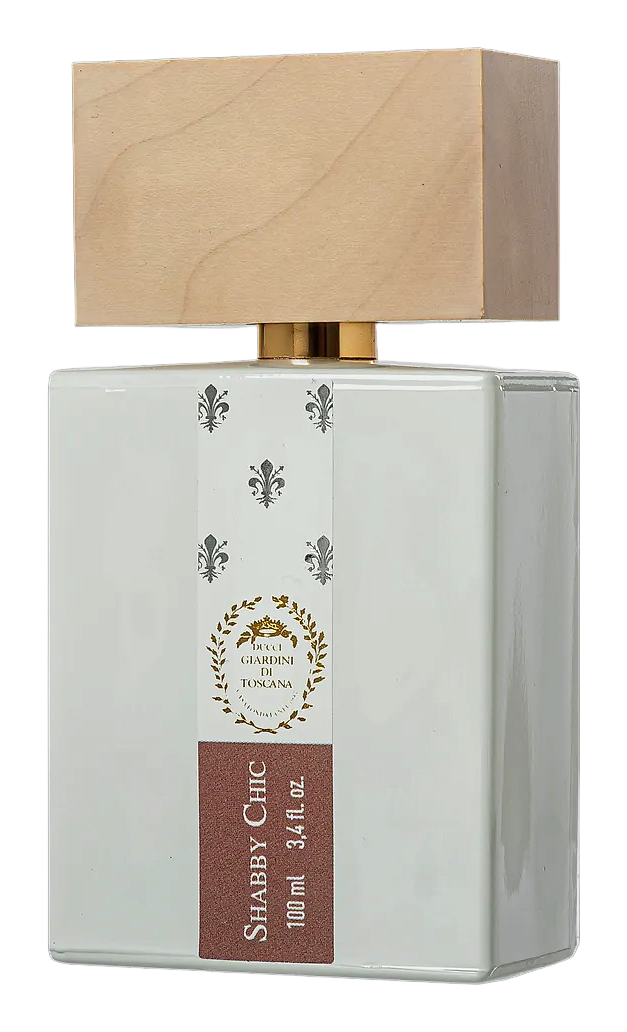
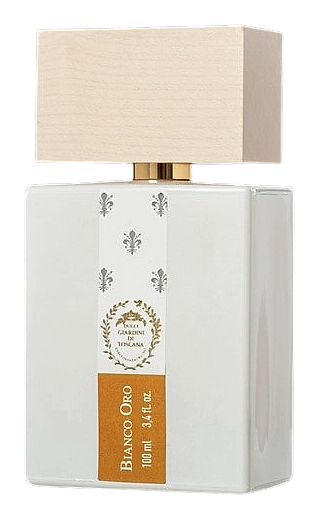
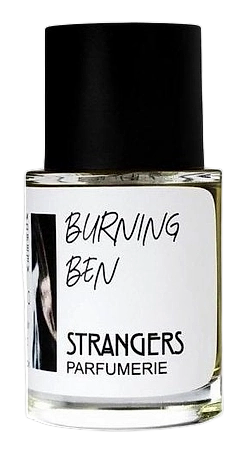
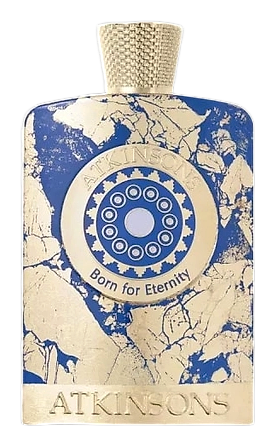
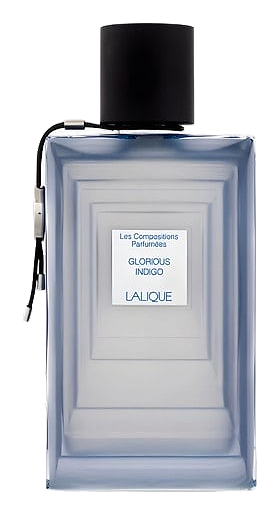
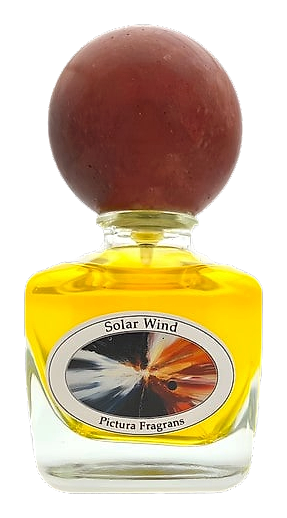
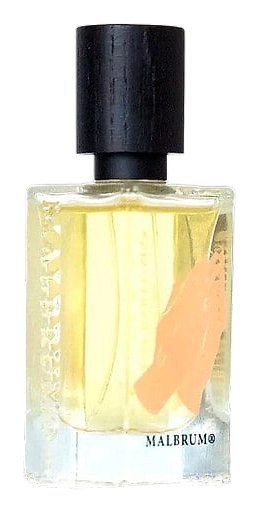
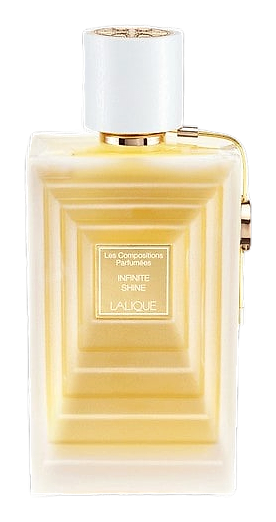
Fragrances featuring Javanol
Brands
Brands known for Javanol
Good to know
Questions, answered
The essentials on Javanol in perfumery: how it smells, where it comes from, and how it behaves on skin.
What does Javanol smell like?
Javanol smells like creamy, natural sandalwood with subtle rosy nuances. It also displays musky, slightly spicy undertones and works at trace amounts below 0.1% to add richness and depth to fragrance compositions.
When was Javanol developed?
Givaudan developed Javanol in 1996. The fragrance industry needed a sustainable alternative to natural sandalwood, which had become endangered and economically unviable due to overharvesting in the preceding decades.
Is Javanol natural or synthetic?
Javanol is entirely synthetic. It is produced through chemical synthesis from alpha-pinene, a natural compound found in pine trees. The molecule was designed in the laboratory to replicate sandalwood's olfactory profile without harvesting endangered trees.
How potent is Javanol compared to natural sandalwood?
Javanol is approximately 8 times more effective than the most powerful natural sandalwood compounds, based on wash test comparisons. Perfumers report detecting its presence on blotter test strips for over one month.
What is the maximum usage level for Javanol in perfumes?
The recommended maximum usage of Javanol in fragrance concentrate is 2%. However, perfumers typically use much lower concentrations, with 0.02% sufficient to boost and extend the sandalwood character of a fragrance composition.
Which perfumes contain Javanol?
Javanol appears in numerous fine fragrances including Truth for Men by Calvin Klein and Chic for Men by Carolina Herrera. It has become a foundational ingredient for modern sandalwood compositions across both designer and niche fragrance houses.
How stable is Javanol in different product applications?
Javanol demonstrates excellent stability across nearly all applications, scoring top marks in fabric conditioners, shampoos, soaps, and both liquid and powder detergents. Its only limitation is liquid bleach, where stability is poor due to the oxidative environment.
What makes Javanol's molecular structure unique?
Javanol contains two cyclopropane rings and completely lacks double bonds in its structure. This distinctive molecular architecture (1-methyl-2-[(1,2,2-trimethylbicyclo[3.1.0]hex-3-yl)methyl]cyclopropyl]methanol) provides exceptional stability and contributes to its longevity in formulations.
In the same family