Poplar
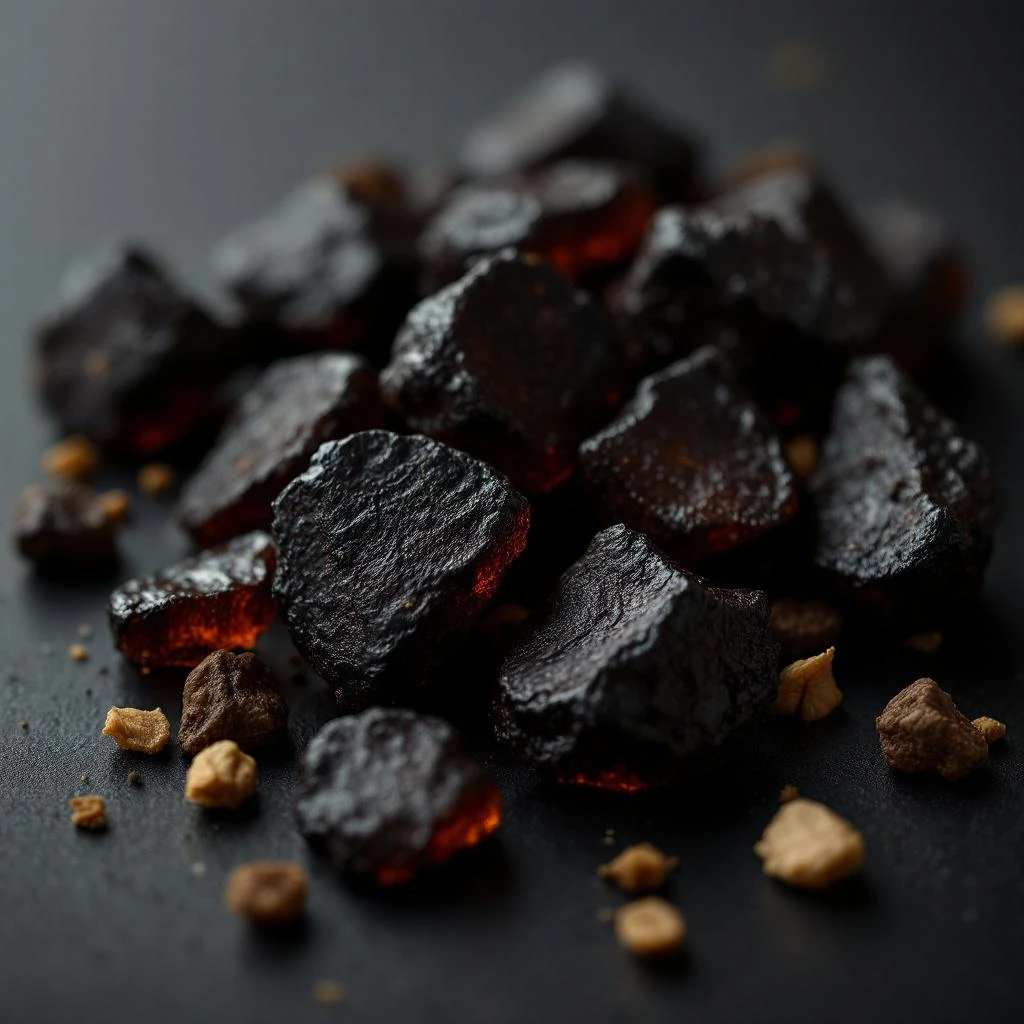
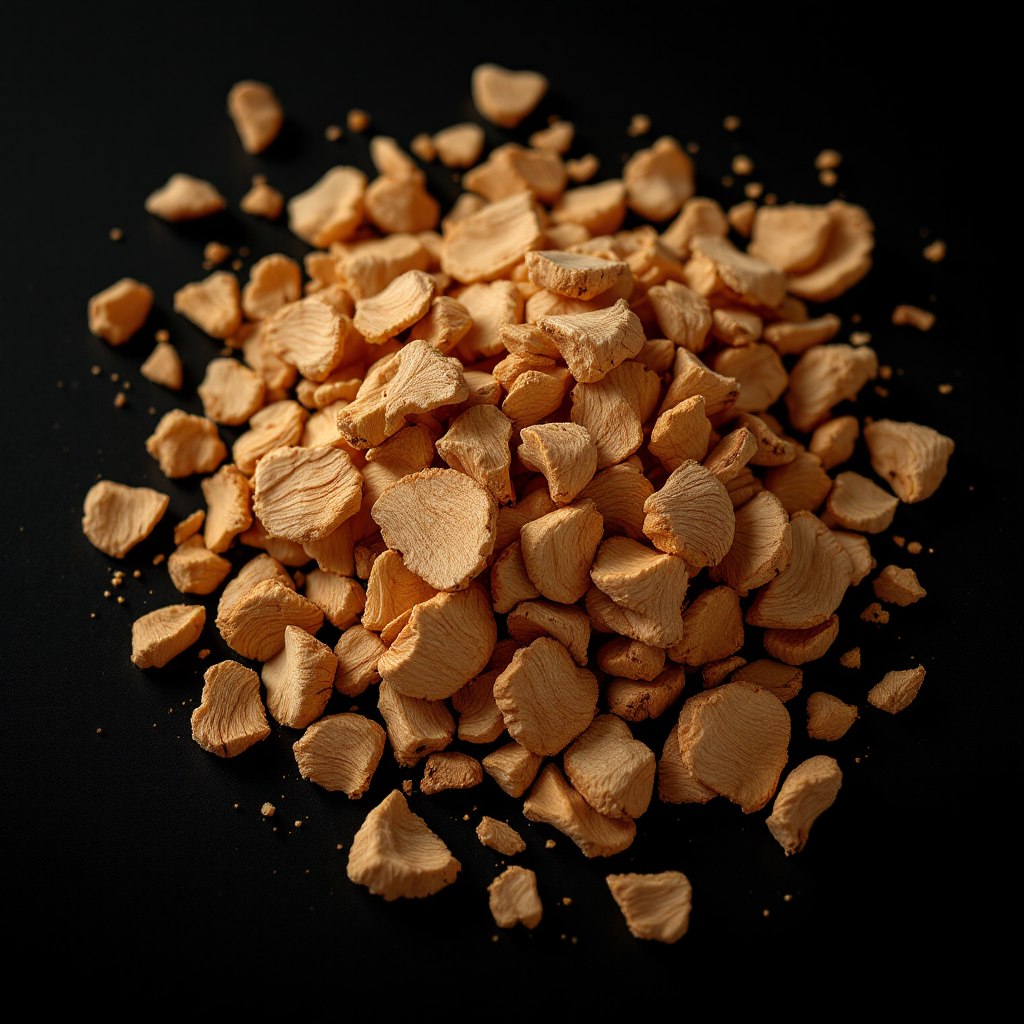
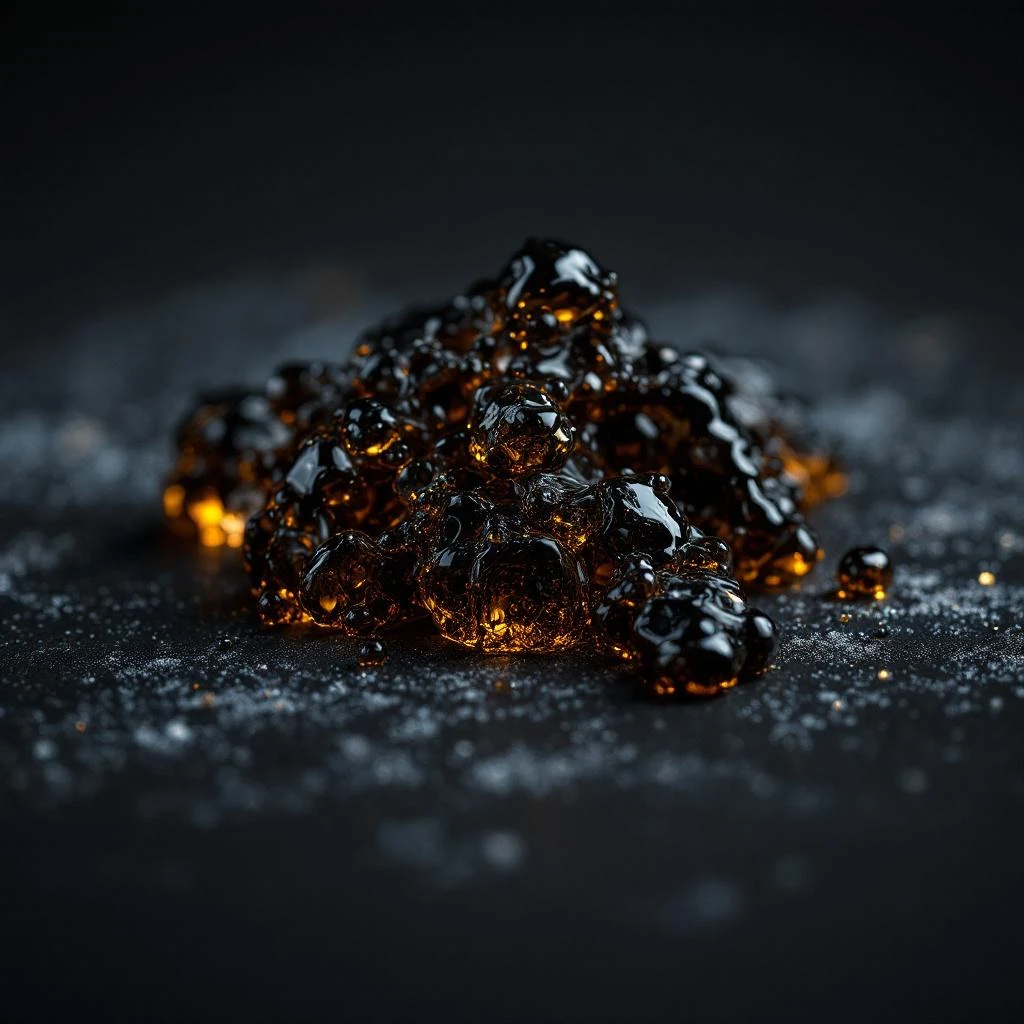
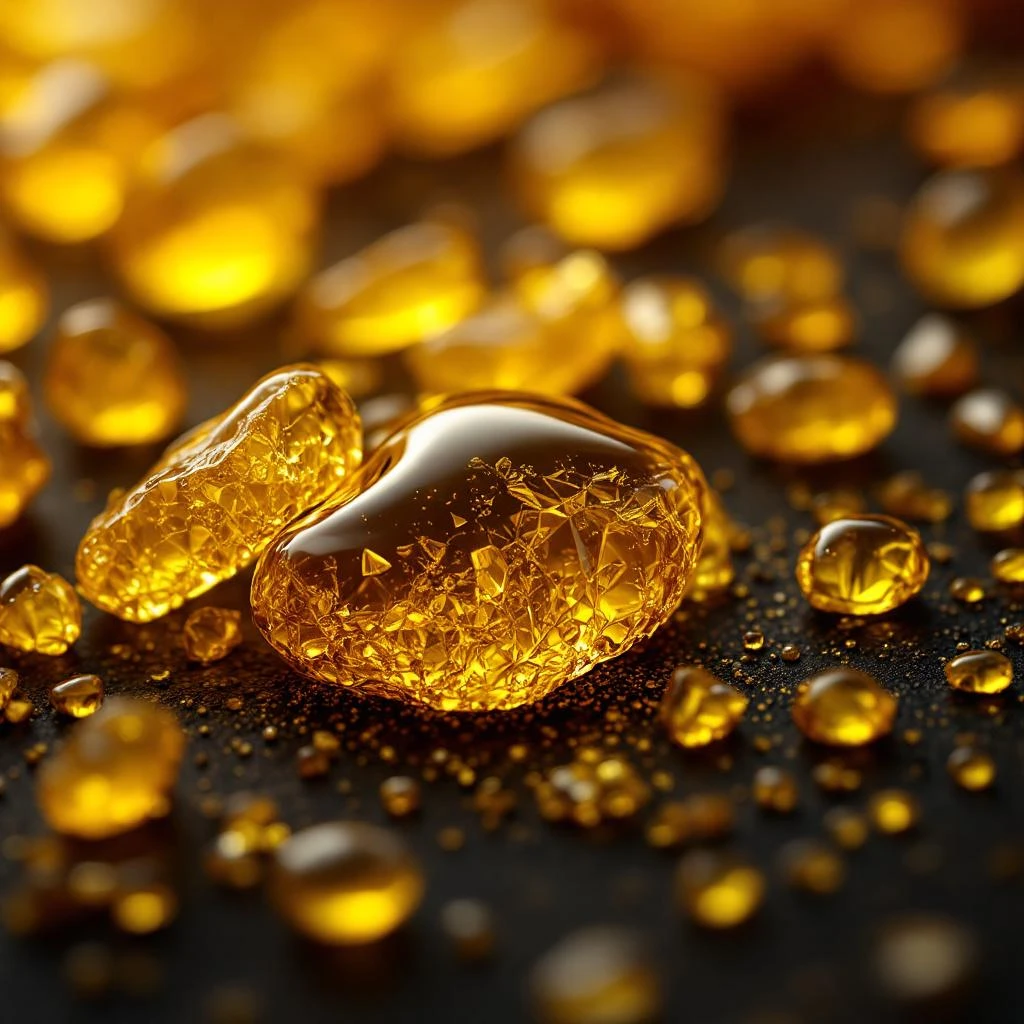
Poplar buds release one of perfumery's most paradoxical scents—fresh yet resinous, green yet warmly balsamic. This rare spring harvest yields a distinctive aromatic profile that bridges cool forest air and golden honeyed warmth.
Character
How it smells
The green soul of early spring captured in aromatic resin.
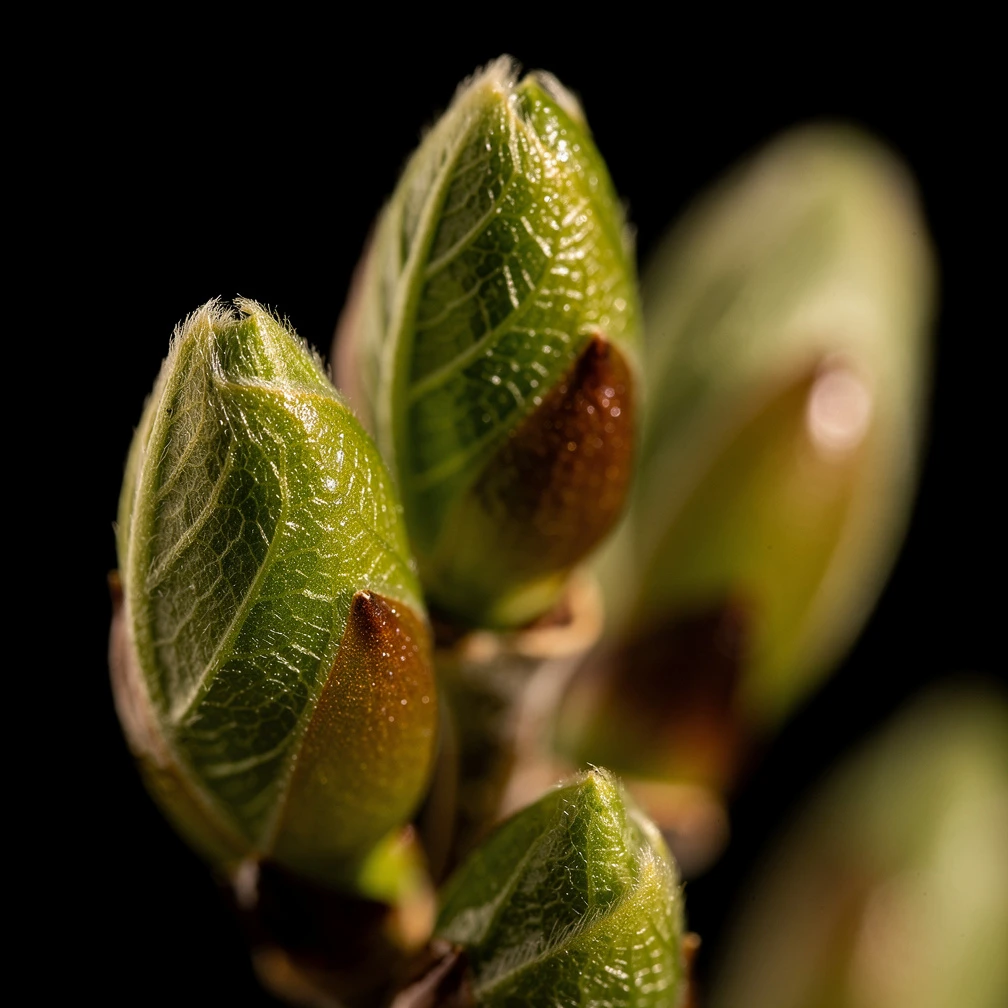
Poplar buds are only harvestable for a few weeks each spring before they open, making this one of perfumery's most seasonally limited ingredients.






Origin
France
The poplar holds deep significance across multiple ancient cultures, and its aromatic buds were among the earliest plant materials incorporated into perfumed preparations. The ancient Greeks documented poplar in their medicinal traditions—Hippocrates mentioned the balsamic properties of poplar resin in treating wounds and inflammation. Roman physicians similarly valued these preparations for their therapeutic applications.
In Greek mythology, poplars were associated with Heracles and the Underworld, where the trees bordered the river Styx. This sacred status extended to practical applications, as ancient cultures burned poplar resin as incense during ceremonies and incorporated the buds into fragrant oils applied after bathing.
The Renaissance marked a turning point for poplar in perfumery specifically. As fragrance houses emerged in France and Italy, perfumers began experimenting with the unique bridging quality of poplar bud absolute—it could connect green, fresh notes with warm, balsamic elements in ways few other natural materials could achieve. Court perfumers used it sparingly but strategically in formulations for nobility who valued novel aromatic experiences.
The 19th century brought both progress and challenge. Development of solvent extraction techniques improved yield and consistency, yet simultaneously, the rise of synthetic aromatics gradually displaced rare naturals like poplar from mainstream perfumery. By the mid-20th century, poplar had become an endangered ingredient—found only in the formulations of houses committed to natural materials.
Contemporary independent perfumers have revived interest in poplar bud absolute, seeking authentic connection to historical perfumery traditions. French and Italian producers maintain the delicate seasonal harvest that makes this ingredient so scarce. Today, poplar appears in perhaps one percent of fragrances, but for perfumers pursuing that distinctive spring-forest character, it remains irreplaceable—a living link to practices unchanged for millennia.
Wears it best
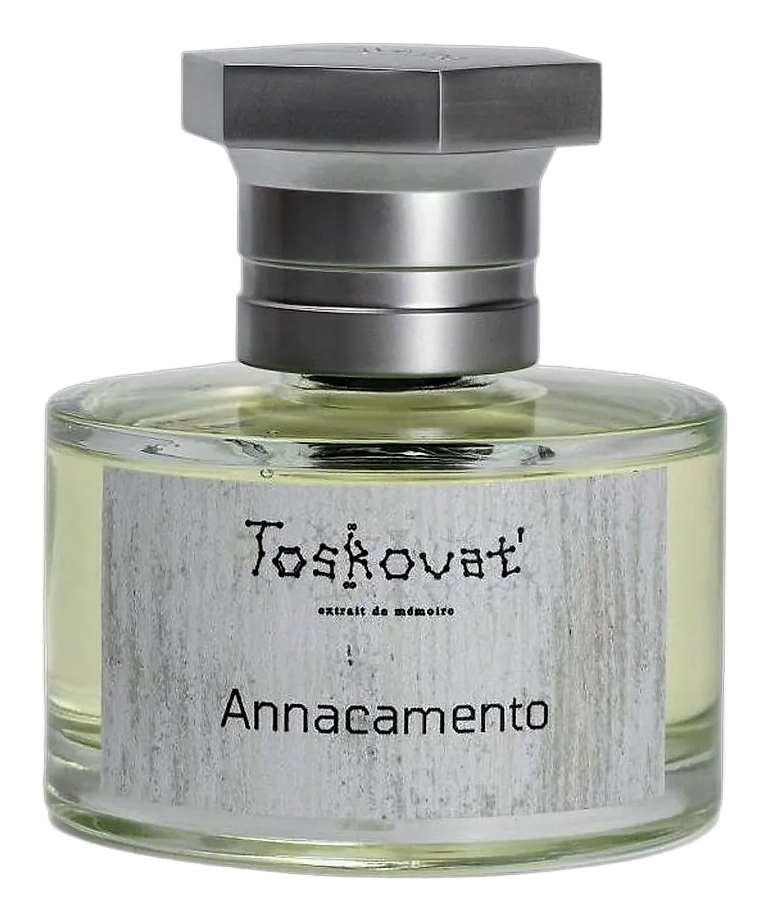
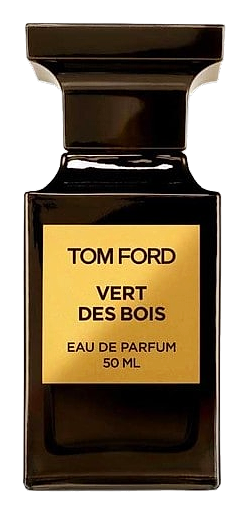
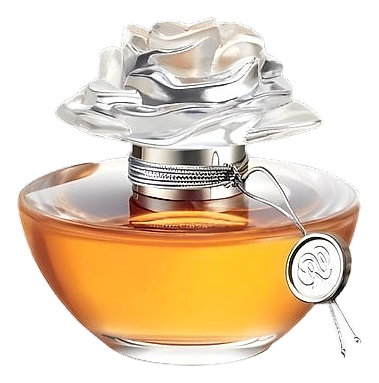
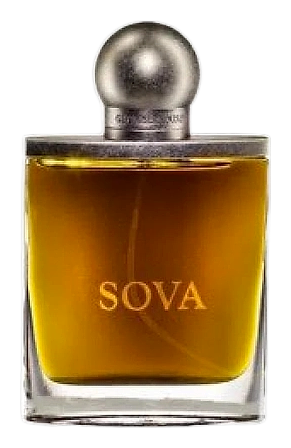
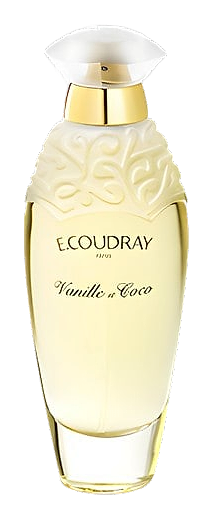
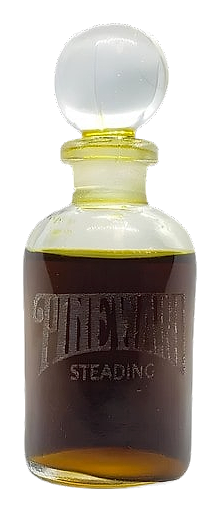
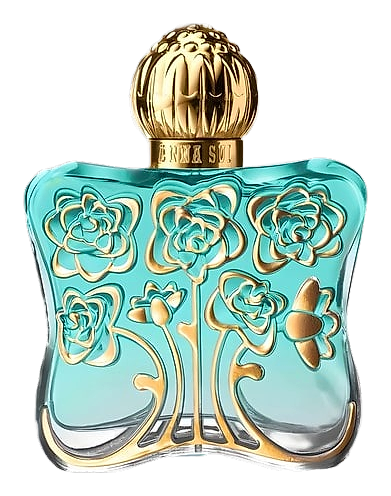
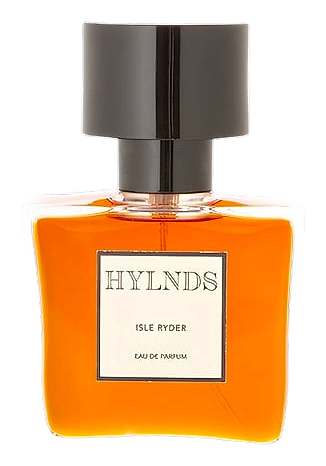
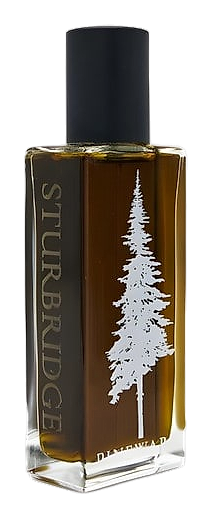
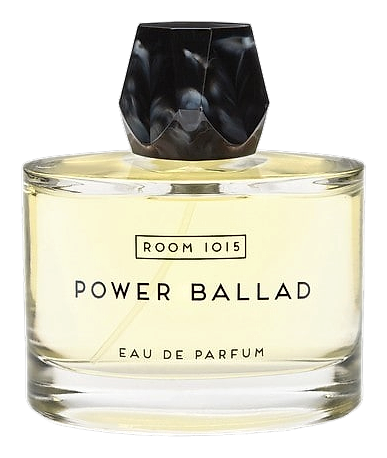
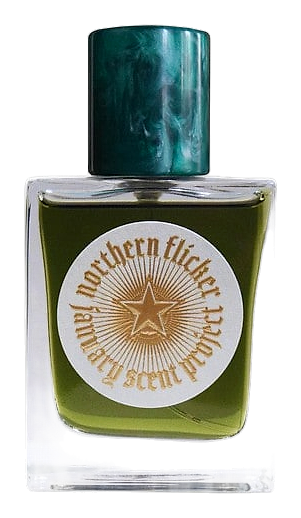
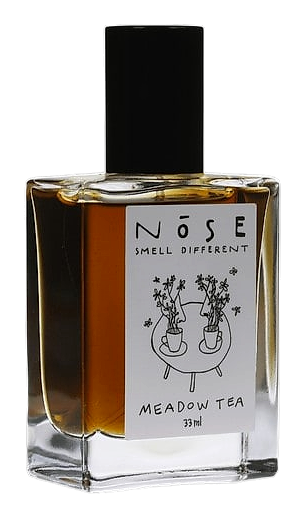
Fragrances featuring Poplar
Brands
Brands known for Poplar
Good to know
Questions, answered
The essentials on Poplar in perfumery: how it smells, where it comes from, and how it behaves on skin.
What does poplar bud absolute smell like?
Poplar opens with cool, camphoraceous freshness and menthol-like sharpness, then reveals warm balsamic, honeyed sweetness. It captures the scent of standing in a poplar grove in early spring.
How is poplar bud absolute produced?
Harvesters collect fresh poplar buds by hand during a narrow 2-3 week window in spring before the catkins open. Extraction uses food-grade solvents to produce a golden-orange absolute.
What compounds give poplar its distinctive scent?
The absolute contains bisabolol, contributing anti-inflammatory and floral qualities, along with various terpenes creating the characteristic cool-balsamic aromatic profile.
Which fragrance families use poplar bud absolute?
Poplar appears primarily in menswear, chypre, and aromatic fragrances, where it bridges green and balsamic scent families. It works particularly well in spring and autumn formulations.
Why is poplar considered a rare perfumery ingredient?
The harvest window spans only 2-3 weeks annually in April, and buds must be processed immediately. Modern fragrance houses rarely use it, appearing in roughly one percent of contemporary perfumes.
What complementary ingredients work with poplar bud absolute?
Hedione adds brightness, coumarin brings warm sweetness, and woody materials like benzoin and styrax create coherence. Labdanum, blackcurrant, and citrus elements also pair well.
How long has poplar been used in perfumery?
Greek and Roman physicians documented poplar resin in medicinal preparations over two millennia ago. Renaissance perfumers began using it systematically for its unique bridging qualities.
Which perfumery regions produce the finest poplar absolute?
French producers in Provence and the Rhône Valley maintain traditional harvesting methods. Italian producers also cultivate poplar for perfumery use, with generations of specialized knowledge.