The Story
Why it exists.
The beginning
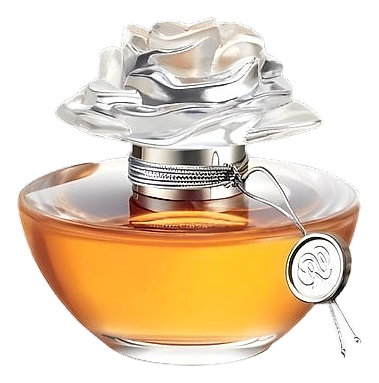
Reese Witherspoon's first fragrance arrived in 2009 through her partnership with Avon. The collaboration made sense: Witherspoon's public persona, polished, capable, grounded, aligned with Avon's philosophy of fragrance as everyday self-expression. Rather than leaning into celebrity excess, the scent captured something quieter: a California morning, the feeling of getting ready without a specific place to be. The name says it all. In Bloom isn't about arriving. It's about being there already.
The composition turns a familiar accord, white florals, into something with real texture. Peach tea isn't a standard top note. It sits between fruit and warmth, giving the opening a perfumed quality that prevents it from reading sharp or green. The green notes then do what green notes do best: they ground the sweetness before the florals take over. Gardenia is inherently creamy, almost tropical. Magnolia adds a delicate citrus-floral lift. Together with jasmine and mimosa, they form a heart that smells lush without being overwhelming. The base is where cashmere wood earns its place, it mimics the soft, skin-warm smell of fabric without any actual animalic depth.
The evolution
The opening hits immediately: peach tea with a dewy, almost green quality. Think fresh-cut stems and morning humidity. Within twenty minutes, the green notes recede and the gardenia blooms fully, taking magnolia and jasmine along with it. This is the fragrance's longest phase, several hours of soft, enveloping florals that sit close to the skin. The drydown arrives gradually. Cashmere wood wraps the remaining florals in something warm and intimate, like skin-worn fabric. Poplar buds add a faint balsamic edge that keeps the base from going fully powdery. On most skin types, expect six to eight hours of wear, with the final hour being a ghost of amber and white floral that barely announces itself.
Cultural impact
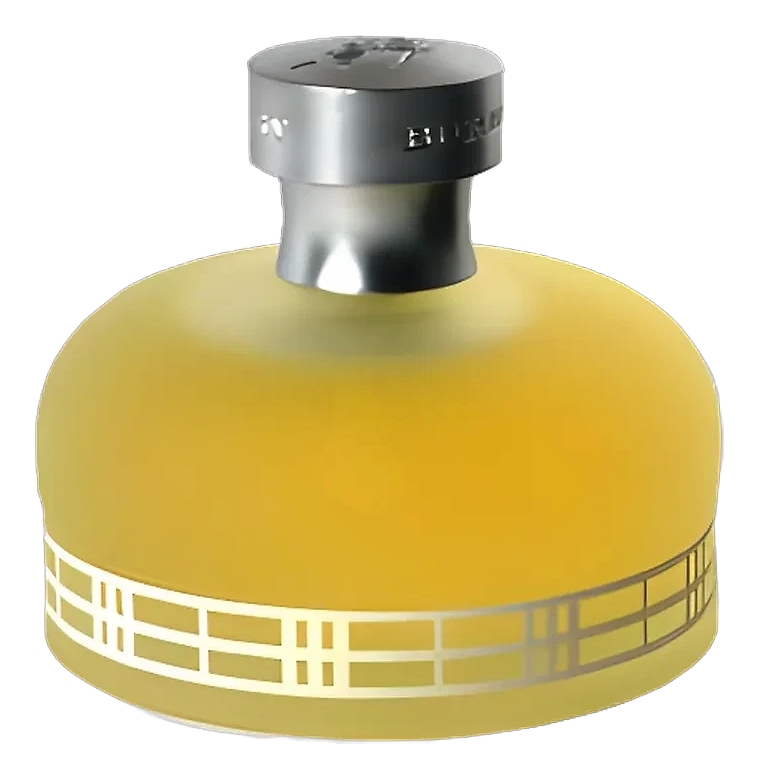
In Bloom arrived in 2009 as Reese Witherspoon's debut fragrance, riding the wave of celebrity scents that dominated that era. What set it apart was its restraint, the composition chose soft white florals over the sweeter, fruitier directions many of its peers took. Wearers described it as the fragrance someone wears when they don't need to prove anything. Comparisons to Burberry Weekend surfaced early, suggesting it had found a similar audience: women who wanted something polished and pleasant without being conspicuous.