The Story
Why it exists.
The beginning
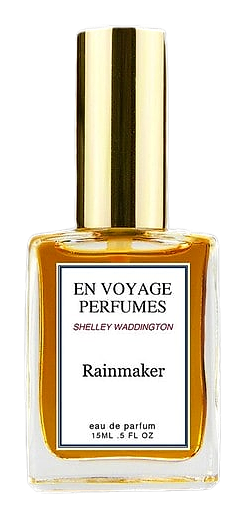
Rainmaker arrived in 2016 from Shelley Waddington, the perfumer behind En Voyage Perfumes. The name refers to the figure who summons rain, and also to the act of watching a sky change. There is something in this fragrance about atmospheric tension, the way a forest goes quiet before rain arrives, when the air turns and you can almost smell what is coming. The scent captures that moment of anticipation, the stillness before water hits leaves and earth.
What makes Rainmaker structurally unusual is how it refuses the usual conifer-fragrance logic. Instead of opening with the warmth of resin, it leads with the cold dampness of silver pine, the sharp, almost mentholated top that smells like standing among trees in fog. The petrichor note, present in the base according to enthusiasts, is the structural payoff: rain actually falling on dry earth, not the fantasy of a forest. It's the difference between a forest candle and a forest in rain.
The evolution
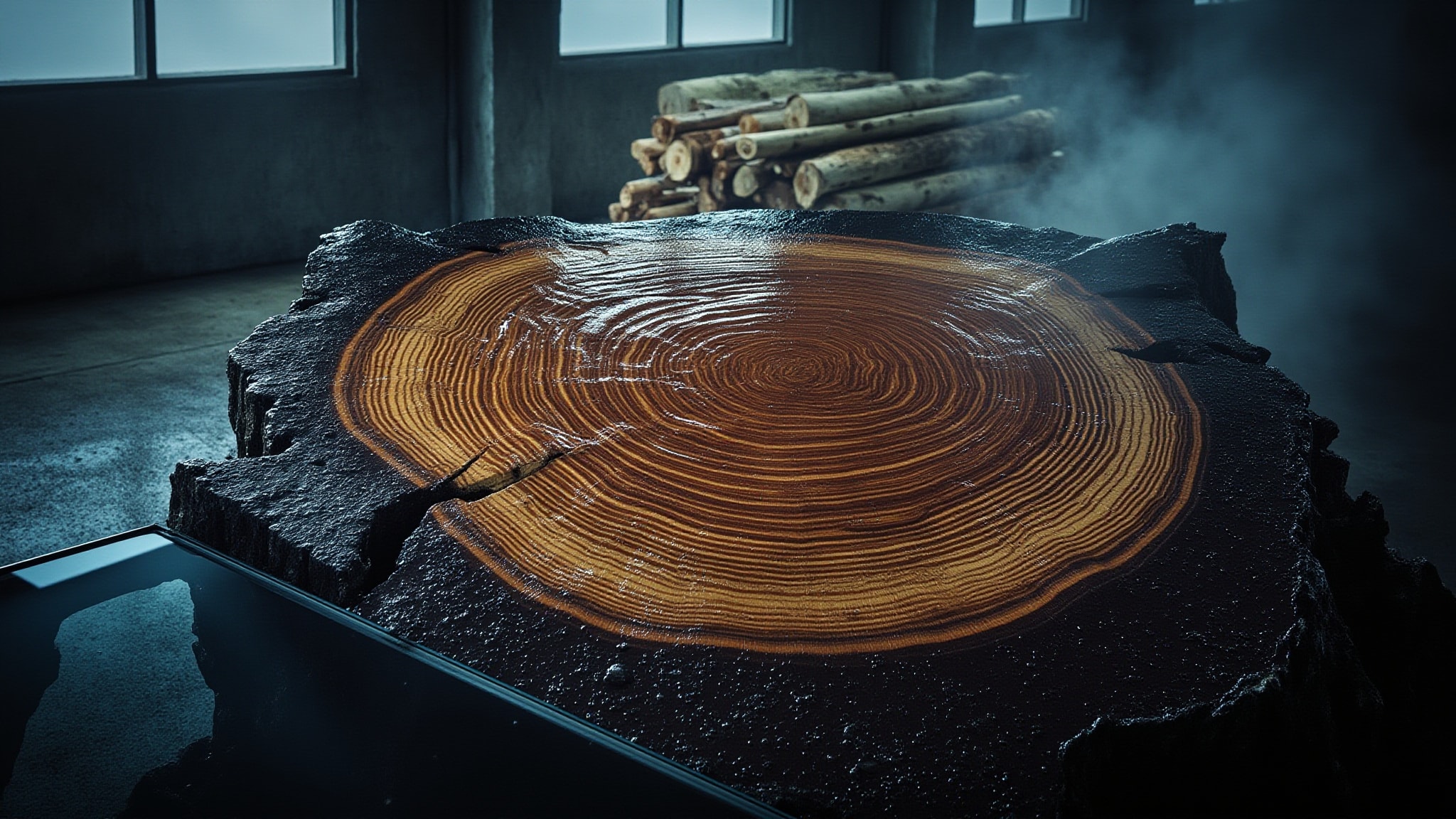
The opening is cold green, silver pine that reads almost medicinal before it softens. Then the incense arrives, threaded through the patchouli heart, and the whole thing tilts earthward. By the second hour, the oakmoss is dominant, that specific musty-warmth of a forest floor after persistent rain. The amber and cedar appear late, adding dryness without sweetness. The sequoia note lingers closest to skin, and on fabric there is a faint damp-wood trace that remains, something like a jacket left out in wet weather.
Cultural impact
Rainmaker sits in the atmospheric chypre category, a fragrance for those interested in green and woody scents that go beyond the ordinary. The oakmoss and petrichor combination places it in conversation with heritage chypres, while the silver pine opening and sequoia drydown keep it distinctly in the American artisan camp. It represents a particular approach to naturalistic perfumery that has found its audience among serious fragrance enthusiasts.