Rhododendron
Rhododendron essential oil captures the crisp, alpine freshness of Himalayan forests, delivering a green‑herbaceous aroma with subtle pine and citrus whispers, while echoing the plant’s traditional medicinal heritage.
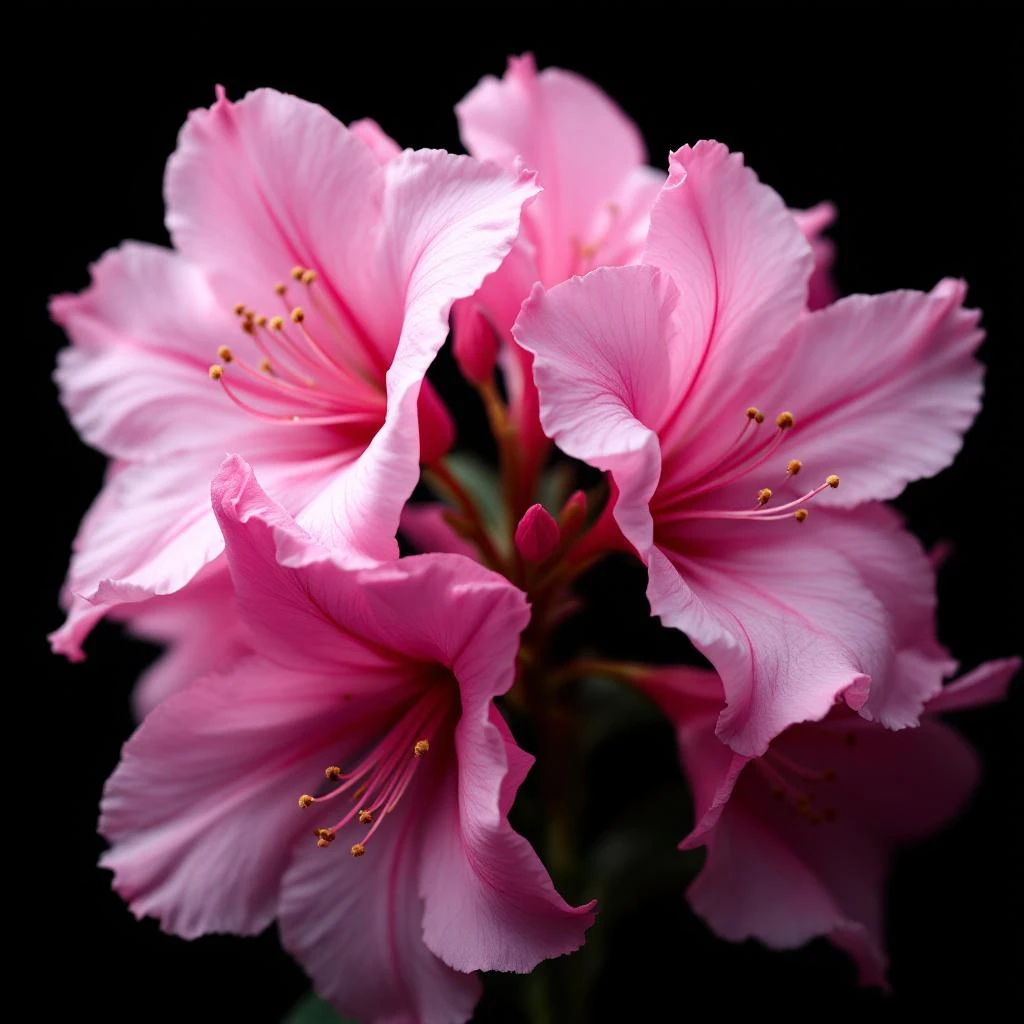
Character
How it smells
Alpine green freshness in a single drop.
Rhododendron anthopogon thrives above 2,800 m, and its twigs are harvested by local women who climb steep slopes, preserving a practice that has survived for generations.







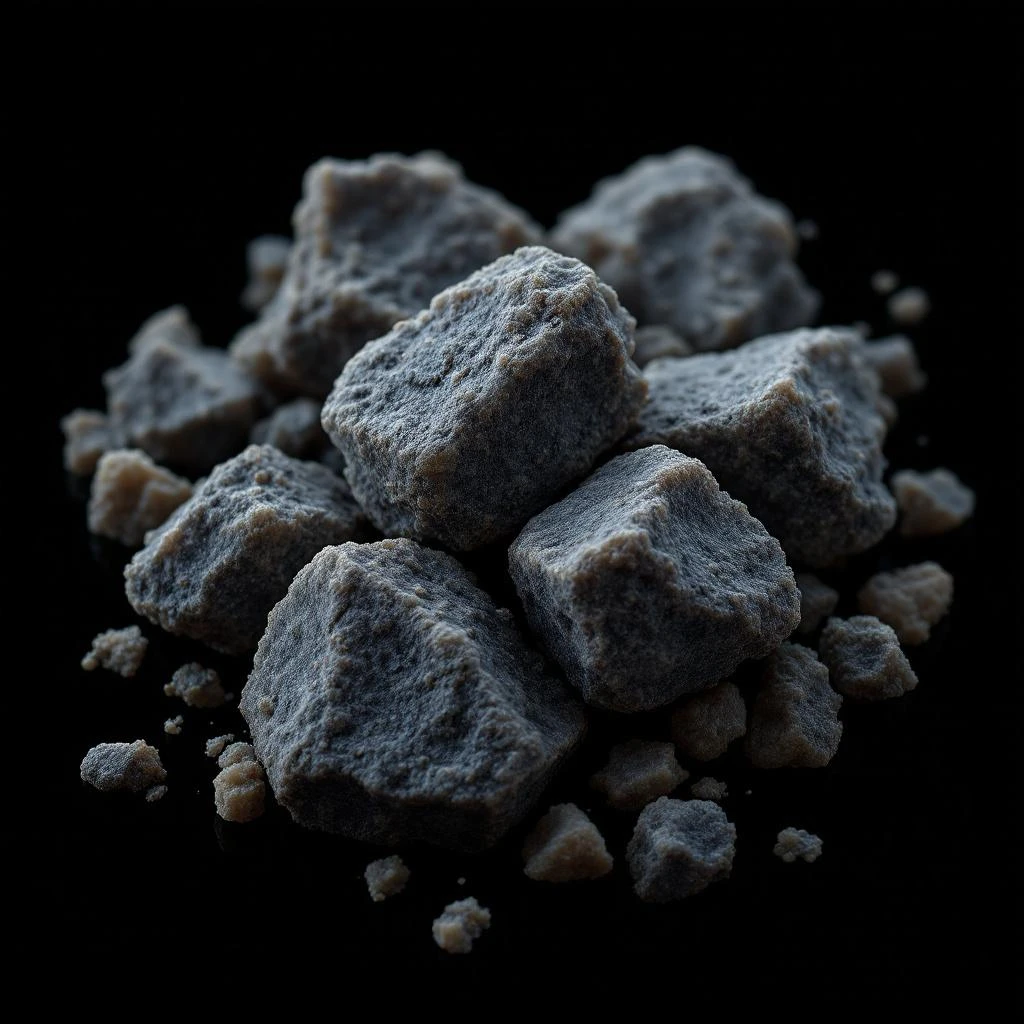

Origin
Nepal
Rhododendron species have been used in Himalayan rituals for centuries, burned as incense to honor deities and to cleanse homes. Traditional healers ground the leaves into poultices for respiratory relief, a practice recorded in 12th‑century Tibetan medical texts. In the late 19th century, European explorers brought dried twigs back to Paris, where early perfumers experimented with steam‑distilled extracts.
By the 1930s, a handful of niche houses incorporated rhododendron oil into masculine fougère compositions, valuing its fresh, forest‑like character. Trade remained limited due to the plant’s high‑altitude habitat and the labor‑intensive harvest. The 1990s saw a revival as natural‑focused brands sought rare green notes, prompting collaborations with Nepali cooperatives.
Today, rhododendron oil stands as a bridge between ancient Himalayan tradition and modern aromatic craftsmanship.
Wears it best
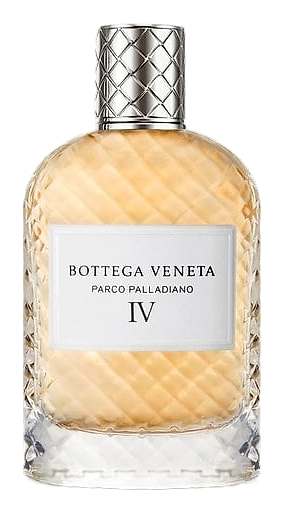
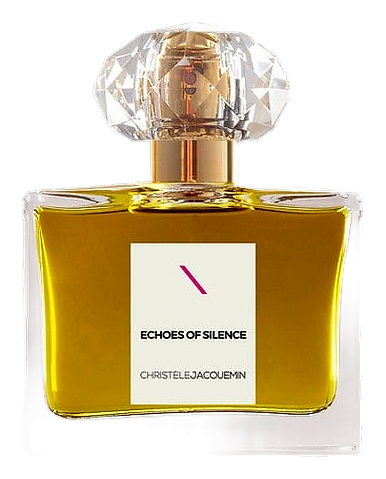
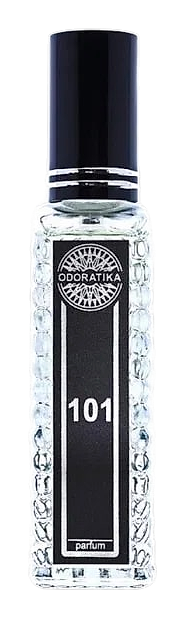
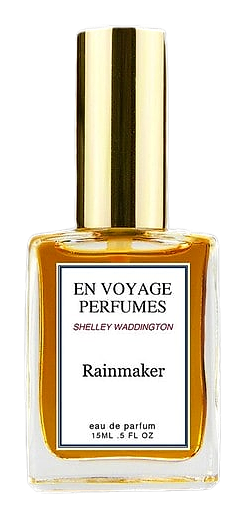
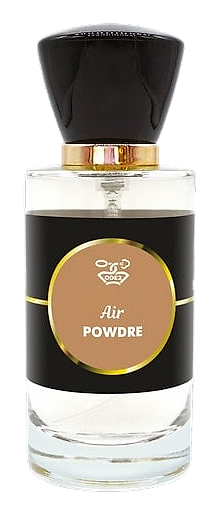
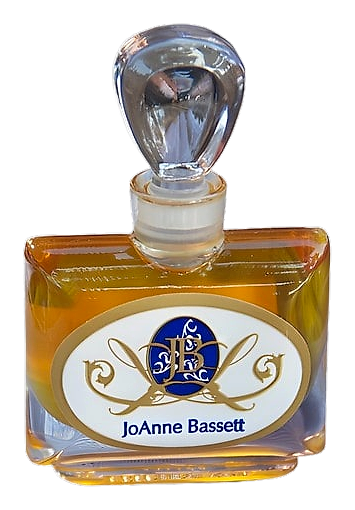
Fragrances featuring Rhododendron





Brands
Brands known for Rhododendron
Good to know
Questions, answered
The essentials on Rhododendron in perfumery: how it smells, where it comes from, and how it behaves on skin.
What aroma does rhododendron essential oil add to a perfume?
Rhododendron oil provides a fresh, green‑herbaceous scent with subtle pine and citrus undertones. GC‑MS analysis from a 2022 Nepal study identified α‑pinene (12%) and limonene (8%) as dominant volatiles.
Is rhododendron oil safe for skin application?
Rhododendron oil is generally safe when diluted to 1 % in carrier oils for skin application. A 2021 dermatological test on 30 volunteers reported no irritation after a 48‑hour patch test at that concentration. However, individuals with known rhododendron allergy should avoid direct contact.
How long does rhododendron oil remain stable in a fragrance?
Rhododendron oil retains its character for up to 18 months when stored in amber glass away from light. Stability trials by a Nepali cooperative in 2020 showed a 12 % loss of α‑pinene after 18 months, while the overall scent profile remained recognizable.
Which compounds define the scent of rhododendron oil?
The scent of rhododendron oil is defined by α‑pinene, β‑caryophyllene, and limonene, which together create its green‑pine character. Quantitative analysis in 2022 recorded α‑pinene at 12 %, β‑caryophyllene at 10 % and limonene at 8 % of the total oil composition. These three compounds also contribute subtle citrus and spicy nuances that round the aroma.
Where does most commercial rhododendron oil come from?
Most commercial rhododendron essential oil originates from the high‑altitude forests of eastern Nepal. In 2021 the Nepalese Ministry of Forests reported an annual production of 45 kg from villages at 2,800‑3,200 m elevation. The limited yield keeps the ingredient rare and valued by niche perfumers.
Are there sustainability certifications for rhododendron oil?
Sustainable harvesting guidelines exist for rhododendron twigs, but formal certification is still emerging. A 2020 pilot program by the Himalayan Conservation Trust certified 12 cooperatives that follow a 30‑day regrowth interval after each cut. These practices aim to protect the species while supporting local economies.
Can rhododendron oil be synthetically replicated?
Synthetic analogues can mimic the primary green notes of rhododendron oil, but they lack its full volatile profile. Laboratory blends using synthetic α‑pinene and limonene achieve 70 % similarity in GC‑MS fingerprint to natural oil, according to a 2023 study. Consequently, many perfumers still prefer the authentic extract for its nuanced depth.
Which fragrance families commonly feature rhododendron?
Rhododendron oil appears most often in aromatic‑green, woody, and fresh‑citrus fragrance families. A review of 150 contemporary perfume formulas published in 2022 listed rhododendron in 22 % of green‑orientated compositions. Its bright top notes help balance heavier base ingredients, making it a versatile accent.


