The Story
Why it exists.
The beginning
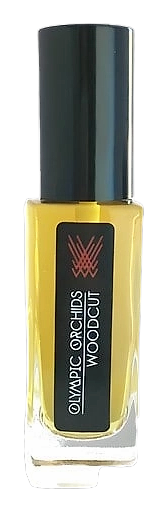
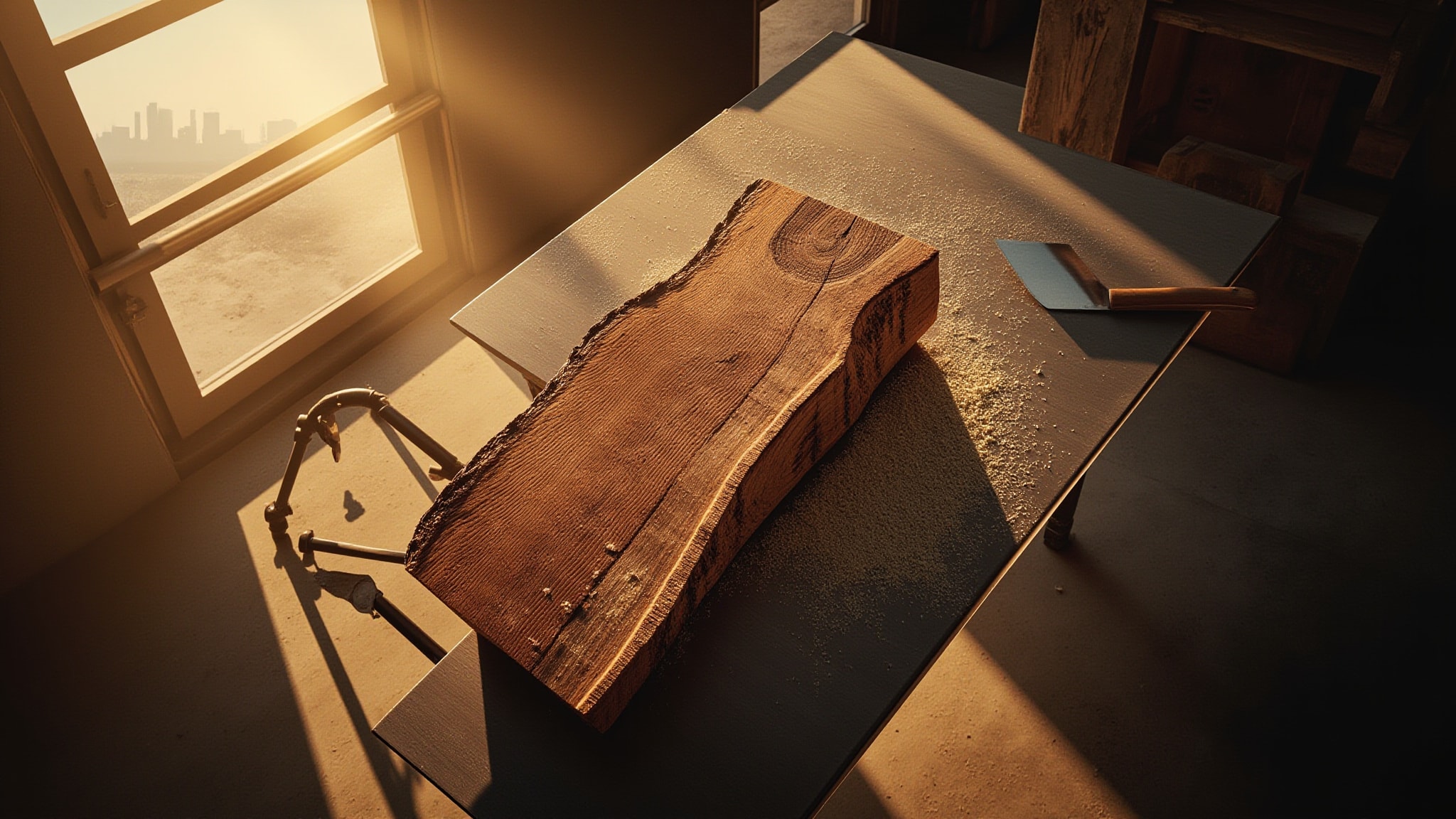
Ellen Covey found her next subject in the most ordinary place: a construction site near her farm in Washington's Olympic foothills. The smell of freshly-cut timber was intoxicating, volatile, raw, and primitive all at once. Sap and sawdust mingling in the summer air. The kind of scent that vanishes before you can photograph it. She didn't want to bottle it. She wanted to build it from the same materials that made it in the first place, oak, cedar, and pine from Pacific Northwest forests. Woodcut, released in 2014, became the result of that ambition: a fragrance that starts with the moment a blade meets wood and carries that moment forward into something wearable.
What makes the structure interesting is the triple-layer approach to wood itself. The opening pulls from the volatile aromatic compounds released the instant a tree is cut, sharp, fleeting, almost aggressive. The heart uses oak wood absolute as a denser, more permanent foundation, less volatile, more substantial. And the base layers caramel and vanilla as a warm counterweight, keeping the wood from becoming austere. This layered approach is what gives Woodcut its unusual arc: it begins with a rush, settles into something richer, and holds there for hours without softening into sweetness. The result is a fragrance that reads as both fresh and aged at the same time.
The evolution
The opening announces itself without apology. Pine and cedar sawdust hit first, an aromatic rush that reads as slightly medicinal before it settles. Oak wood absolute arrives within minutes and takes over the structural role, making the composition feel dense and dry. The first hour is all assertion. Then the caramel arrives. It's burnt sugar, not confection, warm and slightly acrid, blending with the wood rather than softening it. Vanilla and tolu balsam deepen the warmth without pushing into sweetness. The frankincense surfaces as a subtle smoky note in the background, present but not dominant. By hour three the pine and cedar have receded and the oak, caramel, and resins hold the composition. The drydown stays close to skin but lasts. Eight to ten hours on most skin types, settling into something that smells like warm wood left in afternoon sun.
Cultural impact
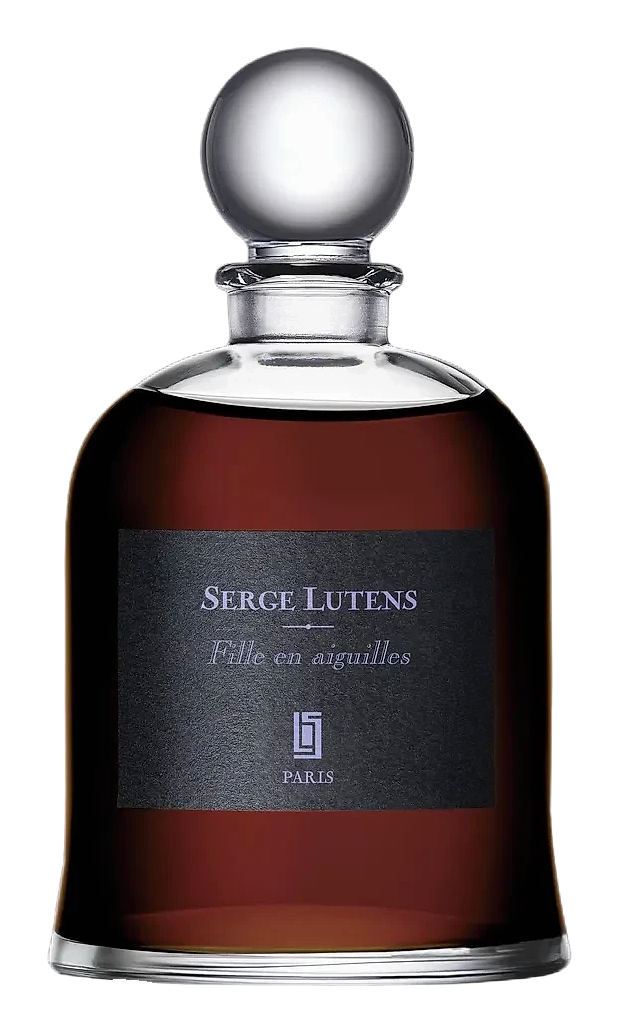
Woodcut has become a reference point for woody niche fragrances. Community reviews place it alongside higher-priced competitors like Serge Lutens Fille en aiguilles and Imaginary Authors Cape Heartache, not as a cheaper alternative, but as a more technically authentic take on the fresh-cut wood accord. The fragrance has found its audience among wearers who want wood that reads as actual wood, not a simulation of it.