The Story
Why it exists.
The beginning
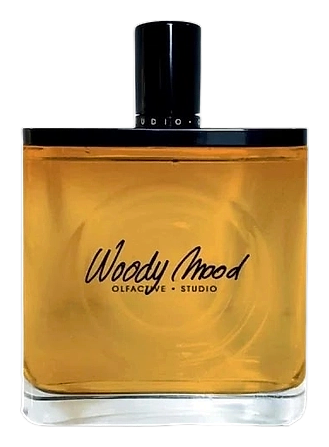
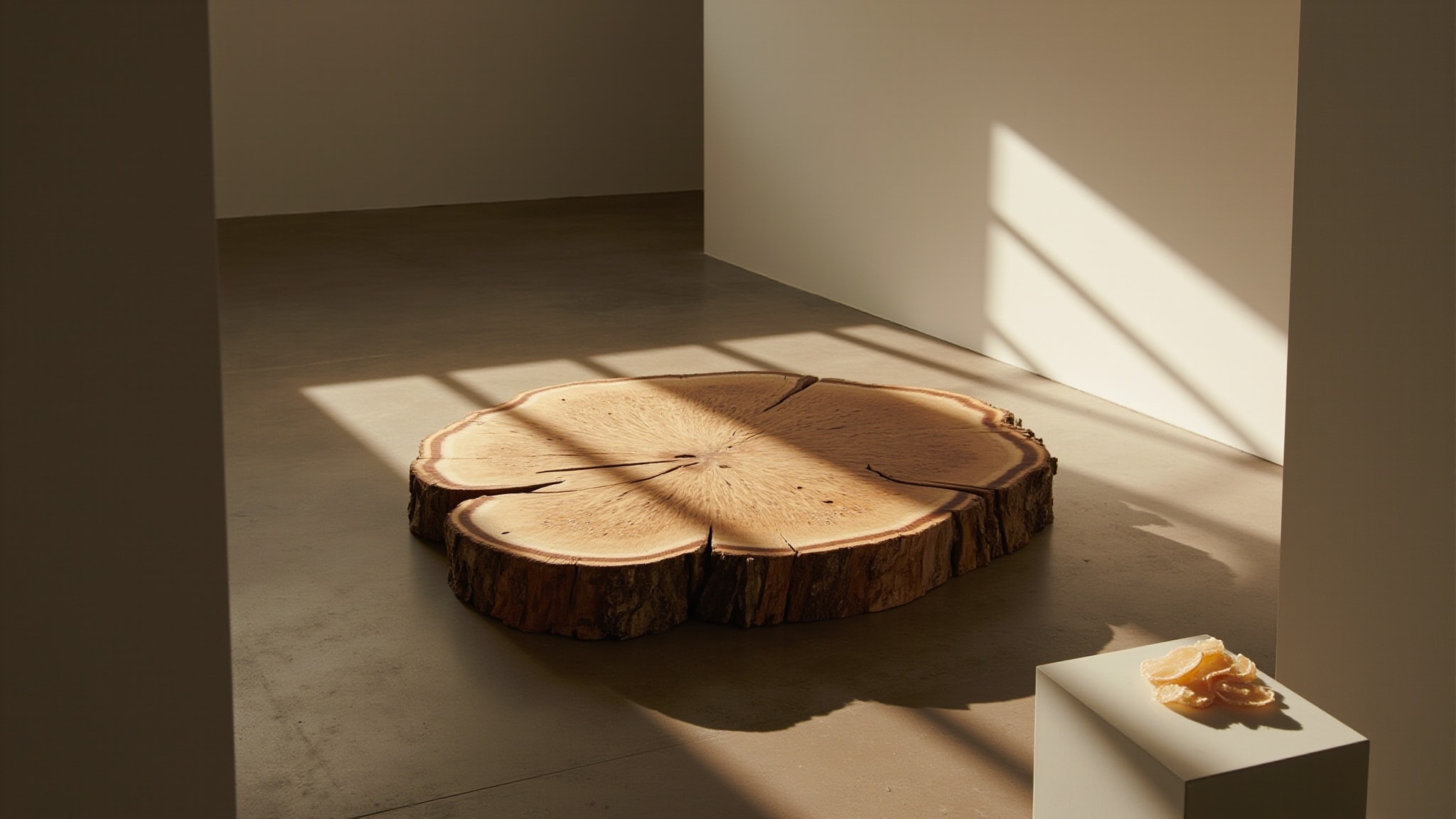
Woody Mood began with a photograph of scale, something vast, vertical, impossible to photograph in a single frame. The giant sequoias demanded that the fragrance itself become architectural: a structure you walk through rather than a scent you spray. Bertrand Duchaufour built it as a vertical experience, from bright opening to meditative heart to resinous anchor. The sequoia accord sits at the composition's center, but the fragrance earns that position through what comes first. Ginger and saffron arrive with precision, creating an opening that sparks before it settles. Then the heart opens: black tea, frankincense, Himalayan spikenard (jatamansi), and the sequoia itself, dry wood, ancient wood, the smell of something that has been standing longer than any argument about what perfume should smell like.
What makes Woody Mood distinctive is the frankincense-spikenard pairing at its heart. Spikenard (jatamansi) carries a medicinal, almost camphorated quality that most perfumers use as a whisper, Duchaufour lets it speak. Combined with frankincense, it creates a smoky, slightly bitter counterpoint to the brighter opening, preventing the composition from ever tipping into sweetness. The black tea note is the real technical achievement. Tea in perfumery can read as green or aquatic, but here it arrives dry and mineral, the smell of leaves after rain, of steam rising from a cup in a cold room. It bridges the citrus-spice opening and the resinous-woody base without announcing itself. The base rewards patience.
The evolution
The first ten minutes announce themselves clearly: bergamot and ginger create a citrus-spice burst that reads bright and immediate. The saffron adds a metallic, almost floral edge. Clary sage threads through, keeping the opening grounded in something aromatic rather than sweet. By the thirty-minute mark, the handoff begins. The citrus fades, and frankincense takes the stage alongside spikenard, smoky, resinous, slightly bitter. The black tea appears quietly, creating mineral contrast. The sequoia accord settles into place, dry and imposing. The drydown is where Woody Mood earns its name. Leather emerges, not harsh, but soft and worn. Patchouli grounds everything in earthy depth. Cocoa appears in the final hour, adding a bitter-sweet richness that most woody fragrances miss. The styrax lingers longest, creating a warm, balsamic finish that stays close to the skin for eight to ten hours on most wearers. The next morning, you find it on your collar: warm, resinous, a ghost of something that lasted longer than the night.
Cultural impact
Released in 2017, Woody Mood arrived during the niche fragrance expansion when wearers sought compositions with depth and longevity beyond mainstream offerings. The frankincense-spikenard pairing attracted those tired of safe, linear fragrances, positioning the scent as a statement for people who wanted their fragrance to ask something of the room rather than simply please it.