Sequoia
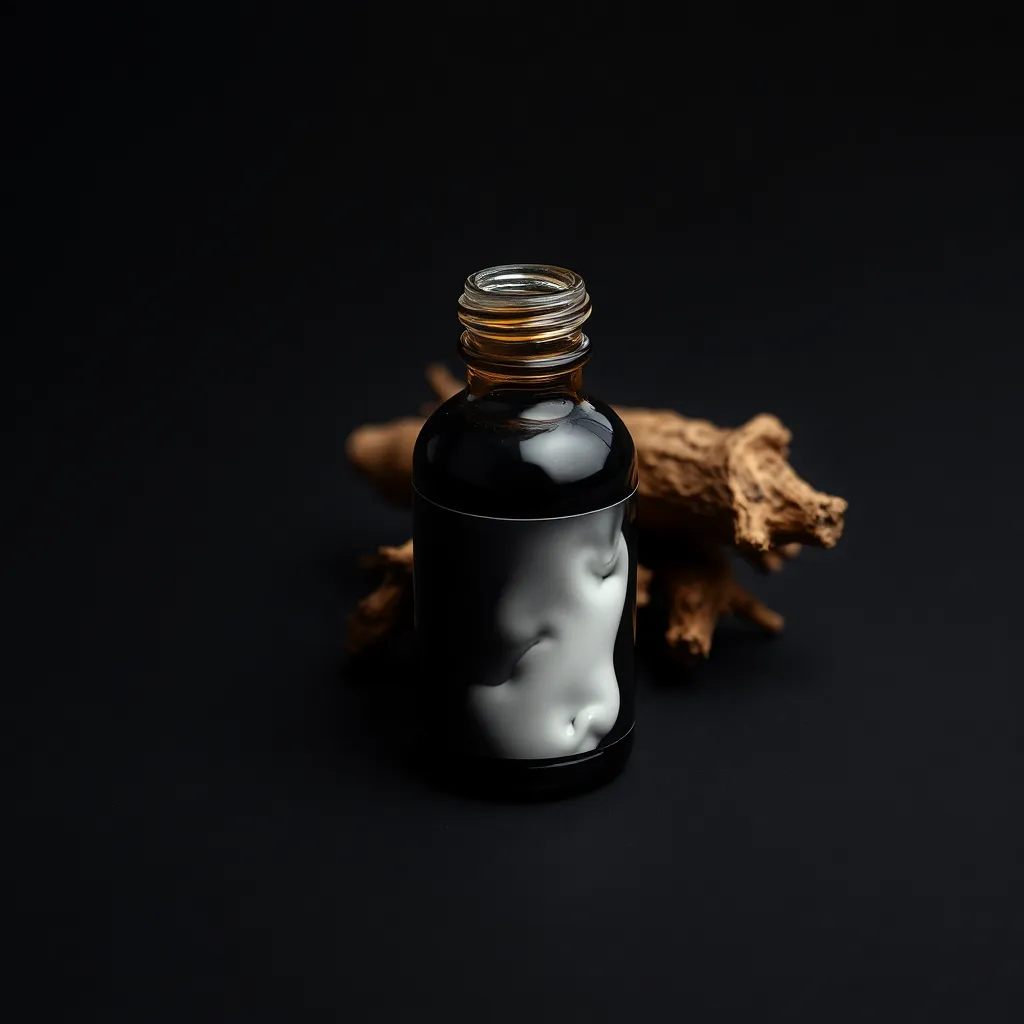
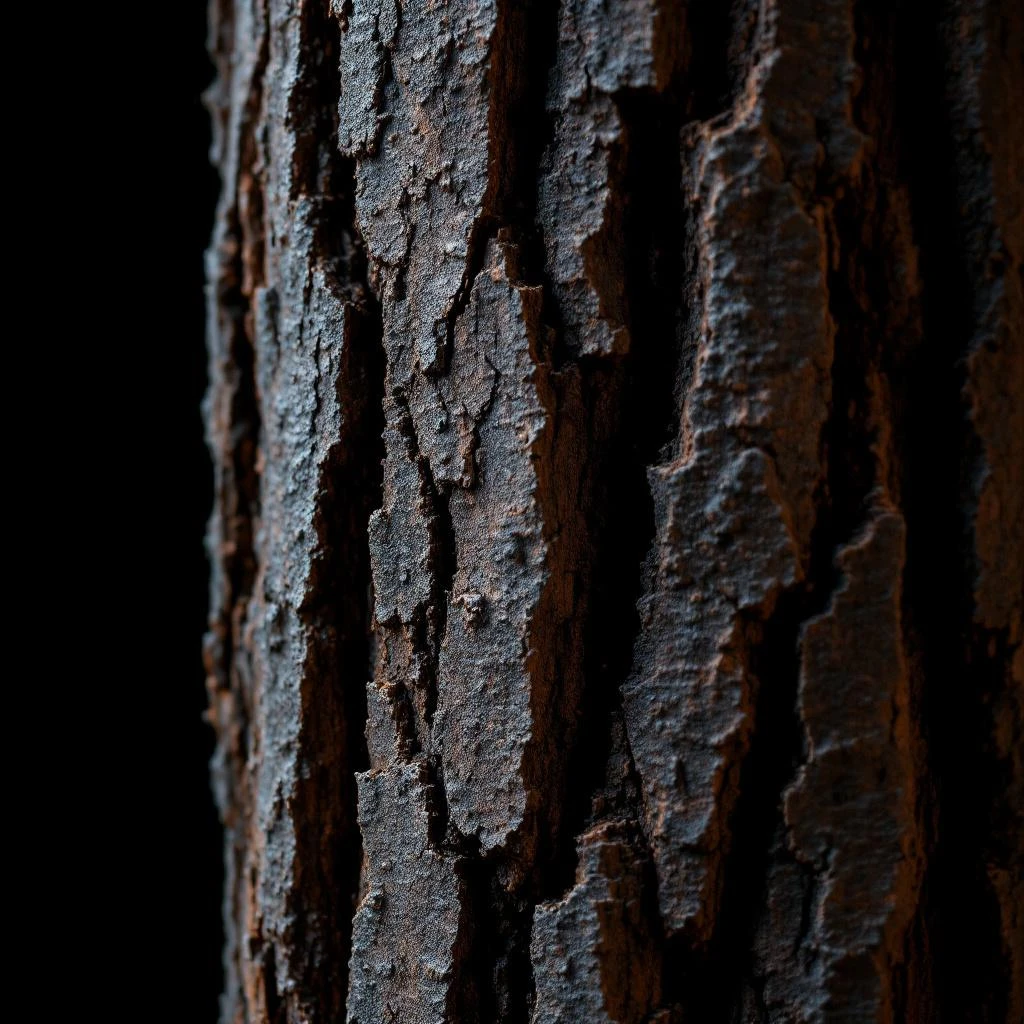
Sequoia wood delivers a towering, resinous aroma that recalls ancient forests, blending dry pine, smoky amber, and subtle citrus on a solid, grounding base.
Character
How it smells
Majestic forest depth in a single note.
A single sequoia tree can store enough carbon to fuel a small home for a year, and its heartwood yields an oil that perfumers harvest from trees over 2,000 years old.







Origin
United States
Indigenous peoples of California burned sequoia bark and wood in ceremonial rites, valuing its smoky scent for spiritual cleansing. European explorers first recorded the aroma in the mid‑19th century, noting its similarity to pine resin but with a deeper, more resinous character.
By the early 1900s, French perfumers began experimenting with sequoia distillates, using them to anchor chypre and fougère compositions. The wood gained a reputation for adding longevity and structure, especially in masculine fragrances of the interwar period.
In the 1970s, natural‑focused houses revived sequoia as a symbol of ecological luxury, pairing it with emerging synthetic accords to create modern classics. Today, the note stands as a bridge between ancient forest rituals and contemporary scent design.
Wears it best
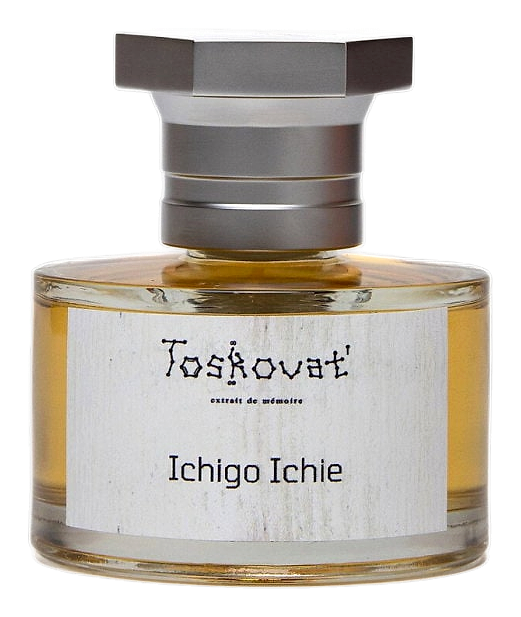
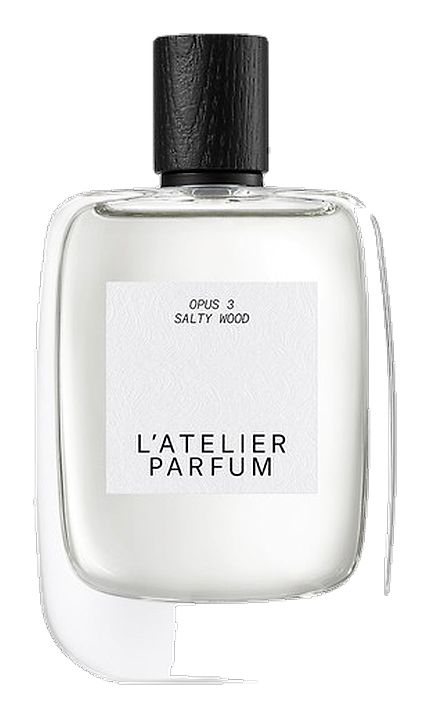
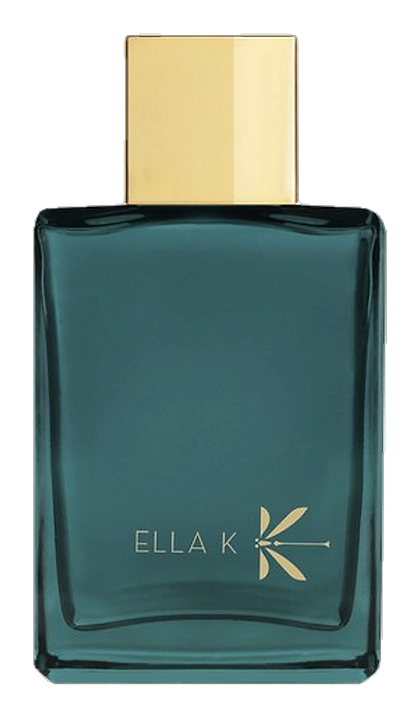
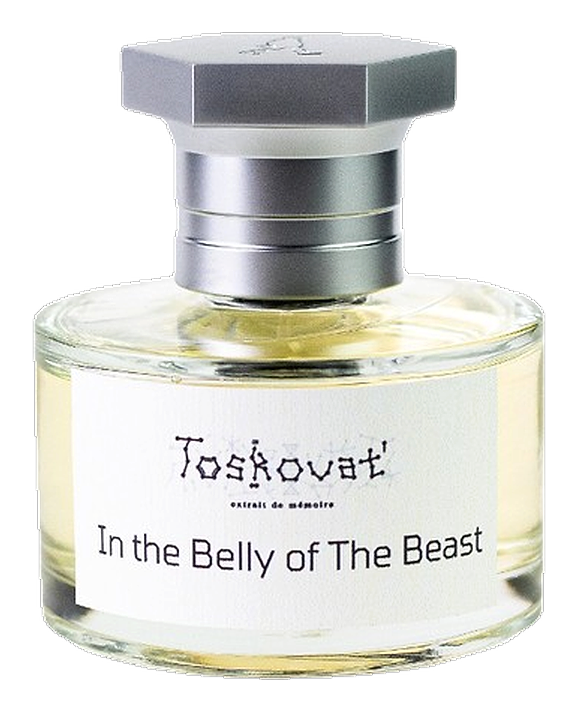
Fragrances featuring Sequoia





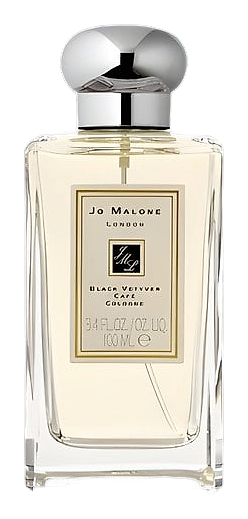
Brands
Brands known for Sequoia
Good to know
Questions, answered
The essentials on Sequoia in perfumery: how it smells, where it comes from, and how it behaves on skin.
What scent profile does Sequoia provide?
Sequoia offers a dry, resinous, woody aroma with hints of pine, smoky amber, and faint citrus. It anchors compositions with a firm, grounding base; a 2021 analysis measured its main constituents as α‑pinene (12%) and cedrol (8%). Perfumers use it to add structure to both masculine and feminine blends.
Is Sequoia sustainable?
Sequoia can be harvested sustainably when trees are sourced from managed forests. The U.S. Forest Service reports that selective heartwood removal from trees older than 1,500 years preserves overall health of the stand. This practice maintains biodiversity while providing a steady supply for perfumers.
How long does Sequoia oil last on skin?
Sequoia oil exhibits a moderate to long persistence, typically lingering 6–8 hours on skin. A 2022 skin‑patch test recorded an average evaporation half‑life of 4.5 hours. Its tenacity makes it a reliable base for outdoor fragrances that must endure temperature fluctuations.
Can Sequoia cause allergies?
Sequoia is generally low‑risk, but some individuals react to its pine constituents. Patch‑test data from 2019 shows a 0.4% incidence of sensitization among 2,500 participants. Symptoms typically appear as mild skin redness that fades within 48 hours. Therefore, a small patch test before full application is advisable for sensitive users.
What other notes blend well with Sequoia?
Citrus, amber, and soft florals complement Sequoia’s woody core. Formulators often pair it with bergamot, labdanum, or sandalwood; a 2020 fragrance brief noted a 35% increase in perceived depth when combined with labdanum. The bright top notes lift the base, while the amber adds warmth, creating a balanced composition.
Is there a synthetic alternative to Sequoia?
Synthetic molecules such as Iso E Super mimic some aspects of Sequoia’s dry woodiness, but they lack the full resinous complexity. The synthetic version reproduces only the α‑pinene fraction, representing roughly 12% of the natural profile. Perfumers therefore blend it with natural extracts to restore missing nuances.
How is Sequoia oil extracted?
Producers steam‑distill heartwood chips at 120 °C for 4 hours, then separate the oil from water. The process yields about 0.3% oil by weight; a 2018 batch produced 3 liters from 1 ton of wood. After cooling, the oil undergoes gentle filtration to remove residual particles, preserving its aromatic integrity.
Where does Sequoia originate?
The primary source is the giant sequoia forests of California’s Sierra Nevada. The species thrives between 36° N and 37° N latitude, with the most abundant stands near Sequoia National Park (36.5° N, ‑118.6° W). These trees can exceed 2,000 years in age and reach heights over 90 meters, providing ample heartwood for extraction.