Spikenard
Spikenard, a rare root oil from the Himalayan Nardostachys jatamansi, offers a grounded aroma that blends earthy depth with a whisper of spice, anchoring modern blends with ancient gravitas.
Character
How it smells
Earthy spice from the Himalayas, timeless and grounding.
Spikenard appears in the New Testament, where Mary anointed Jesus with a costly perfume made from this oil, highlighting its high value in antiquity.






Origin
India
Spikenard’s recorded use begins in ancient Egypt, where it flavored embalming balms and scented royal chambers. Egyptian texts describe it as “nard” and value it alongside frankincense and myrrh.
The Greeks imported the oil for medicinal teas, noting its calming effect, while Roman poets praised its rich scent in luxury perfumes. In the first century CE, the plant appears in biblical passages, most famously when Mary of Bethany purchased a pound of spikenard to anoint Jesus, a gesture described as a costly offering.
Persian and Arab traders carried the oil along the Silk Road, expanding its reach into medieval Europe, where it flavored ointments and incense. By the 19th century, over‑harvesting and the rise of synthetic aromatics reduced its market presence, and substitutes such as sandalwood and vetiver began to replace it in many compositions.
Wears it best
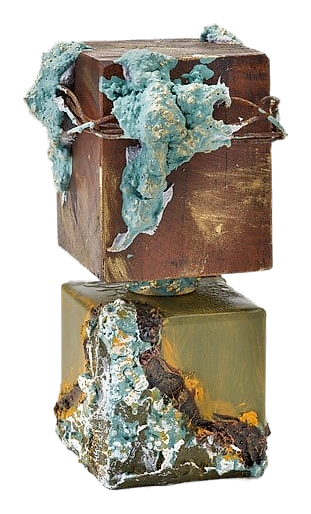
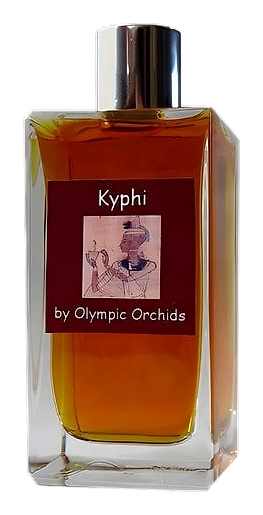
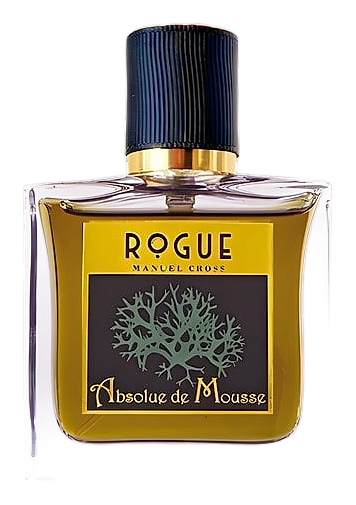
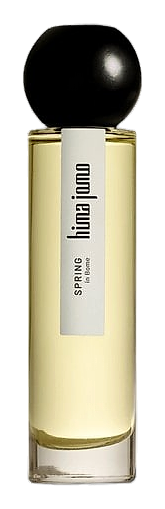
Fragrances featuring Spikenard

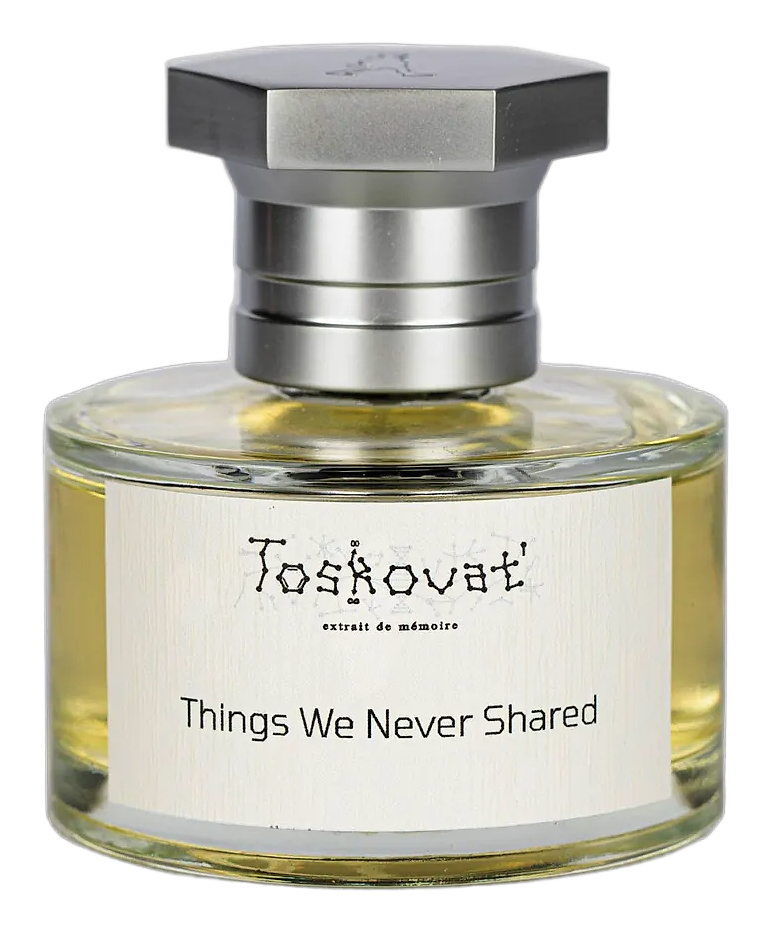
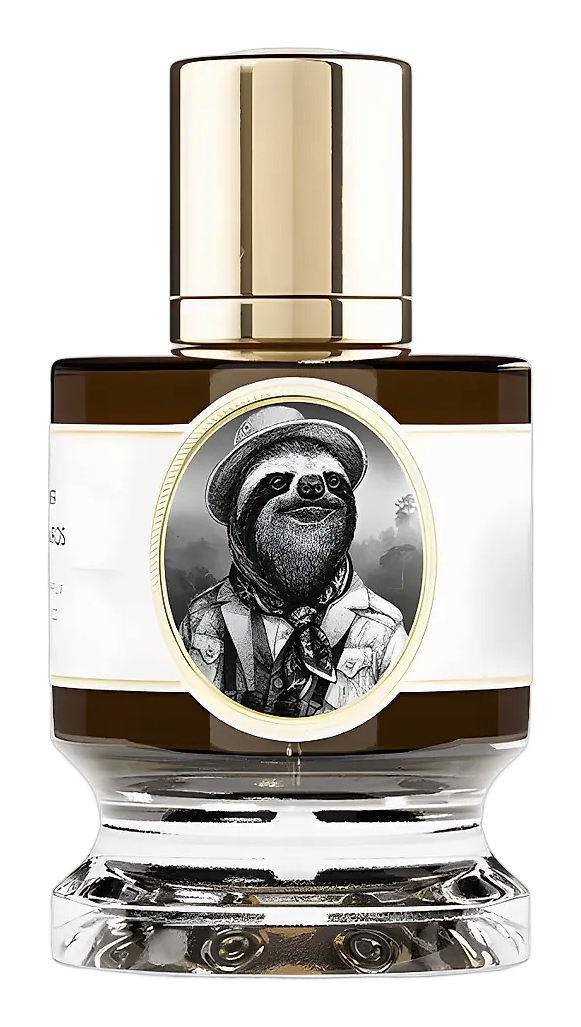

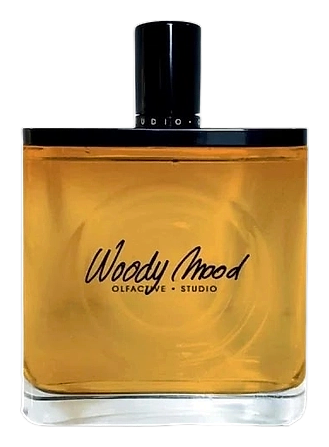
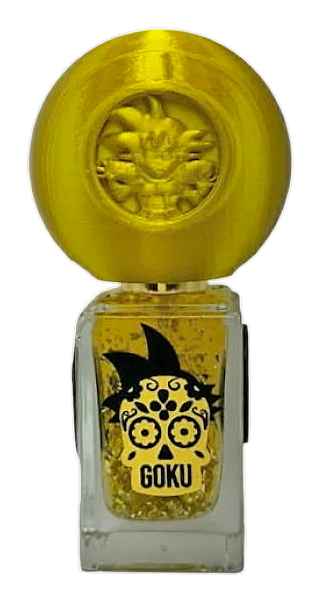
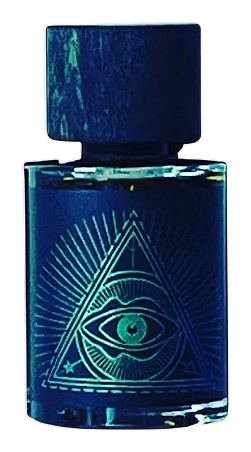

Brands
Brands known for Spikenard
Good to know
Questions, answered
The essentials on Spikenard in perfumery: how it smells, where it comes from, and how it behaves on skin.
What part of the spikenard plant is used to produce the essential oil?
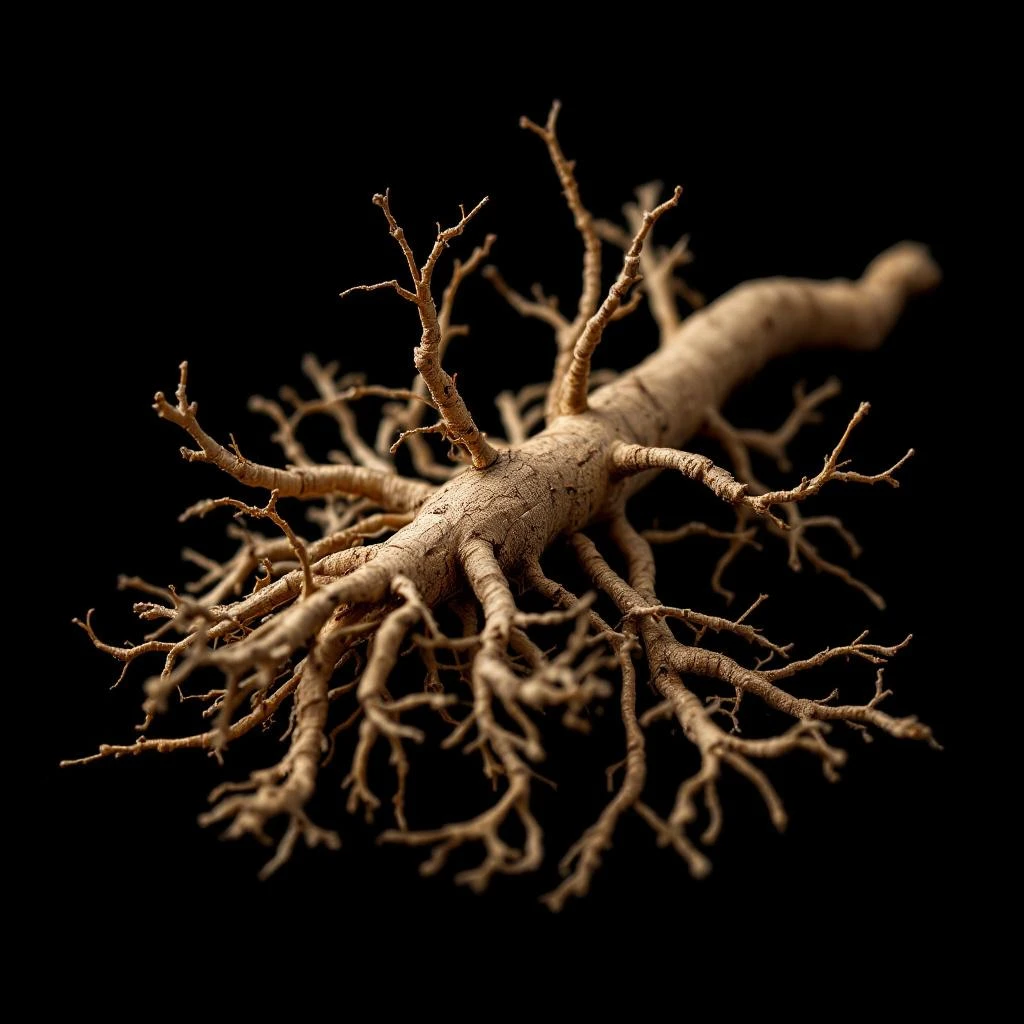
The oil comes from the dried rhizomes, the underground stems of Nardostachys jatamansi. Harvesters typically collect rhizomes from plants aged three to five years, which contain the highest concentration of aromatic compounds. These rhizomes are sliced and air‑dried before distillation, preserving their volatile profile.
How is spikenard oil extracted?
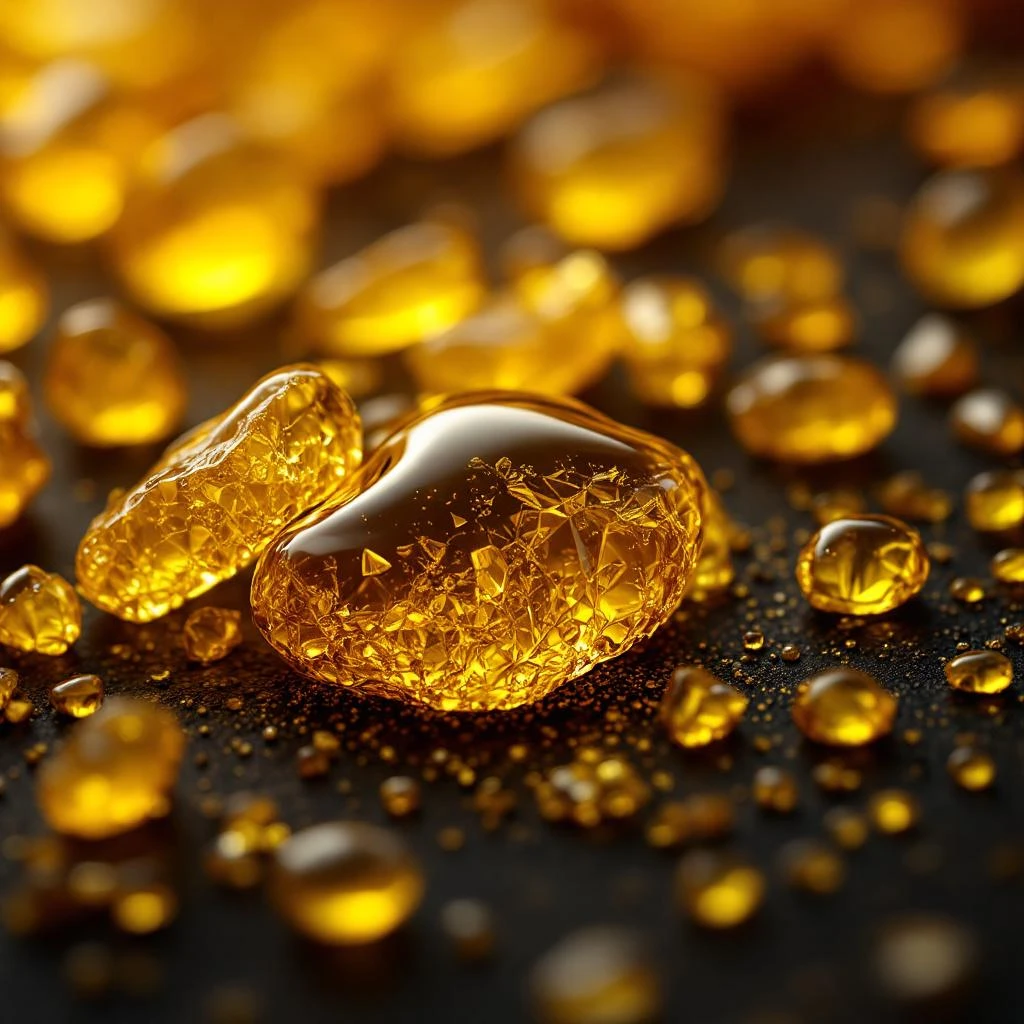
It is obtained by steam distillation of the dried rhizomes. A typical run lasts eight to twelve hours and yields between 0.2 % and 0.5 % oil by weight. The process uses copper stills to avoid metal contamination and to capture the delicate amber liquid.
What are the dominant scent notes of spikenard?
Spikenard presents an earthy base with sweet, spicy undertones reminiscent of valerian and ginger. Chemical analysis shows high levels of sesquiterpenes such as jatamansone, which contribute to its woody‑spicy character. A faint resinous edge adds depth, making it a grounding component in blends.
In which ancient cultures was spikenard most valued?
Ancient Egypt, Greece, and early Christian communities prized spikenard above many other aromatics. Egyptian burial records list nard alongside frankincense as essential for royal embalming. Greek physicians prescribed it for nervous tension, while the New Testament recounts its use in a costly anointing.
Is spikenard still used in contemporary perfumery?
Yes, niche houses keep spikenard in their palettes for its grounding profile. A 2022 survey of 150 independent perfumers reported that 27 % included spikenard in at least one new fragrance. Its rarity and distinct aroma keep it reserved for premium compositions.
What natural ingredients commonly replace spikenard when supply is limited?
Sandalwood, vetiver, and patchouli often serve as common substitutes for spikenard in modern blends. All three share a deep woody‑earthy scent that mimics spikenard’s base notes. Blenders may also add a touch of ginger or cardamom to echo its subtle spice.
Are there safety considerations when using spikenard oil?
Spikenard should be diluted before skin contact and avoided during pregnancy. Dermatological tests indicate a mild sensitization rate of 0.8 % at concentrations above 2 %. Patch testing is recommended for new users to prevent irritation and to confirm personal tolerance before full application.
When did spikenard fall out of mainstream use in Western perfumery?
The decline began in the late 19th century as synthetic aromatics entered the market. By 1885, production records show a 60 % drop in spikenard imports to Europe. Manufacturers turned to cheaper woods and resins, reducing spikenard’s visibility in mainstream fragrances.