






Heritage
A house, in its own words
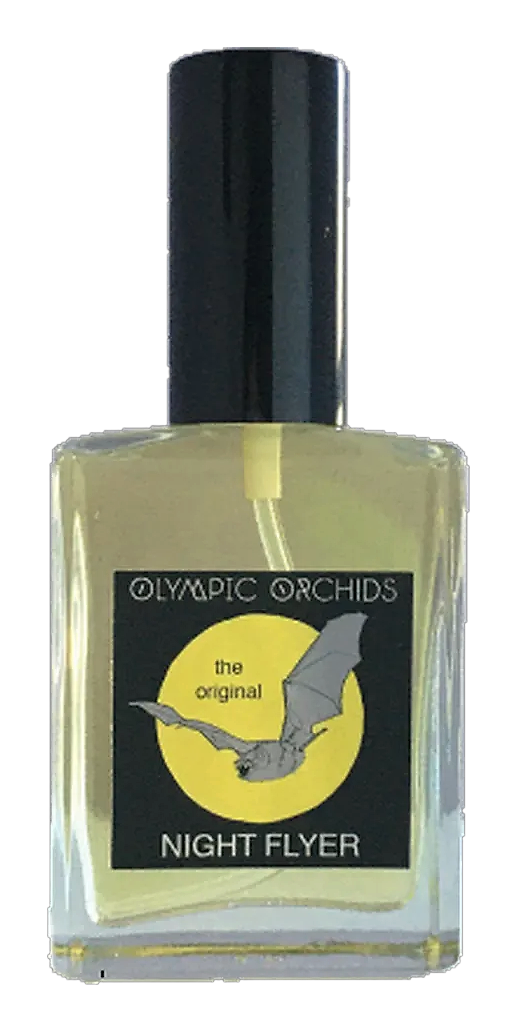
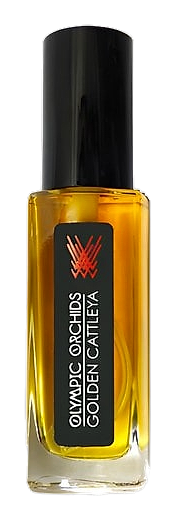
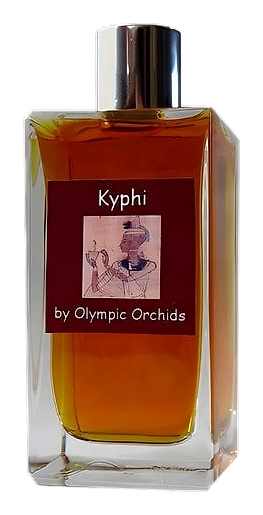
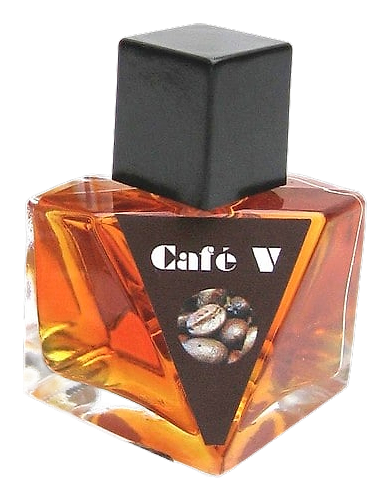
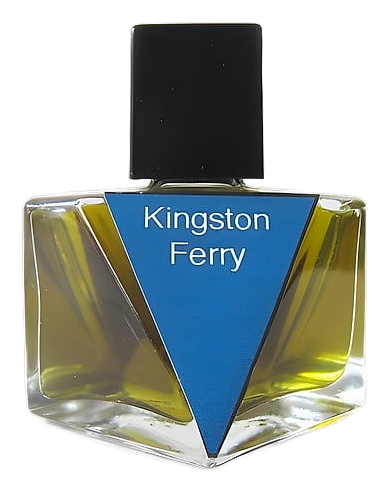
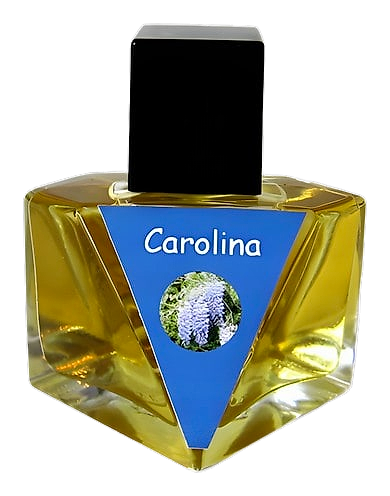
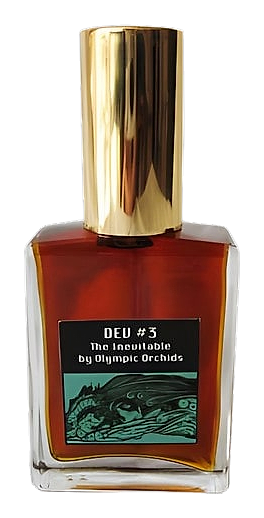
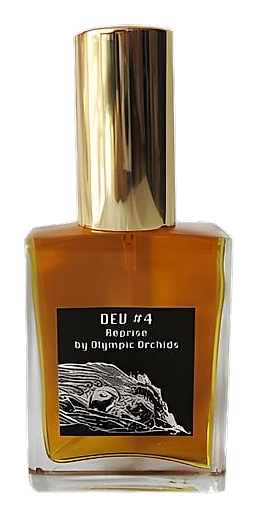
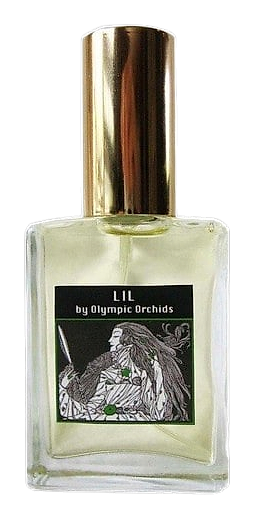
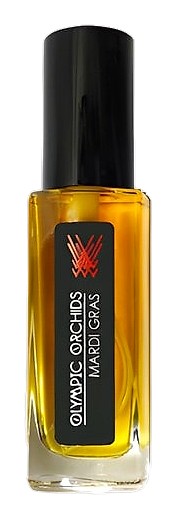
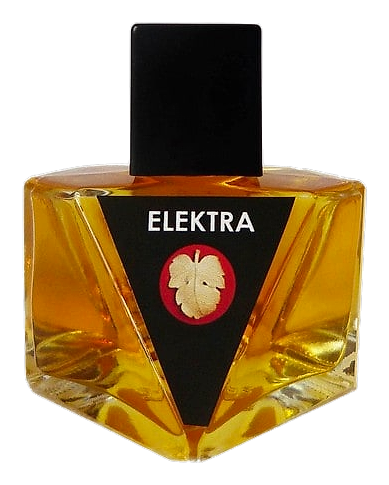
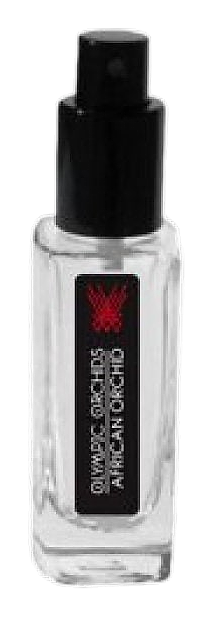
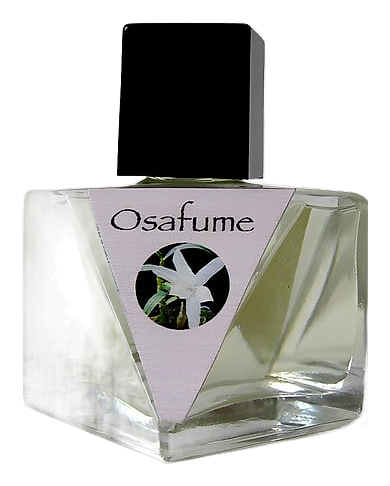
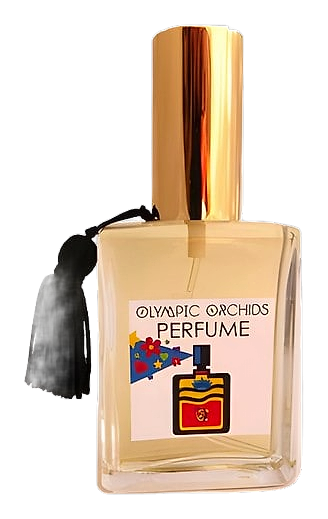
The story begins in 2006 when Dr. Ellen Covey, a botanist with a doctorate in plant sciences, opened Olympic Orchids, Inc. as a boutique orchid nursery in the foothills of Washington's Olympic Mountains. Her early work focused on cultivating rare species for hobbyists and local gardens. By 2010 Covey had begun experimenting with the aromatic compounds of the orchids she grew, leading to the formal launch of Olympic Orchids Artisan Perfumes as an extension of the farm. The first fragrance, Golden Cattleya, arrived that year and set a tone of botanical fidelity. In 2014 the house released a cluster of scents—Peace, Love, Woodcut, and Perfume—each built around distinct natural accords and presented in hand‑filled bottles. The following year saw the introduction of Olympic Amber (2011) and Mardi Gras (2015), expanding the palette beyond orchid notes to include amber, spice, and citrus. A notable milestone arrived in 2020 with Night Flyer, a composition that blended nocturnal florals with smoky woods, demonstrating the brand’s willingness to explore new olfactory territories while staying rooted in its horticultural origins. Throughout its evolution the company has remained a small, in‑house operation, handling formulation, bottling, and distribution within a single workshop. This continuity has allowed Olympic Orchids to maintain a consistent aesthetic and quality standard across more than a decade of releases. Olympic Orchids approaches perfumery as an extension of plant science. The brand’s guiding principle is to let the chemistry of a flower speak first, then shape it with subtle supporting ingredients. Covey often describes the process as a dialogue between botanist and nose, where each scent starts with a single botanical extract and grows through careful layering. Sustainability informs ingredient choices; the company prefers locally sourced absolutes and avoids synthetic aromachemicals unless they are essential for stability. Transparency is another pillar: the label lists the primary natural components and notes the batch size, inviting wearers to understand the material behind the aroma. Community also matters; the small team works closely with regional growers, sharing cuttings and knowledge in exchange for unique raw materials. This collaborative mindset reinforces a sense of place, rooting each fragrance in the ecosystems of the Pacific Northwest while allowing the scent to travel beyond regional borders.