The Story
Why it exists.
The beginning
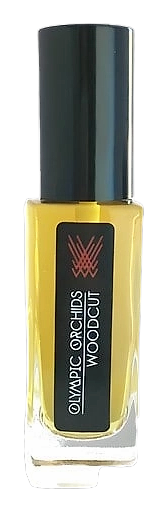
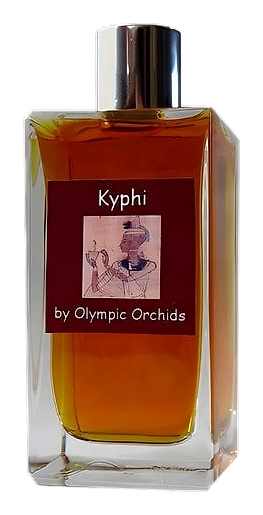
Kyphi is not a name Dr. Ellen Covey invented. It is the Latin rendering of the Greek translation of an Egyptian word, Kapet, for an incense formula used in ancient Egyptian temples. The recipe appeared in multiple forms across papyri, but the version that captured attention was found sealed in Tutankhamun's tomb, undisturbed for over three thousand years. When modern chemists analyzed the residue, they noted a smell similar to valerian, earthy, medicinal, and deeply strange. The 2011 recreation by Olympic Orchids went in a different direction. Rather than replicate a single archaeological sample, Covey built from the shared thematic threads running through the various ancient formulas: resins, aromatics, and warmth. The result is wearable but uncompromising. Kyphi is intended to function like the originals, as an uplifting, offbeat fragrance suited to focused stillness. Not a perfume you wear to a party. One you wear when the room goes quiet.
What makes Kyphi unusual is the density and specificity of its materials. Spikenard, the root of Nardostachys jatamansi, prized since antiquity and mentioned in the Song of Songs, appears here alongside calamus, cassia, and henna, materials that show up in the ancient formulas but rarely in modern perfumery. The combination of lemongrass and bitter orange at the opening is also atypical: both are bright and slightly medicinal, giving the opening an herbaceous cut that prevents the resins from arriving too heavy. The beeswax note is not a simple sweet addition, it provides a waxy, slightly smoky backbone that connects the fresh and resinous phases into something cohesive.
The evolution
The opening announces itself with herbal brightness, lemongrass and wild orange cutting clean through, with saffron giving a flash of warm spice before the aromatics settle. There is a medicinal edge here that some people recognize as spikenard, the earthier cousin of valerian that dominated the ancient recipes. Thirty minutes in, the frankincense arrives. It is cool, slightly camphoraceous, the kind of smoke that curls rather than billows. Around the forty-five minute mark, the beeswax rises to meet it, adding a honeyed warmth that ties the composition together. This is the heart of the wear: frankincense and beeswax moving in parallel, supported by myrrh's dark resinous depth. The drydown is where Kyphi earns its longevity. Myrrh, benzoin, and labdanum settle into a warm, slightly sweet balsamic base that clings to the skin. Eight to ten hours is the expected range on most skin types. On fabric, a scarf, a wool cuff, it lingers overnight. The morning after still carries traces of honeyed resin and faint incense.
Cultural impact
Kyphi occupies a particular corner of niche perfumery, one built around historical reconstruction rather than contemporary trend. It appeals to the wearer who wants a fragrance with a specific cultural argument behind it, not just an appealing accord. Its use in meditation and yoga circles reflects a broader interest in fragrance as contemplative practice, though it is equally at home on anyone who wants their perfume to carry weight and history rather than merely smell pleasant.