The Story
Why it exists.
The beginning
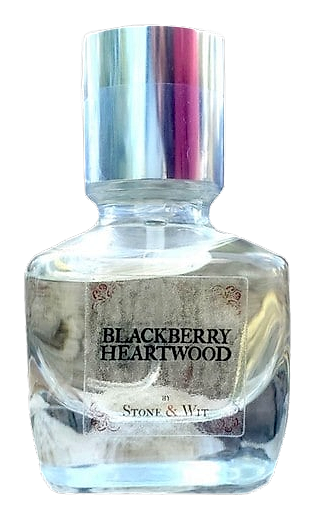
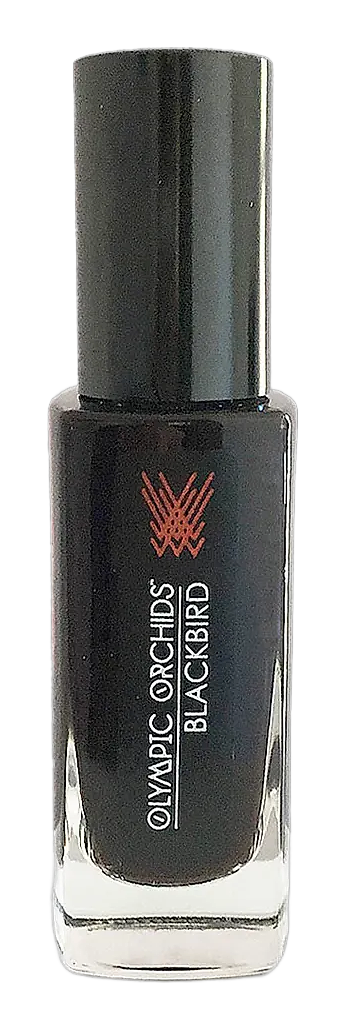
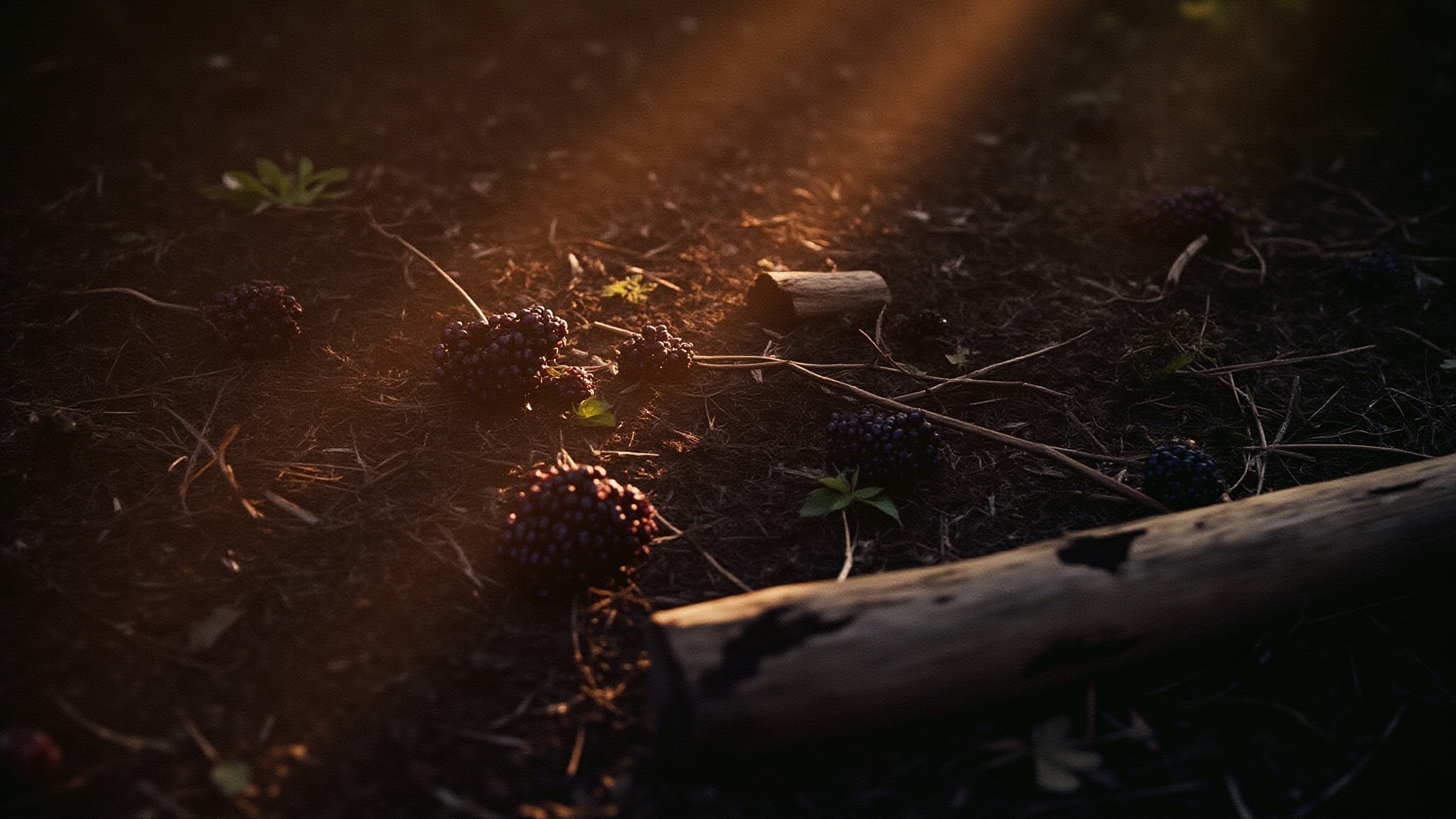
Blackbird wasn't conceived in a studio, it was made for the Northwest Indie Perfume Circuit, a venue that eventually lent the fragrance its name. Ellen Covey built the composition around a single question: what does the Pacific Northwest smell like, when blackberry has taken over the forest edges and fir balsam overhead blocks the last of the afternoon light? Not a romantic version of the region. The real thing. Berry sweetness cutting through cool air, the medicinal bite of fir sap. That specificity, a place, a season, a botanical truth, is where Blackbird lives.
The deep tart note comes from Himalayan blackberry, which carries more acidity than the sweet berries in a jam jar or a smoothie. When that's paired with fir balsam absolute and cedar resin, the fruit stops behaving like fruit and starts behaving like a botanical, bright, assertive, with the green bitter edge that makes the whole composition cut through. This is a fruity-resinous fragrance where the structure is more important than the sweetness. Most berry scents soften and sweeten with base notes. Blackberry keeps its edge all the way through.
The evolution
The opening doesn't ease in, it arrives. Tart, sharp, immediate. The blackberry hits first, bright and almost medicinal in its intensity. Within a few minutes, the fir arrives: not a gentle green but a dense, resinous canopy overhead, the kind that blocks light. The berry doesn't disappear, it deepens, becomes darker, takes on a jam-like weight without losing its acidity. This is where Blackbird earns its reputation. That initial tartness either pulls you in or pushes you back. If it's pulling, stay. The sharp edge settles as time passes. The composition smooths into a cohesive long mid, berry, fir, and cedar working as a single chord rather than a sequence. Hay and amber appear in the base, giving the drydown a golden quality. Sillage remains strong through the first hour, then moderates into something more intimate.
Cultural impact
Blackbird occupies a specific position in the landscape of woody indie fragrances. The berry-fir combination reads differently depending on your experience with Pacific Northwest landscapes: to those familiar with the region, it arrives as something recognizable, almost autobiographical; to others it opens a door to accord that doesn't show up in the standard fragrance vocabulary. This dual reception has made Blackbird a reference point for collectors interested in photorealistic nature translation in perfume.