The Story
Why it exists.
The beginning
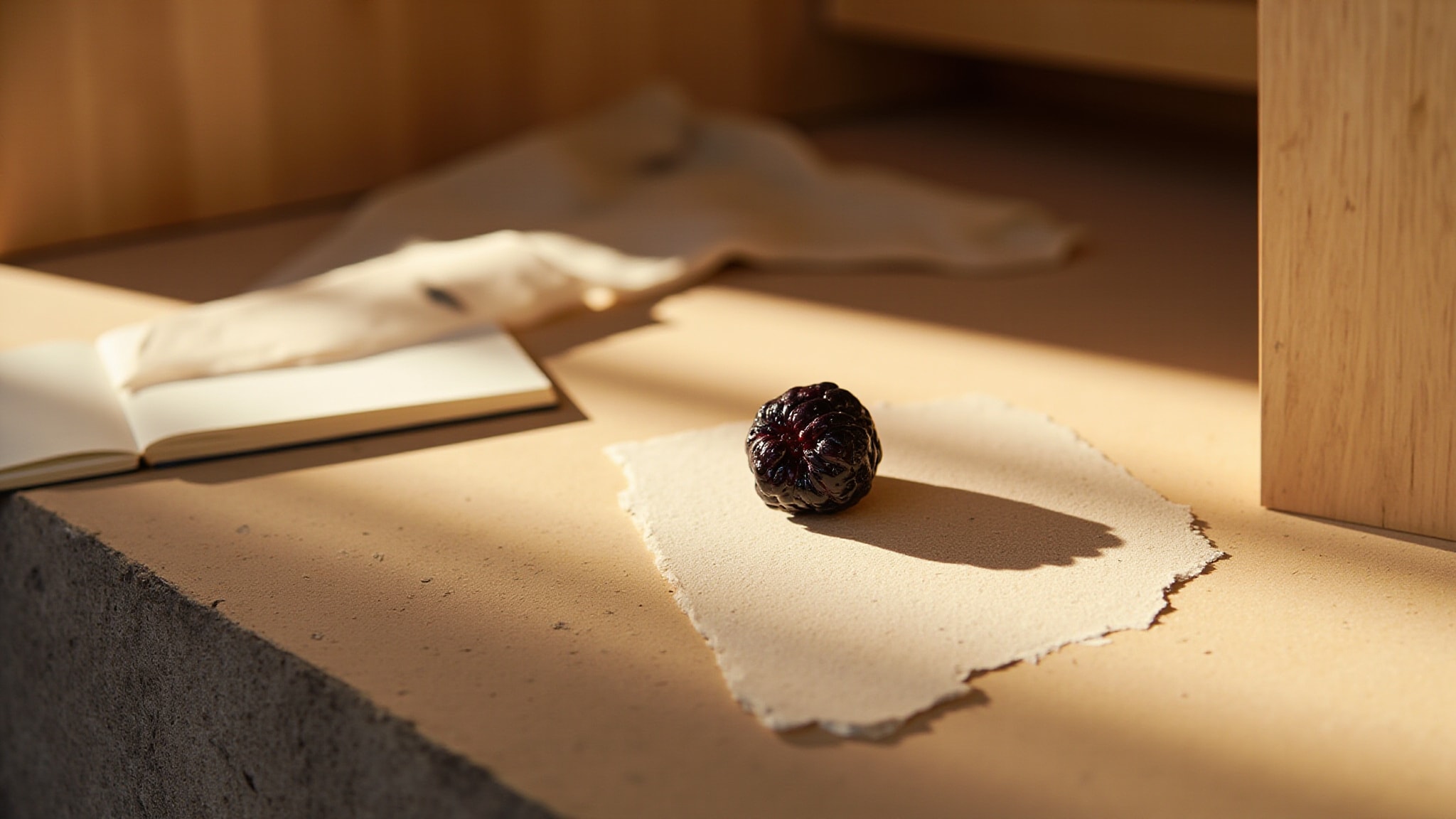
R Bagley had been chasing blackberry for a while when a realization struck: the actual odor of blackberries is somewhat one-dimensional. Boring, even. Eating them, though, that's where the tart greenness and citrus and berry aspects get so much stronger. The retronasal experience became the brief. This wasn't going to be a fragrance about the fruit. It was going to be about the act of eating it, that bright, urgent moment when flavor and scent collide. The name came from that duality: blackberry for the accord, heartwood for the warmth underneath.
What makes this composition interesting is the gap between its description and its execution. "Blackberry and sandalwood" sounds simple. It isn't. The four notes, blackberry, amyris, green notes, sandalwood, don't try to replicate the smell of the fruit. They reconstruct the experience of it. The blackberry accord in Blackberry Heartwood is built around retronasal olfaction: the way taste and smell combine when you eat something. That's a different creative brief than most fruity fragrances attempt. Sandalwood provides the warmth and richness that keeps the tartness from becoming clinical. Amyris, earthy and slightly resinous, adds depth that makes the whole thing feel rooted rather than floating.
The evolution
The opening arrives bright and tart, almost citrus-adjacent, like biting into a blackberry that hasn't been chilled. Green and immediate. Within minutes, the sandalwood starts to surface, bringing warmth with it. The heart phase is where this fragrance earns its name: a sunlit forest warmth, green leaves and wood, the richness of sandalwood settling into the composition like afternoon light through trees. Amyris deepens it, gives it body. The drydown is where the heartwood earns its keep. The blackberry recedes. The woody notes don't, they linger, warm and earthy, close to the skin. Root-like. Almost bark. The memory of where the berries grew. Lasts into the evening on most skin types, intimate and close rather than projecting. The next day, there's a ghost of it on fabric, sweet wood, not quite gone.
Cultural impact
Blackberry Heartwood has found its audience among people who appreciate indie perfumery's willingness to complicate simple concepts. The retronasal approach to blackberry, building a fragrance around the experience of eating rather than smelling, is the kind of idea that gets discussed in fragrance communities. It's not a blind-buy safe scent, given the tartness that opens sharp. But for those who connect with it, it becomes a signature. The 2022 release sits alongside Wandering Star in the brand's catalog, both representing the house's move toward compositions that reward attention.
The House
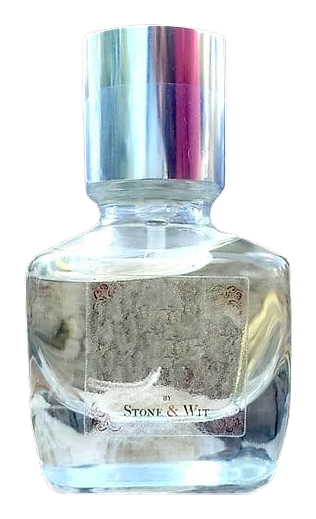
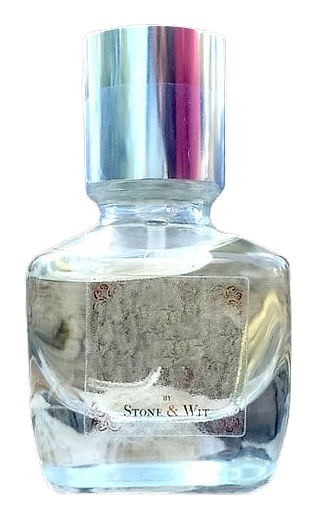
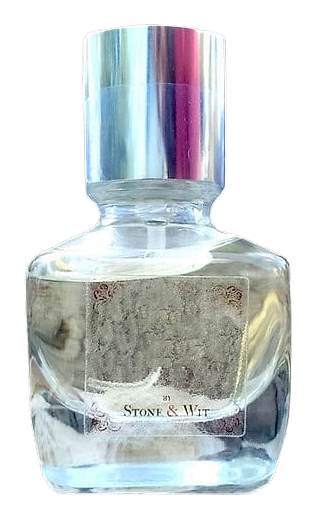
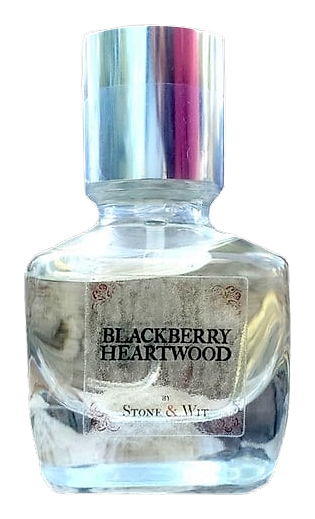
Stone & WitStone & Wit is an independent fragrance house producing handcrafted perfumes and grooming oils. The brand focuses on small-batch creation using ethically sourced ingredients, with a catalog that spans multiple fragrance families from aromatic to fruity to resinous. Their perfume lineup includes releases like Ashara (2020), featuring black tea and white oud, and Blackberry Heartwood (2022), which showcases forest fruit notes alongside woody accords. Beyond fragrance, Stone & Wit offers beard oils and hair oils, positioning itself as a comprehensive grooming brand. The company operates with a direct-to-consumer model, selling primarily through their online presence. Their fragrances are oil-based, combining fragrance concentrates with carriers like fractionated coconut oil or isopropyl myristate. Community discussions on independent fragrance forums note that Stone & Wit's catalog includes scents described as masculine or unisex, filling a niche that some users felt was underrepresented among indie perfume houses.
The Creator
R BagleyBagley's signature leans toward the photorealistic and the slightly austere. Woods are a recurring anchor, rendered with a dry, modern edge rather than the syrupy sweetness of older traditions.