Amyris
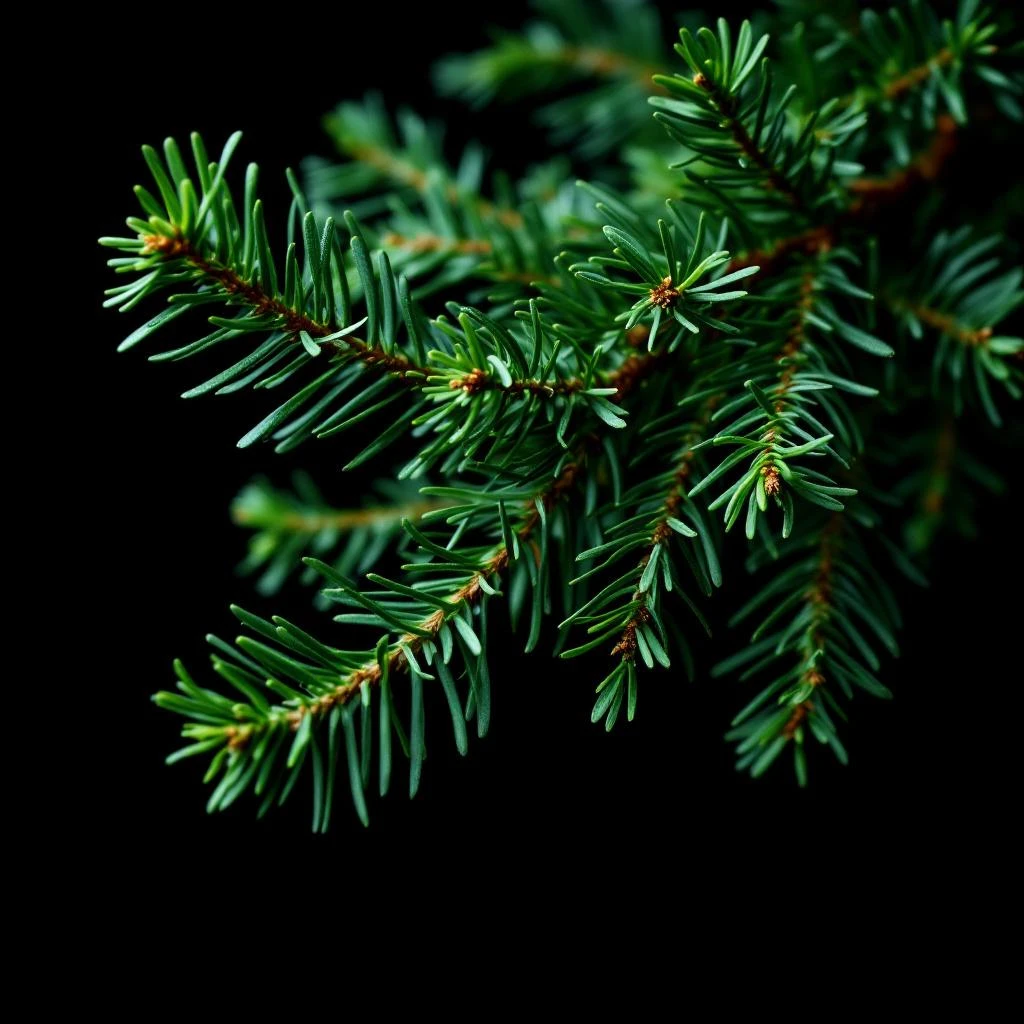
Amyris delivers a warm, woody foundation with soft balsamic sweetness and subtle peppery edges. Often called West Indian Sandalwood, this sustainable base note anchors compositions with creamy depth while offering an ethical alternative to endangered sandalwood species.
Character
How it smells
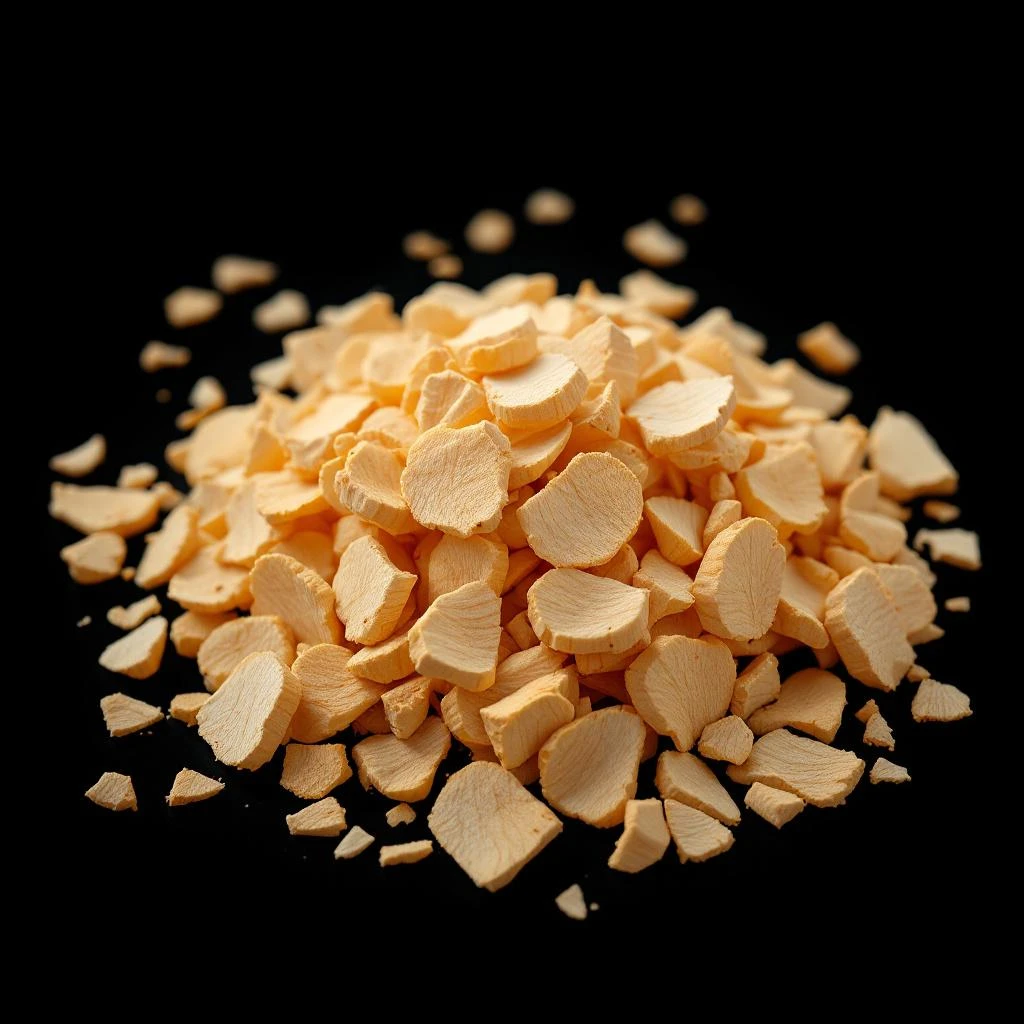
The creamy Caribbean wood that anchors modern perfumery with sustainable warmth.
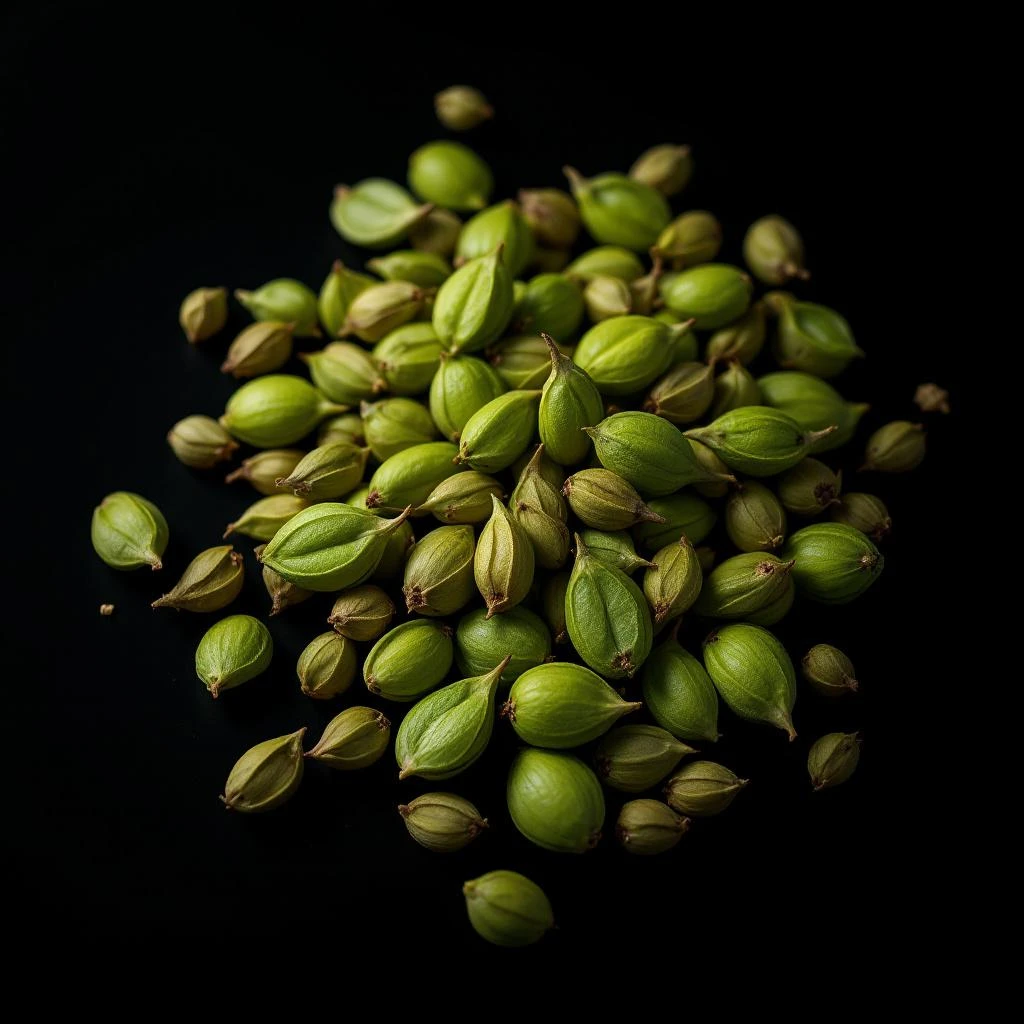
Caribbean natives nicknamed Amyris "candlewood" centuries ago because its resin-rich wood burns so brightly and slowly that it served as natural torches long before electricity.








Origin
Haiti
Amyris carries a history as layered and complex as its aromatic profile. The genus name derives from the Greek "amyron," meaning intensely scented, a reference to the powerful resin that permeates every part of the tree. Caribbean indigenous communities discovered the wood's remarkable properties long before European contact. They called it "torchwood" or "candlewood" because the resin-saturated branches burn with a bright, steady flame, providing light that outlasted ordinary firewood by hours. This practical use merged seamlessly with spiritual practice, the wood's smoke believed to cleanse spaces and calm restless spirits. In Haitian and Dominican folk medicine, Amyris oil found application as a calming agent and skin remedy, its warm aroma incorporated into healing rituals that continue in some rural communities today.
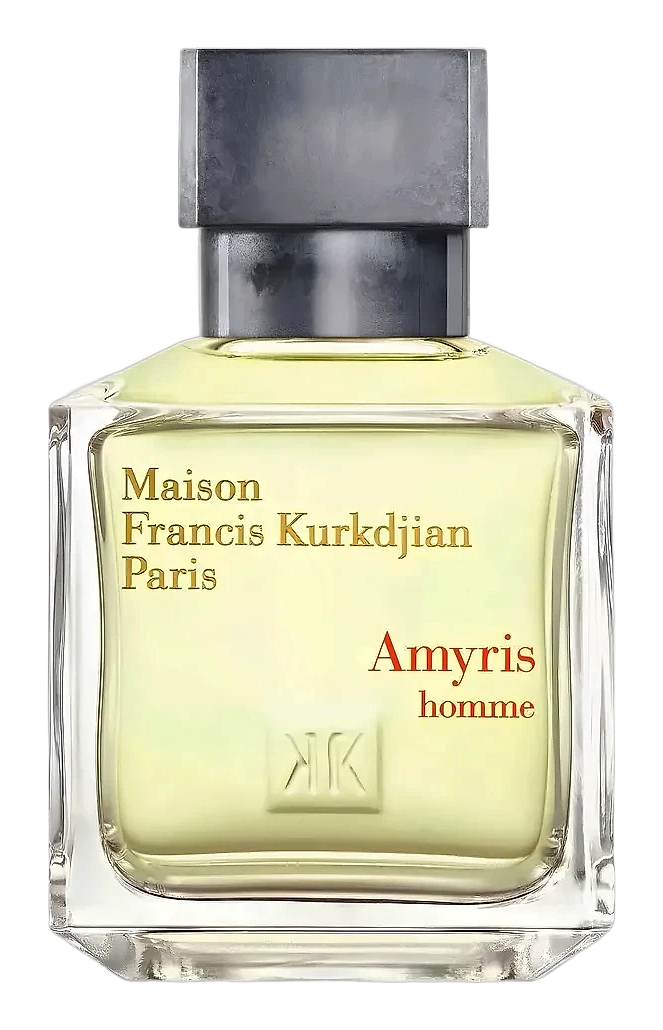
The note entered fine perfumery relatively late compared to ancient ingredients like frankincense or rose. Its modern prominence arose partly from necessity, as Indian sandalwood became increasingly scarce and protected. Perfumers seeking that creamy, woody warmth without ethical complications turned to Amyris, discovering that it offered something distinct rather than merely a substitute. The material lacks sandalwood's milky lactonic quality but brings a drier, more resinous character with subtle peppery nuances that sandalwood cannot match. Maison Francis Kurkdjian built an entire fragrance line around the note, establishing Amyris as a sophisticated, contemporary wood in its own right. Today it anchors compositions across the fragrance spectrum, from fresh citrus colognes that need a soft woody base to orientals seeking balsamic depth, its Caribbean origins lending an unmistakable warmth that synthetic alternatives struggle to replicate.
Wears it best
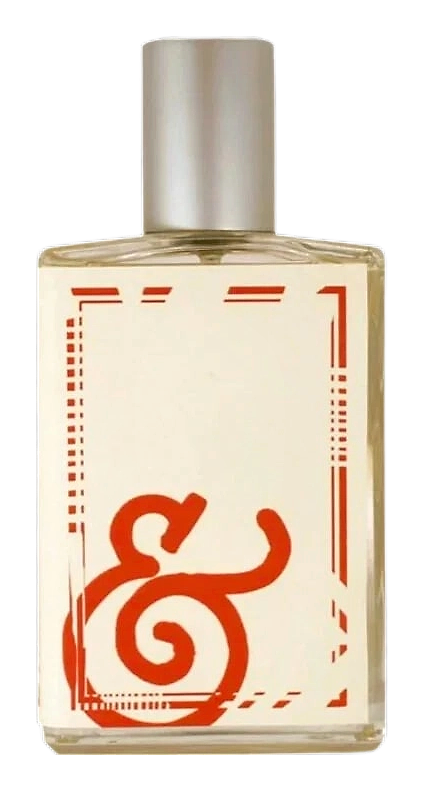
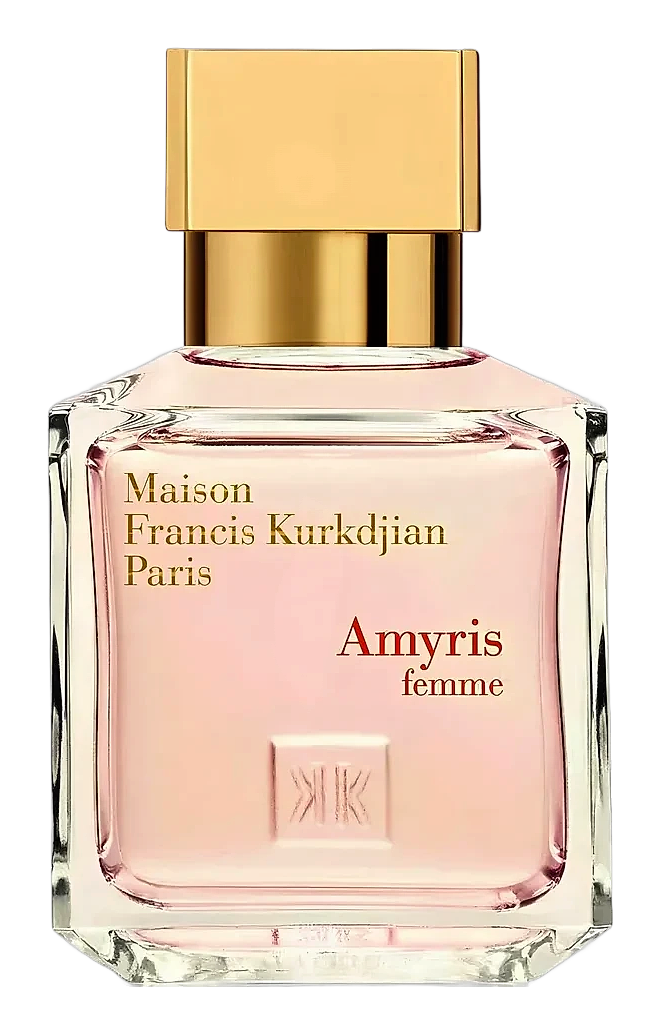
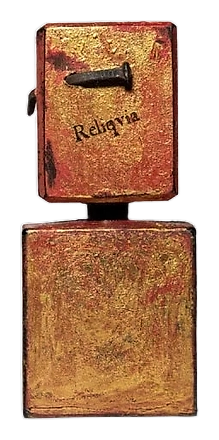
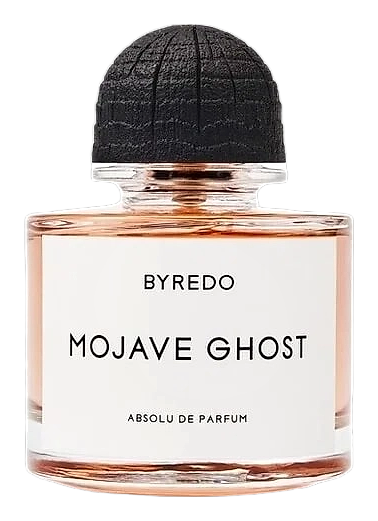
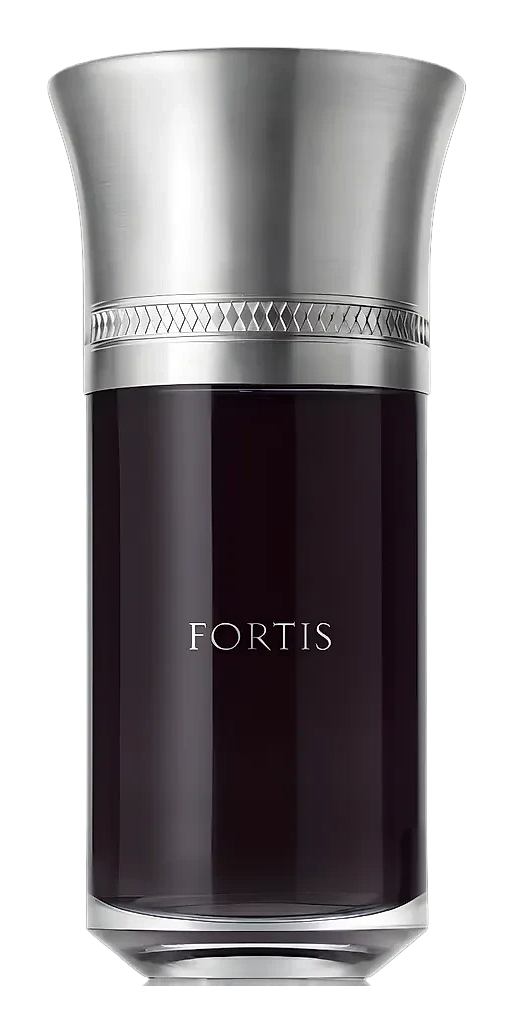
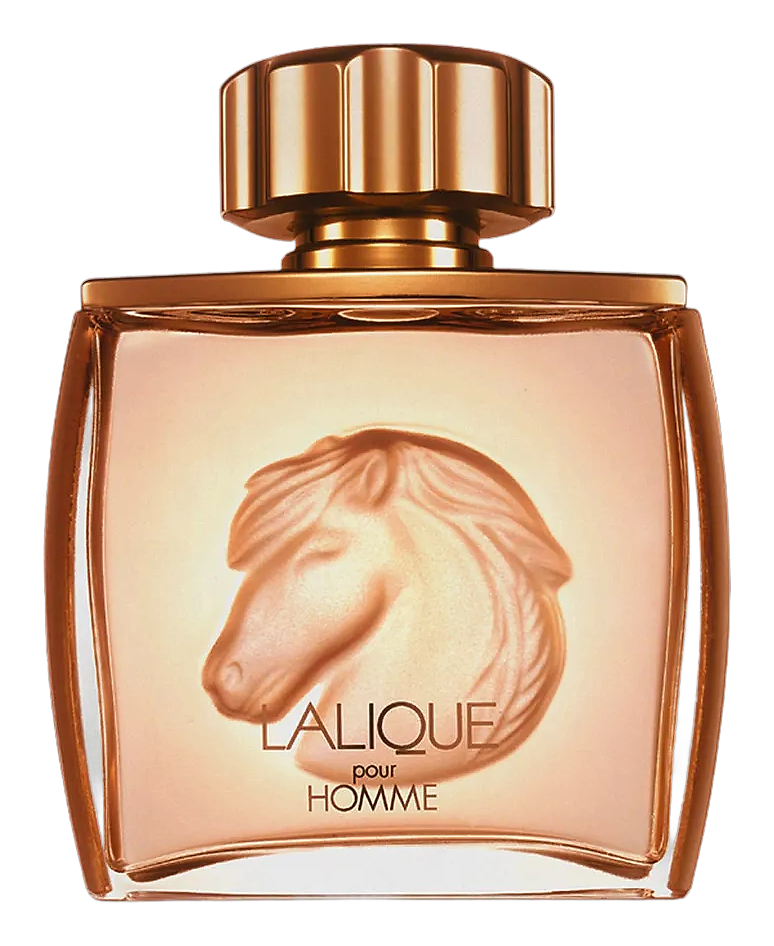
Fragrances featuring Amyris



Brands
Brands known for Amyris
Good to know
Questions, answered
The essentials on Amyris in perfumery: how it smells, where it comes from, and how it behaves on skin.
What does Amyris smell like in perfume?
Amyris smells warm, woody, and creamy with subtle balsamic sweetness and a dry, resinous character. It carries hints of pepper and vanilla that distinguish it from true sandalwood, reading as slightly more angular and earthy. The scent lingers for many hours on skin, functioning as a base note that provides structure and longevity without overwhelming brighter ingredients.
Why is Amyris used in perfumery?
Perfumers use Amyris primarily as a sustainable, ethical base note that delivers creamy woody warmth similar to sandalwood. It acts as a fixative, extending the life of more volatile top and heart notes while adding structure and depth. Its versatility allows it to blend seamlessly into woody, oriental, floral, and even citrus compositions, making it valuable across virtually every fragrance family.
Is Amyris in perfume natural or synthetic?
Amyris in perfumery is almost exclusively natural, extracted through steam distillation of Amyris balsamifera heartwood. Synthetic alternatives exist but remain uncommon because the natural oil is relatively affordable and sustainably produced. The tree grows abundantly in Haiti and the Dominican Republic, regenerating faster than true sandalwood, which makes natural Amyris an environmentally responsible choice for perfumers seeking woody base notes.
What famous perfumes contain Amyris?
Maison Francis Kurkdjian dedicated an entire line to this note with Amyris Homme and Amyris Femme, showcasing its versatility in both masculine and feminine compositions. Other notable fragrances include BDK Parfums Velvet Tonka, Burberry Hero Parfum, and Acqua di Parma Colonia Oud. It also appears in works by Roja Dove and various niche woody-oriental creations where perfumers seek sustainable sandalwood alternatives.
Is Amyris a top note, heart note, or base note?
Amyris functions exclusively as a base note in perfumery, anchoring compositions with its persistent woody warmth. Its molecular structure, dominated by heavy sesquiterpenes like valerianol and beta-eudesmol, evaporates slowly over many hours. This low volatility makes it ideal for extending fragrance longevity and providing a stable foundation upon which lighter notes can shine without disappearing too quickly.
What notes pair well with Amyris in perfume?
Amyris pairs beautifully with citrus oils like bergamot and mandarin, which brighten its woody depth. It complements florals such as iris and jasmine, adding warmth to their delicacy. In orientals, it blends with vanilla, tonka, and amber resins. For woody compositions, it works alongside cedar, vetiver, and oud, softening their edges while maintaining complexity and structure throughout the drydown.
Where does Amyris come from?
Amyris balsamifera grows naturally in the Caribbean, primarily in Haiti and the Dominican Republic. The tree thrives in dry, rocky hillside forests between 200 and 900 meters elevation. Haitian oil tends toward drier, more resinous profiles while Dominican material offers creamier sweetness. Some production also occurs in Jamaica and other tropical regions, though Caribbean sources remain the benchmark for quality in fine perfumery.
Is Amyris used in men's or women's fragrances?
Amyris appears in both men's and women's fragrances without strong gender association. Its woody warmth reads traditionally masculine in compositions like Burberry Hero, while Maison Francis Kurkdjian's Amyris Femme demonstrates its elegance in feminine florals. The note's versatility allows perfumers to bend it toward either direction, and it increasingly anchors unisex creations where gender boundaries have dissolved entirely.