The Story
Why it exists.
The beginning
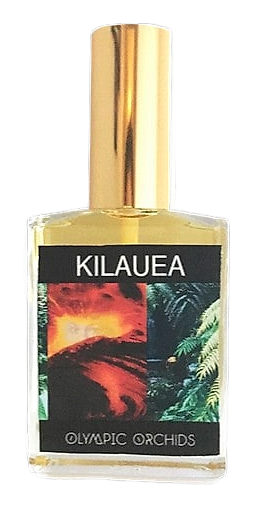
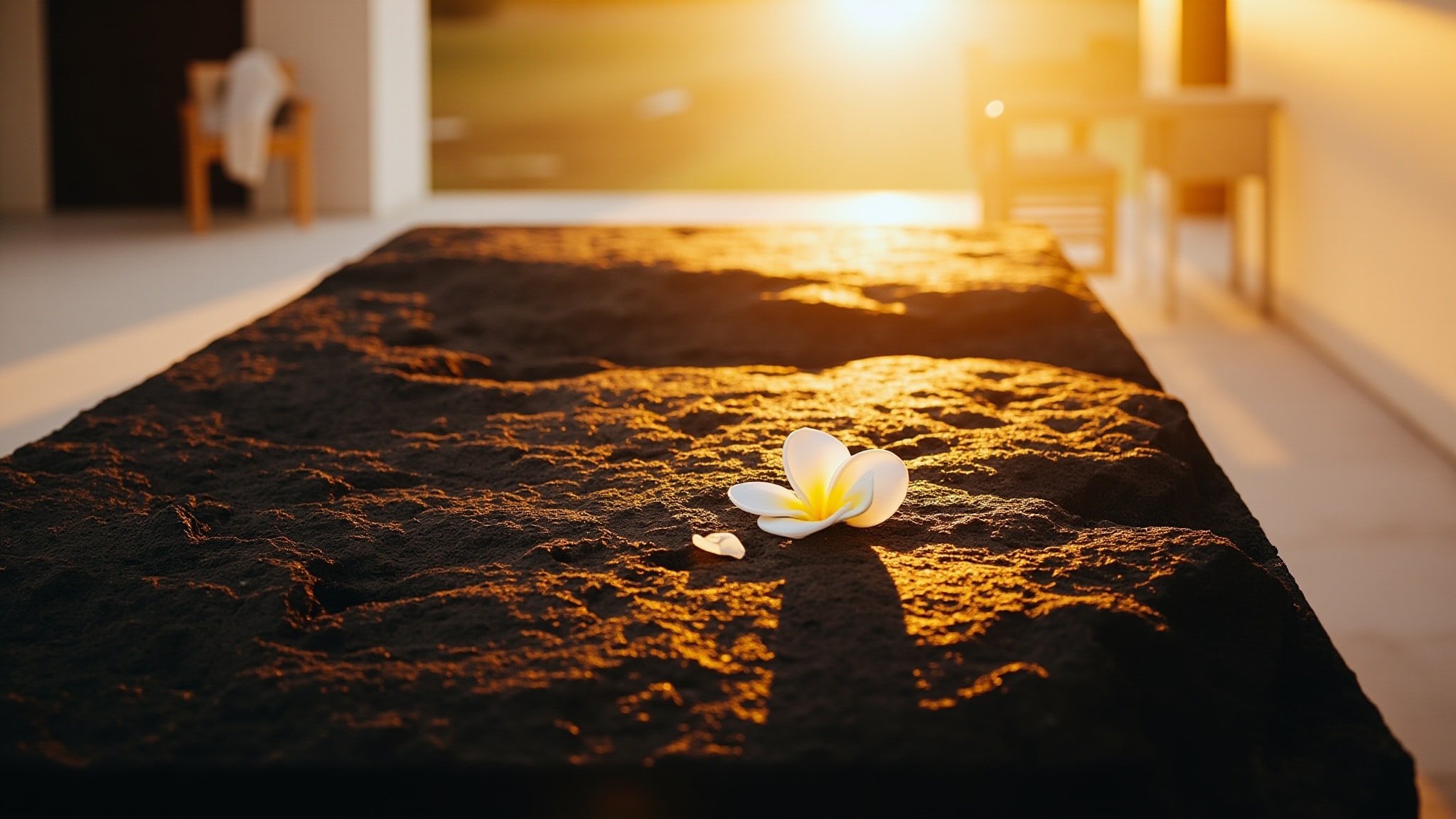
Kilauea takes its name from the most active volcano on Hawaii's Big Island, and more specifically from the 2018 eruption that reshaped the island's eastern rift zone for months. Dr. Ellen Covey, an Oregon-based botanist and the nose behind Olympic Orchids Artisan Perfumes, watched the coverage from the Pacific Northwest: fissures opening in quiet neighborhoods, lava rivers running to the ocean, tropical vegetation, pikake, plumeria, yellow ginger, blooming against a backdrop of vog so thick it crossed the island. The destruction was total. The contrast was stark. She wanted to bottle that tension, the mineral heat of hot rock meeting the soft persistence of tropical flowers reclaiming scorched earth. This is the fragrance she made from that image.
Lava as a note is unusual, and the implementation matters. It's not a literal volcanic accord, there's no way to distill molten rock. What Olympic Orchids captures is the mineral-ash quality, the hot-rock impression, the smell of unpredictability. The Kahili ginger (White Ginger Lily) is a deliberate choice: it's a Hawaiian flower that Dr. Covey grows alongside her orchids in Oregon, a botanical thread connecting two volcanic landscapes across the Pacific. Combined with frangipani and jasmine sambac, the floral heart is unapologetically tropical, but the mineral-smoky base keeps it from being sweet. This is floral-resinous, not floral-gourmand. The difference is everything.
The evolution
The opening hits mineral first, a sharp, slightly ashy bergamot that reads more volcanic than citrus. It doesn't announce itself so much as arrive. Within fifteen minutes the florals begin to dominate: frangipani's tropical cream, jasmine sambac's richness, and underneath it all a clean, green spice from the Kahili ginger that keeps the composition from becoming simply sweet. The benzoin arrives next, adding a vanilla-resinous warmth that softens everything. For the next few hours the fragrance is warm, slightly smoky, floral in a way that feels natural rather than constructed. By hour four the florals have receded and the base takes over: sandalwood, myrrh, and a lingering mineral-ash quality that sits close to the skin. The drydown is resinous, warm, and intimate, not the dramatic opening, but the payoff. What remains on unwashed skin the next morning is a faint, warm-resinous trace. Moderate sillage throughout means this is a fragrance for proximity, not performance.
Cultural impact
Kilauea occupies a specific corner of niche perfumery: the naturalist who finds spectacle in observation. It's not a statement fragrance or a crowd-pleaser, it's a composition for someone who reads the news about a Hawaiian volcano erupting and thinks, 'I want to smell that.' Olympic Orchids has built its catalogue around this kind of botanical curiosity, each fragrance is an argument for paying closer attention. Kilauea doesn't try to smell like lava or volcanic destruction literally. It translates the feeling of watching something immense and mineral reshape a tropical landscape, then waiting for the flowers to return.