White Ginger Lily
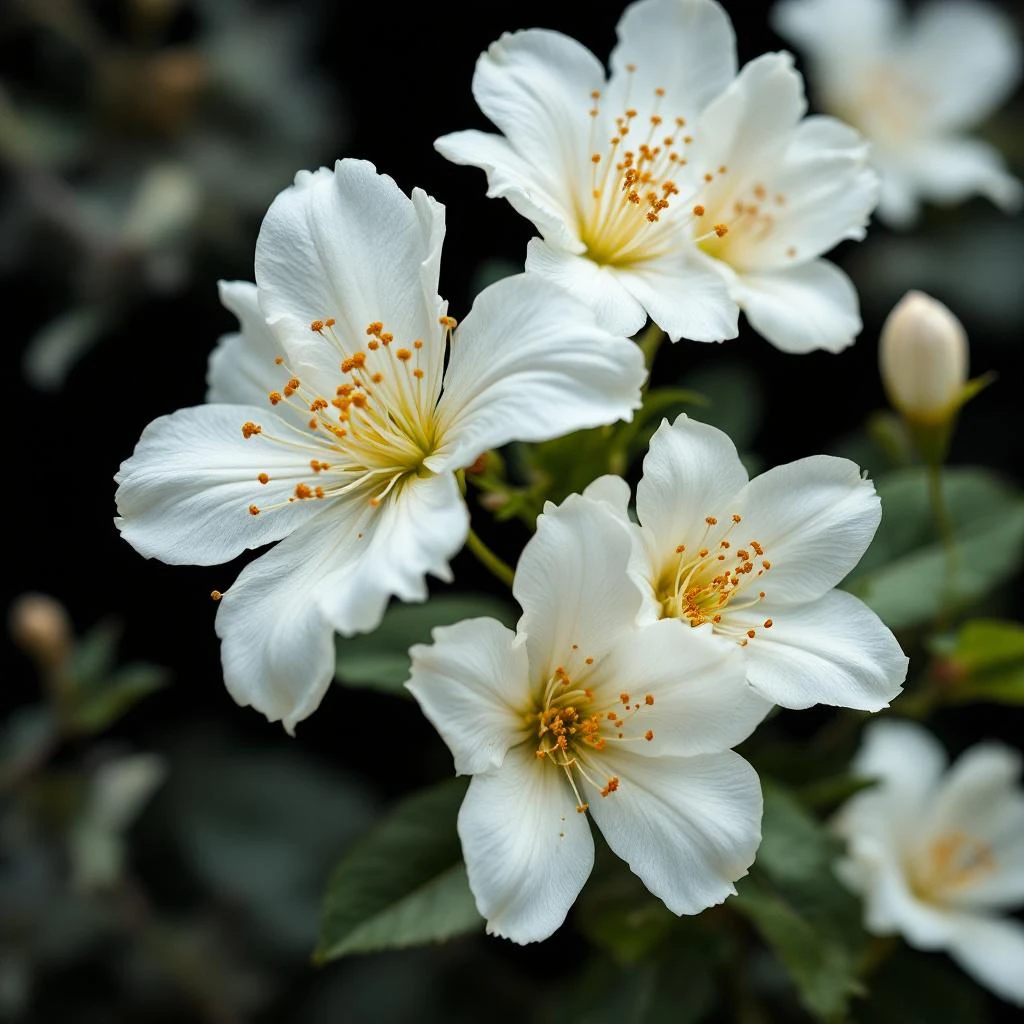
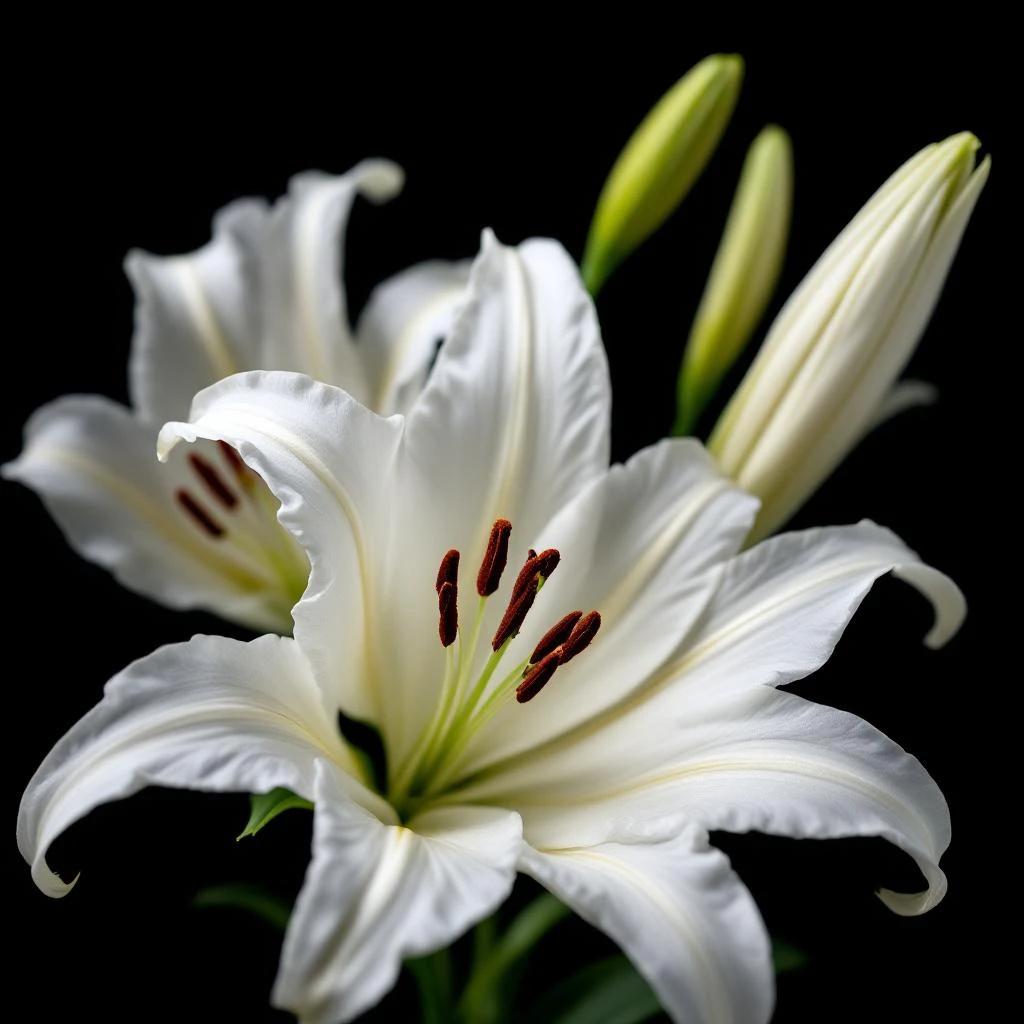
White Ginger Lily (Hedychium coronarium) is a nocturnal tropical flower prized for its intensely sweet, floral-spicy fragrance. Native to Southeast Asia and the Himalayas, it yields a rare essential oil and absolute used as a seductive heart note in fine perfumery. Hand-harvested at dawn when its aroma peaks, this ingredient remains one of perfumery's most elusive botanicals.
Character
How it smells
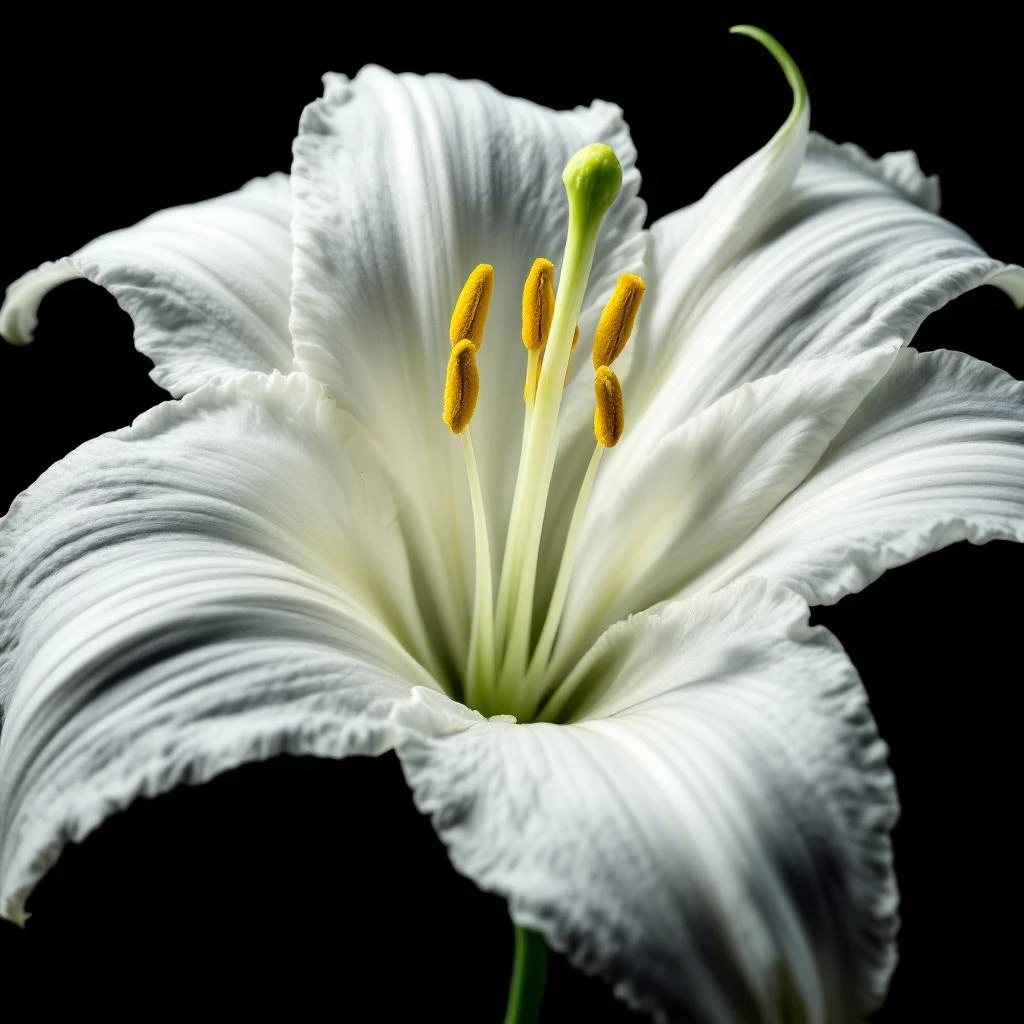
A nocturnal tropical bloom with sweet floral spice
Despite its name, White Ginger Lily is botanically unrelated to culinary ginger. It belongs to the Hedychium genus, while true ginger is Zingiber officinale.








Origin
India
White Ginger Lily, known botanically as Hedychium coronarium, carries deep roots in the perfumery traditions of India and Southeast Asia. For centuries, Indian classical perfumery revered this flower for its grounding, stabilizing qualities, incorporating it into traditional fragrance blends and sacred incense. The plant belongs to the Zingiberaceae family and traces its origins to the Himalayan foothills and tropical regions of Southeast Asia, with India and Nepal remaining its primary cultivation centers.
Despite sharing its common name with culinary ginger, Hedychium coronarium occupies its own botanical territory. In Hindu culture, the flower's garland-like appearance earned it the name Garland Lily, and its fragrance held spiritual significance in religious practices. The butterfly-shaped white blooms have symbolized purity and transformation across various Asian traditions.
Contemporary artisan perfumers continue sourcing this ingredient from small-scale farmers in rural India and Nepal, preserving traditional harvesting methods that honor both the plant and local livelihoods. Today, White Ginger Lily represents the rare intersection of ancient perfumery knowledge and modern natural fragrance demand.
Wears it best
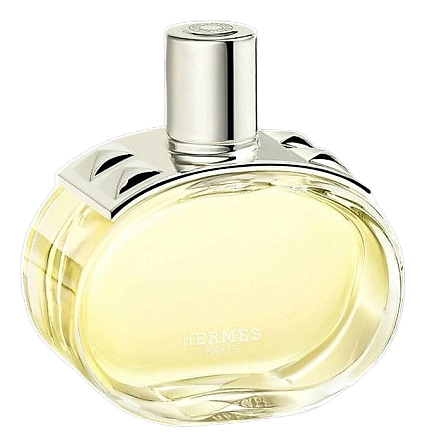
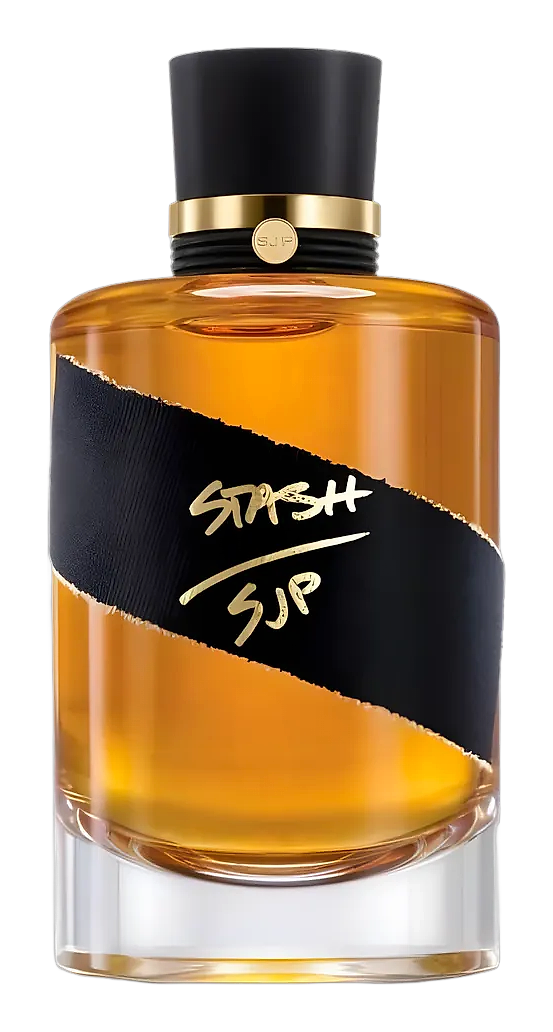
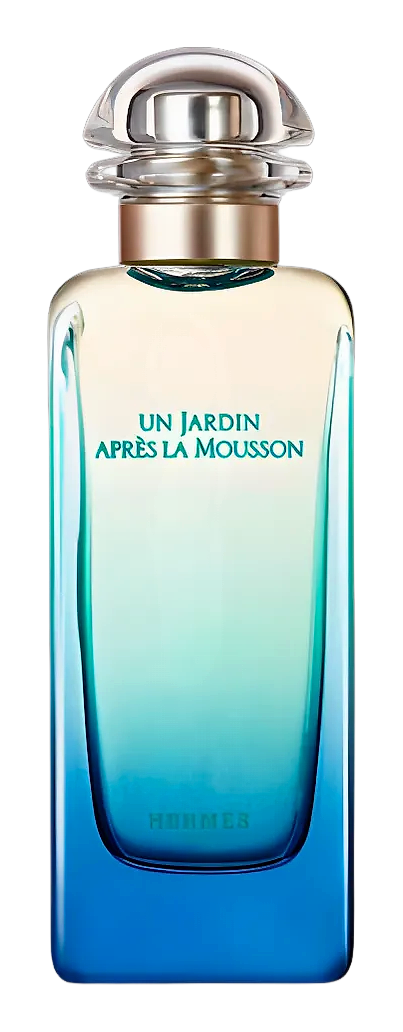
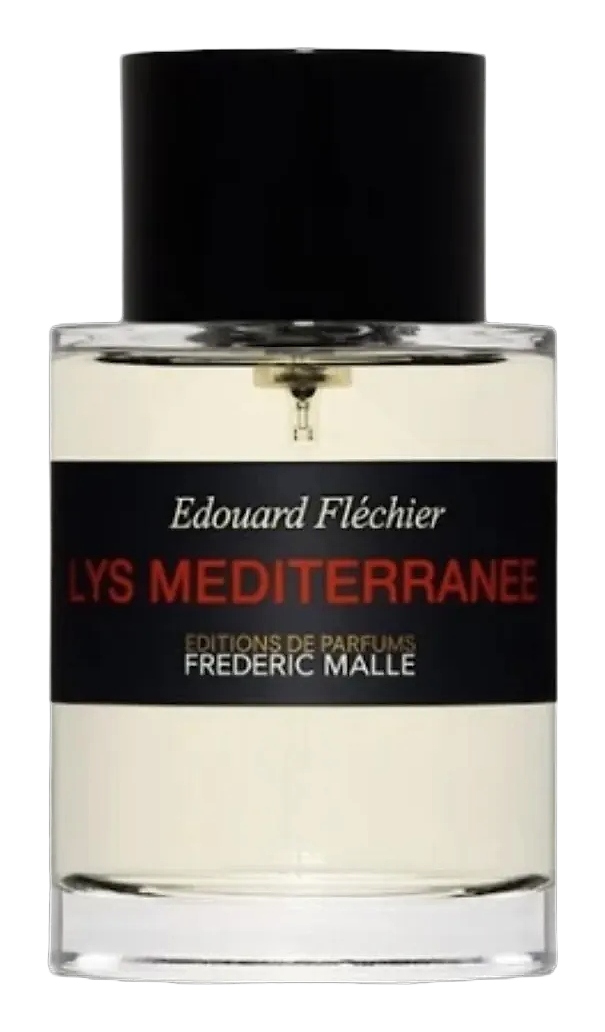
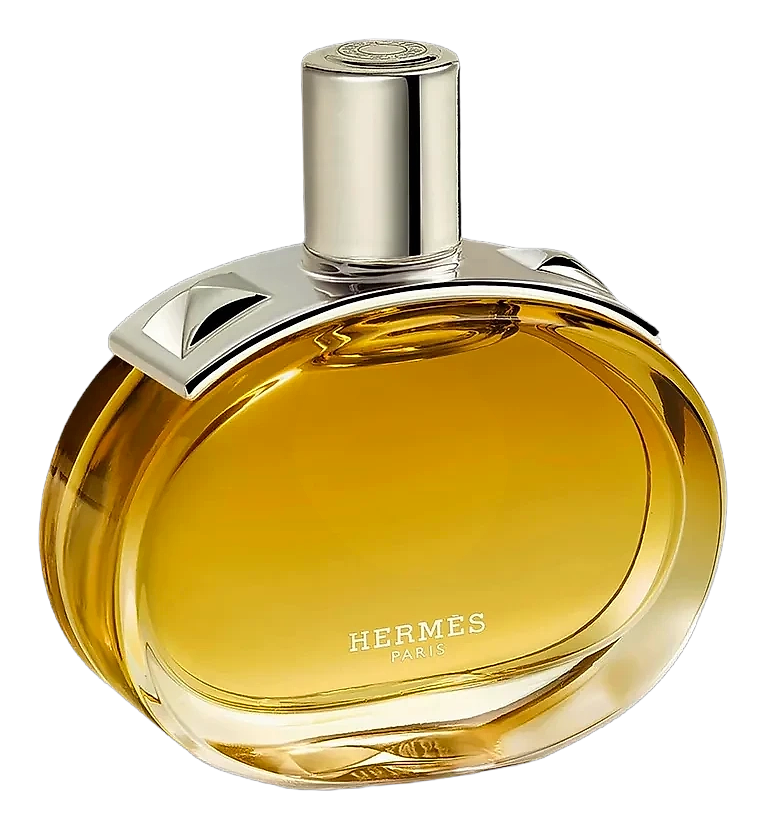
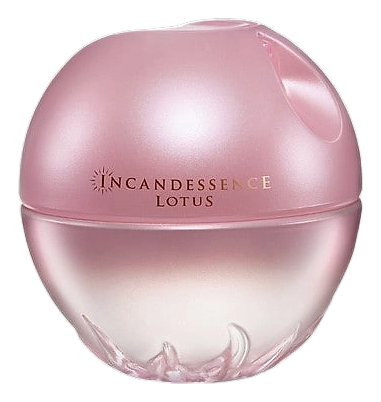
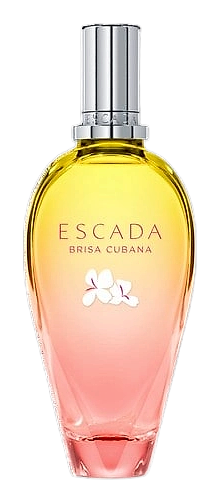
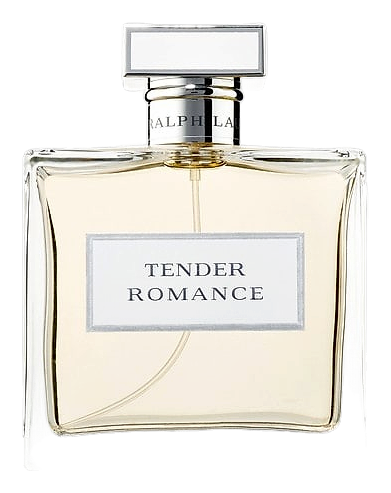
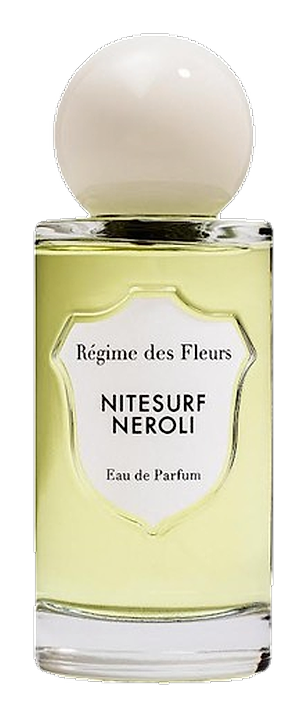
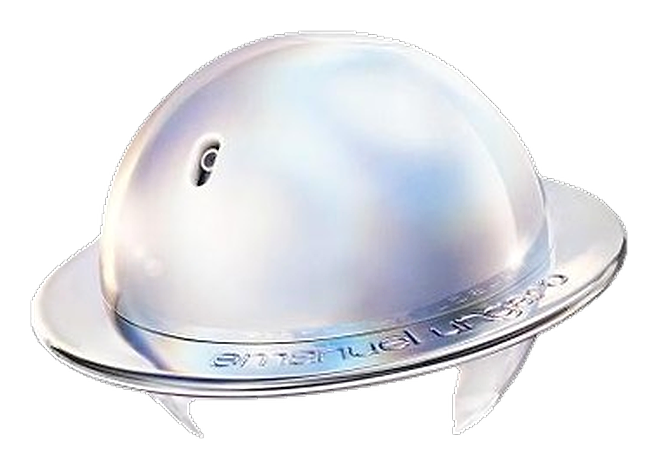
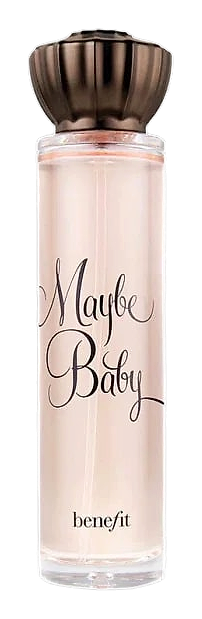
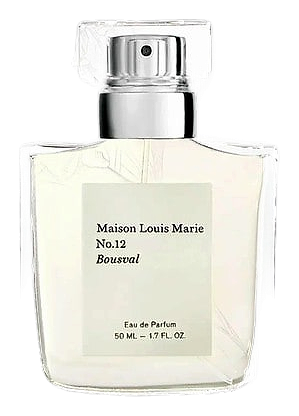
Fragrances featuring White Ginger Lily
Brands
Brands known for White Ginger Lily
Good to know
Questions, answered
The essentials on White Ginger Lily in perfumery: how it smells, where it comes from, and how it behaves on skin.
What is White Ginger Lily?
Hedychium coronarium is a tropical flowering plant native to Southeast Asia and the Himalayas. Despite its common name, it is botanically unrelated to culinary ginger, belonging instead to the Zingiberaceae family. Its fragrant white flowers are harvested for perfumery, yielding rare essential oil and absolute with a distinctively sweet, floral-spicy character.
What does White Ginger Lily smell like?
White Ginger Lily offers an intensely sweet floral scent with spicy and fruity undertones. The fragrance evokes tuberose and gardenia with warm ginger-like and slightly woody nuances. This complex profile combines sweetness with depth, making it a distinctive heart note that adds both sensuality and exotic character to fragrance compositions.
How is White Ginger Lily oil extracted?
Producers extract White Ginger Lily primarily through steam distillation or solvent extraction. Steam distillation yields a pale yellow essential oil at extremely low concentrations of 0.02-0.05%. Solvent extraction produces an absolute with a richer, more complete aromatic profile. Both methods require significant quantities of freshly harvested flowers to yield minimal amounts of usable material.
Where does White Ginger Lily grow?
The plant thrives across Southeast Asia, the Indian subcontinent, Nepal, and the Himalayan foothills. Northeast India and Nepal represent the primary production regions. Flowers are handpicked at night or early morning when fragrance peaks. The narrow harvest window and artisanal production methods contribute significantly to the ingredient's rarity and value.
Why is White Ginger Lily oil so rare?
Extremely low oil yields of 0.02-0.05% make this ingredient scarce. Each batch requires hundreds of kilograms of hand-harvested flowers, with harvesters working only during brief nocturnal or dawn windows. The combination of labor-intensive collection, minimal yield, and limited cultivation regions means genuine White Ginger Lily oil remains difficult to source commercially.
What role does White Ginger Lily play in perfumery?
Perfumers employ White Ginger Lily primarily as a heart note that adds sensuality, depth, and exotic character to compositions. Its warm, woody, spicy floral profile complements tropical florals, orientals, and spicy blends. Additionally, the ingredient acts as a natural fixative, helping stabilize more volatile fragrance elements and extend scent longevity on skin.
Is White Ginger Lily related to culinary ginger?
Only distantly, despite sharing part of its common name. White Ginger Lily belongs to the Hedychium genus while true culinary ginger is Zingiber officinale. Both sit within the broader Zingiberaceae family, explaining similar botanical classification and some shared aromatic characteristics, particularly the ginger-like undertones present in the flower.
What are the traditional uses of White Ginger Lily?
Indian classical perfumery has used White Ginger Lily for centuries, where it was revered for grounding, stabilizing qualities in traditional scent compositions. Ayurvedic practices employed it for mood enhancement and mental clarity. Beyond perfumery, the flower appears in aromatherapy blends, high-end skincare products, and ceremonial incense across South and Southeast Asian traditions.